Choosing the right Shower Curtain can change how a bathroom feels, functions, and stays clean. It is not merely a decorative sheet. It manages splashes, protects flooring, and influences daily maintenance. Small details matter here.
The U.S. Environmental Protection Agency’s WaterSense program reports that showering represents nearly 17% of residential indoor water use. A typical family may use about 40 gallons daily through showers. That water creates constant humidity, droplets, and damp fabric. A curtain that dries slowly can develop unpleasant odors or encourage mildew. The EPA’s moisture-control guidance therefore supports better ventilation, quick drying, and materials that resist persistent dampness.
Still, selecting one is rarely simple. A thin polyester curtain may dry quickly, while a heavier fabric may look more luxurious. Vinyl can provide a strong water barrier, but some buyers dislike its plastic feel. The best choice depends on airflow, washing habits, tub width, liner design, and household priorities. There is no perfect curtain.
This guide explores ten practical tips for choosing the best Shower Curtain. It considers dimensions, fabric weight, water resistance, odor, cleaning, privacy, installation, and environmental claims. It also explains how certifications and manufacturer instructions can improve buying confidence. The Global Organic Textile Standard, for example, sets requirements for certified textile processing, but certification names still deserve careful checking.
Look closely. Measure twice.
A bathroom with weak ventilation may need a fast-drying curtain more than an expensive pattern. A busy household may value machine washing above appearance. These are easy points to overlook. Use the following advice to balance comfort, durability, hygiene, and realistic maintenance before making a purchase.
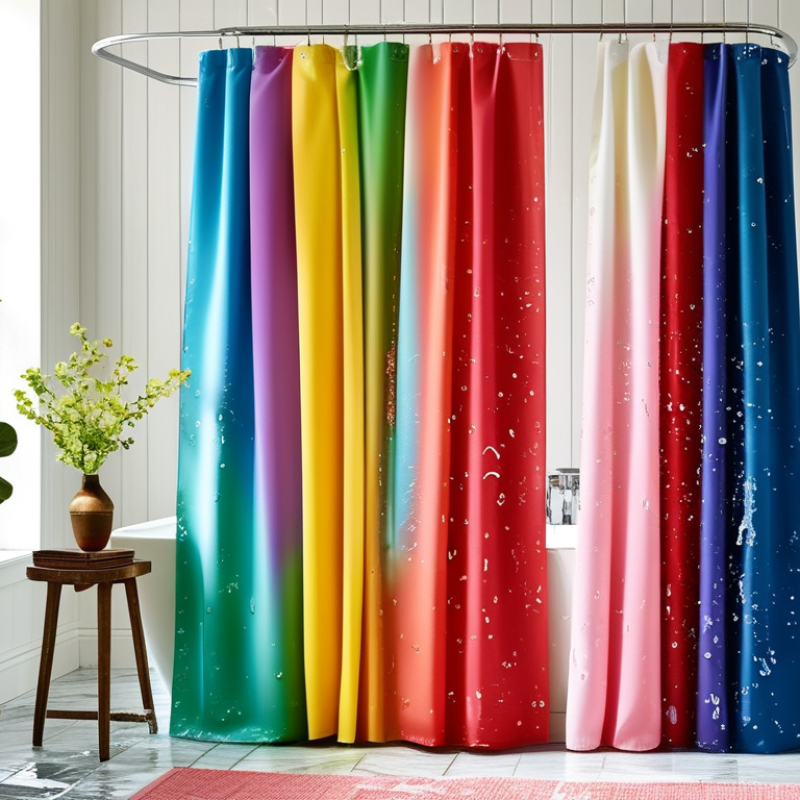
Before choosing a shower curtain, measure the finished shower area, not the rough wall opening. Record the width, height, rod position, and tub ledge depth. A common 60-inch bathtub usually needs a 72-inch-wide curtain. That extra width creates useful folds and reduces water escape. For a narrow shower, measure the opening and add 12 to 24 inches for overlap and fullness. Do not guess.
The 2024 International Residential Code lists 30 by 30 inches as a minimum shower compartment size, with 900 square inches of floor area. Your curtain should protect that space without blocking movement. Standard curtains often measure 72 by 72 inches, but an 84-inch length may suit a higher rod. Keep the bottom close to the tub or floor. Around 1 to 2 inches of clearance helps prevent dragging and mildew.
I once measured from the ceiling.
That was wrong.
Use the rod’s actual height instead. The National Kitchen & Bath Association’s 2024 Bathroom Design Trends Report emphasizes careful spatial planning for shower upgrades. A curtain that looks generous online may feel cramped in a compact bathroom. Consider door swings, windows, shelves, and towel bars. I would also recheck measurements after installing the rod, because walls are rarely perfectly level. A slightly imperfect fit is better than a curtain that touches the floor or leaves a wet gap.

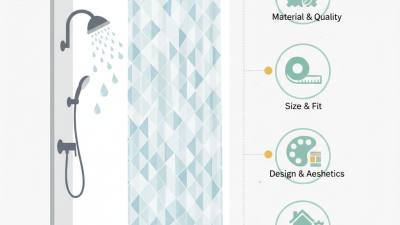
Common shower curtain sizes are shown in inches. Measure the shower opening first, then choose a curtain that is at least as wide as the opening; additional width helps create fuller folds and improves water coverage. Standard lengths are commonly 72 inches, while 84-inch curtains are useful for taller installations.
Material affects how long a shower curtain stays clean, flexible, and attractive. In my experience, tightly woven polyester handles daily moisture well. It dries faster than cotton and usually resists shrinking. A polyester curtain also tolerates regular machine washing, which helps remove soap residue and mildew-prone buildup.
Vinyl and PEVA curtains repel water effectively, so they work well in bathrooms with limited ventilation. However, they can become brittle when exposed to strong heat or harsh cleaners. Check the care instructions before wiping them down. Warm water and mild soap are often enough. Avoid abrasive pads. They may damage the surface and create rough areas that collect grime.
Cotton feels softer and gives a bathroom a warmer appearance. Still, it absorbs water and needs more careful drying. Leave space between the curtain and the wall after showering. Good airflow matters. I once bought a beautiful cotton curtain without checking its washing instructions, and it lost shape after one cycle. That mistake changed my selection process. Now I check fabric density, washable construction, reinforced holes, and drying requirements. A weighted hem can reduce movement, but it does not solve poor ventilation. If the room stays damp, choose a quick-drying material and wash it regularly. Small details matter.
Compare Water Resistance, Privacy, and Light-Filtering Properties
A good shower curtain should control water, not merely decorate the bathroom. Check the fabric label for water-resistant treatment and washable construction. Water-resistant material sheds droplets, while waterproof liners provide stronger protection. I usually inspect the lower edge first. A weighted hem can reduce movement and keep water inside the tub. Measure the opening carefully, then add a few inches for fuller coverage. A curtain that is too narrow may leave a frustrating gap.
Privacy depends on weave, color, and bathroom lighting. Dense polyester often hides silhouettes better than thin, loosely woven fabric. Hold the curtain near a window before buying. Can you see shapes through it? That simple test helps. Darker colors may improve privacy but can make a small bathroom feel enclosed. Light-filtering curtains create a softer atmosphere, especially beside frosted glass. However, filtering light is not the same as providing privacy. At night, interior lighting may reveal more than expected.
Consider drying speed, mildew resistance, and maintenance instructions. A quick-drying curtain is useful when several people shower daily. Leave space between the curtain and the wall so air can circulate. I once chose an attractive curtain with poor ventilation, and its lower edge stayed damp. That mistake changed my buying habits. Strong eyelets and reinforced seams also matter because daily pulling creates stress. No curtain solves every problem. Balance water control, privacy, and natural light for your specific bathroom.
10 Shower Curtain Tips for Choosing the Best One
Select a Style That Complements Your Bathroom Design
A shower curtain should support your bathroom’s existing design, not compete with it. Study the tile, wall color, flooring, and metal finishes before choosing a pattern. In a calm bathroom, a soft stripe or small geometric print can add interest without creating visual noise. In a plain space, a richer color may provide needed warmth. Keep it balanced.
Tip: Match the curtain’s mood to the room. Use light linen textures for a relaxed bathroom, or smooth fabric for a cleaner, modern appearance. I once chose a dramatic pattern for a small bathroom, and it made the room feel narrower. The curtain looked attractive alone, but not in context.
Check the curtain’s proportions carefully. Measure the rod, shower opening, and desired length before shopping. A curtain that is too short can expose the liner, while an oversized one may bunch heavily against the floor. Consider how daylight changes the room, too. Bright colors can look stronger near a sunny window.
Tip: Coordinate, but do not copy. Repeat one bathroom color in the curtain, then introduce a slightly different tone. This creates connection without making every surface identical. I still prefer testing fabric samples at home, because online colors can be misleading. Small details matter.
Installation affects daily comfort more than shoppers expect. Measure the rod, tub width, and ceiling height before buying. A curtain should overlap the tub edge by several inches. This reduces floor splashes and keeps the liner from drifting inward. Choose reinforced holes, rust-resistant rings, and a weighted hem. These small details matter.
A practical test is simple. Pull the curtain open and closed with one hand. It should glide without snagging or bending the rod. The Houzz 2024 U.S. Bathroom Trends Study surveyed more than 1,300 homeowners and reported continued interest in upgraded shower spaces. That suggests installation hardware deserves attention, not just fabric appearance. Still, a stylish curtain cannot fix a poorly placed rod. I have seen attractive options fail because the hem floated above the tub.
Care requirements determine long-term value. The U.S. Environmental Protection Agency recommends keeping indoor humidity below 60%, ideally between 30% and 50%, to limit mold growth. Choose washable fabric, quick-drying materials, and clear care instructions. Wash the liner regularly, spread it fully after use, and inspect the bottom seam for mildew. Some delicate fabrics look premium but demand inconvenient care. That is easy to overlook. Compare the purchase price with replacement frequency, cleaning time, hardware quality, and water resistance. The cheapest curtain may become expensive after repeated replacements. A perfect choice rarely exists. The best one fits your bathroom, routine, and willingness to maintain it.