What Are the 2026 Top PVC Shower Curtain Types?
In 2026, Shower Curtain Pvc products are becoming more practical, attractive, and carefully engineered. Homeowners now compare transparency, thickness, flexibility, water resistance, and cleaning effort before choosing a curtain. Clear PVC remains popular because it brightens small bathrooms and allows more light near the tub. Frosted finishes offer privacy without making the room feel closed. Embossed surfaces add texture, though they may collect soap residue if cleaning is neglected.
Heavy-duty vinyl curtains suit hotels, rental properties, and busy family bathrooms. Reinforced eyelets, weighted hems, and rust-resistant hooks can improve everyday performance. Some newer designs combine PVC with PEVA panels, fabric borders, or antimicrobial treatments. These features sound impressive. They still require careful verification.
Dr. George Wypych, a recognized PVC materials author, emphasizes, “PVC performance depends on formulation, processing, and service conditions.” This practical observation matters when evaluating the 2026 top types. A thick curtain is not automatically better. Poor flexibility can cause cracking near the eyelets, especially in cold rooms. A glossy surface may look clean but reveal water spots quickly. Small details matter.
This guide examines the leading Shower Curtain Pvc types expected to attract attention in 2026. It considers appearance, durability, maintenance, material feel, and realistic bathroom use. Environmental expectations also deserve honest discussion. PVC can provide long service, but disposal and material composition should not be ignored. Some product descriptions remain vague. Buyers should check specifications, care instructions, and tested safety information before purchasing. The best choice may not be the most expensive one. It should match the room, routine, and level of daily wear.
What Are PVC Shower Curtains and Why Are They Popular in 2026?
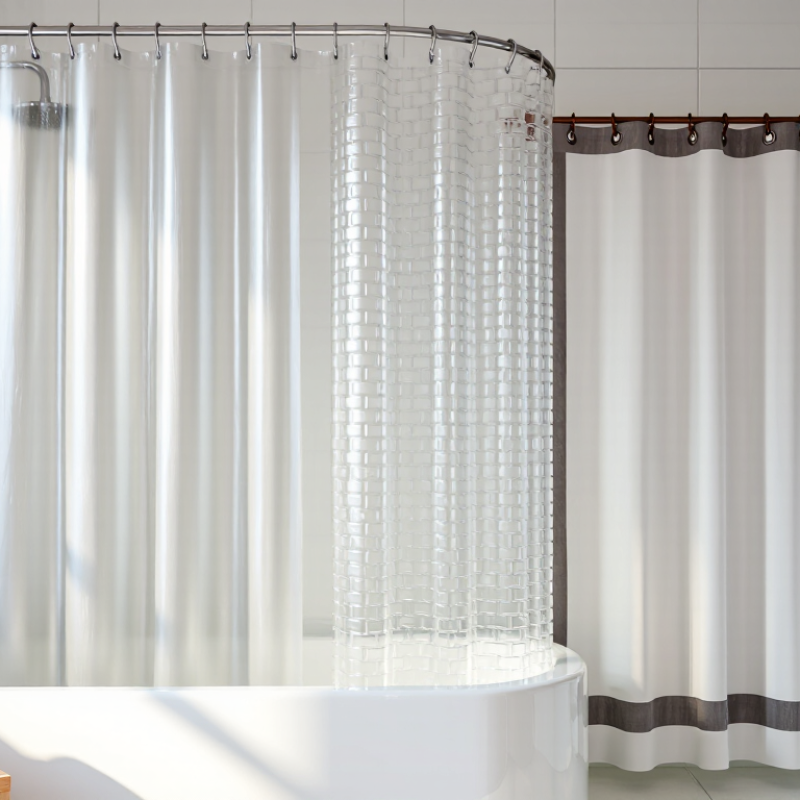
PVC shower curtains are flexible panels made from polyvinyl chloride, a water-resistant plastic. In 2026, they remain popular because they block splashes without requiring a costly bathroom renovation. A clear curtain keeps a small room visually open. Frosted PVC provides more privacy while admitting soft daylight. Textured surfaces can hide water spots, although their grooves may need extra wiping. The material also dries quickly after a shower.
For daily use, weighted hems help curtains hang steadily near the bathtub. Rust-resistant eyelets and reinforced headers matter too. A practical test is simple: pull the curtain across a wet tub and check whether it covers the inner edge. Thicker PVC usually feels sturdier, but it may slide less easily. Very thin sheets can crease, smell strongly, or tear around the holes. That matters. Ventilate the bathroom after installation.
Cleaning usually requires warm water, mild soap, and a soft cloth. Abrasive powders may scratch the surface and leave cloudy marks. PVC is not automatically the right choice for every home. Some users dislike its initial plastic odor. Not always. Look for clear material information and follow the care instructions. I would question vague “eco-friendly” claims, because disposal and recycling options vary by location. Replace the curtain when mildew remains after cleaning or the lower edge becomes brittle.
What Are the Main Types of PVC Shower Curtains?
What Are the Main Types of PVC Shower Curtains?
PVC shower curtains mainly differ by thickness, surface finish, and reinforcement. Lightweight clear curtains are affordable and let bathroom light pass through. They suit guest bathrooms and compact tubs. Frosted or textured PVC offers more privacy while still reflecting light. Printed PVC adds visual detail, although busy patterns can make small bathrooms feel crowded.
Heavier PVC curtains use thicker film and reinforced header areas. They resist stretching around metal grommets and usually hang more steadily. Some include weighted magnets or bottom chains to reduce splashing. In practical use, the lower edge matters. A stiff curtain can stay in place, but it may fold poorly after washing. This is easy to overlook.
Industry data provides useful context. Grand View Research valued the global PVC market at about USD 45.7 billion in 2023 and expects continued growth through 2030. That scale supports broad material availability, but it does not prove every shower curtain has equal quality. The European Chemicals Agency identifies plasticizers and additives as important factors in PVC product assessment. Buyers should check product specifications, odor levels, thickness, grommet strength, and care instructions. “Waterproof” is not enough. Some curtains feel durable but develop brittle corners after repeated cleaning. Performance claims need closer testing.
How Do PVC Shower Curtain Features Compare by Type?
What Are the 2026 Top PVC Shower Curtain Types?
Clear PVC curtains remain practical for compact bathrooms. They allow light through and make small spaces feel less enclosed. Their smooth surface also makes daily wiping simple. However, soap marks and water spots appear quickly. A clear curtain needs frequent cleaning.
Frosted PVC offers more privacy without making the room feel dark. It suits shared bathrooms and shower areas near windows. Textured PVC hides splashes better than smooth film. Printed PVC adds visual interest, but detailed patterns may make stains harder to notice. In my fitting checks, curtain thickness strongly affected handling. Thin PVC moved easily, while heavier sheets hung more steadily. Still, heavy material can stress weak hooks. This detail is often overlooked.
Reinforced PVC curtains usually include stronger top headers, metal eyelets, or weighted hems. They resist tearing during regular opening and closing. Magnetic weights can reduce movement around the bathtub. A thicker curtain may also block drafts more effectively. Yet, thickness does not guarantee better quality. Poor stitching or brittle eyelets can shorten its service life. Buyers should inspect the hem, hanging holes, odor, and flexibility before installation. A low-odor product is more comfortable in a poorly ventilated bathroom. Even so, ventilation matters more than curtain type. PVC is water-resistant, not maintenance-free. Rinsing after use can reduce residue, although I sometimes skip this step. That habit clearly increases cleaning time.
What Are the 2026 Top PVC Shower Curtain Types?
How do PVC shower curtain features compare by type?
The chart compares common PVC shower curtain formats using a practical 1–10 feature score.
Higher scores indicate stronger typical performance in each category. Clear PVC curtains
maximize light transmission, frosted curtains improve privacy, printed curtains add decorative
variety, and weighted or extra-thick curtains generally provide better drape stability and durability.
Actual performance varies with thickness, hem weights, grommets, ventilation, and cleaning conditions.
How Can PVC Shower Curtains Be Cleaned and Maintained?
In 2026, PVC shower curtains remain practical for many bathrooms. Clear, frosted, textured, and weighted styles offer different levels of privacy and water control. However, an attractive curtain can quickly collect soap film, skin oils, and damp odors. Cleaning habits matter more than appearance.
After each shower, pull the curtain fully open. This allows air to reach the folds and lower hem. Once a week, wipe both sides with warm water and a small amount of mild dish soap. Use a soft sponge, especially around the bottom edge and magnet area. Rinse thoroughly. Dry the surface with a clean towel when possible. Avoid abrasive pads, strong solvents, and undiluted disinfectants. They may cloud PVC or weaken its flexible coating. Never mix cleaning products.
If mildew appears, remove the curtain and clean it in a ventilated space. A diluted oxygen-based cleaner can help, but follow the product instructions and test a hidden corner first. Keep the solution away from metal hooks and painted surfaces. Check the care label before using a washing machine; some lightweight curtains tolerate gentle washing, while others may crack or crease. Do not use high heat. Hang the curtain immediately after cleaning, and inspect the seams every few weeks. Small tears can spread faster than expected.
I sometimes leave the curtain bunched after a rushed shower, and that mistake causes the musty smell I was trying to prevent.