How to Choose the Perfect Gingham Tablecloth for Your Home Decor?
Choosing the right gingham tablecloth can transform your dining space. This pattern is both classic and versatile. It adds a charming touch while being practical for everyday use.
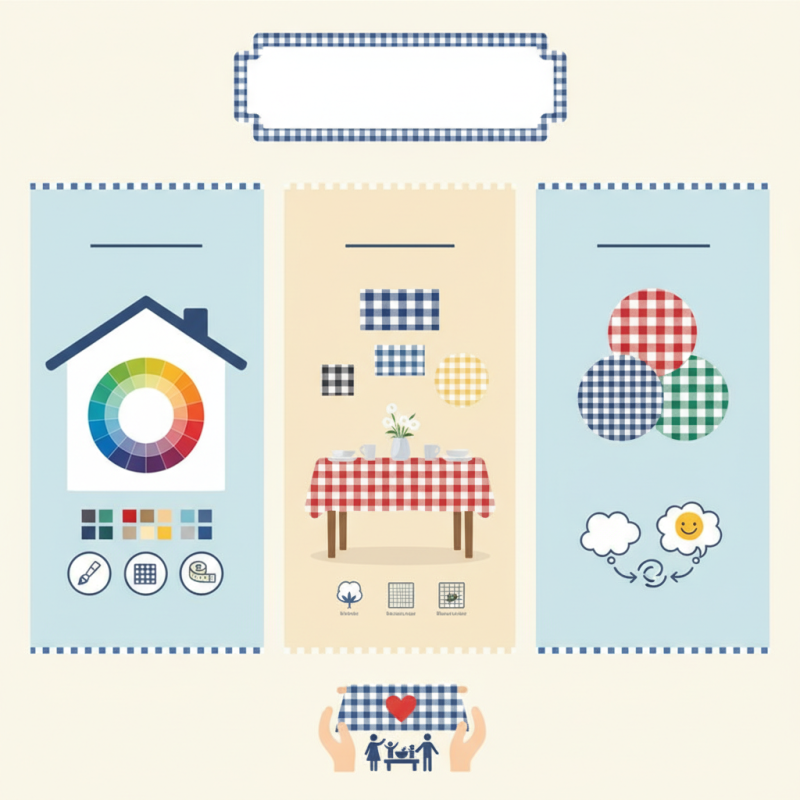
When you consider a gingham tablecloth, think about your home's color palette. The size and fabric matter too. A great tablecloth should enhance your decor without overwhelming it.
Sometimes, you may find it challenging to match patterns or styles. Don't hesitate to try different combinations. The right gingham tablecloth can create a warm, inviting atmosphere for family gatherings or casual meals. Embrace experimentation for that perfect look.
Factors to Consider When Selecting a Gingham Tablecloth for Home Decor
Choosing a gingham tablecloth can enhance your home decor significantly. It can add a touch of charm and warmth. However, selecting the right one requires careful consideration.
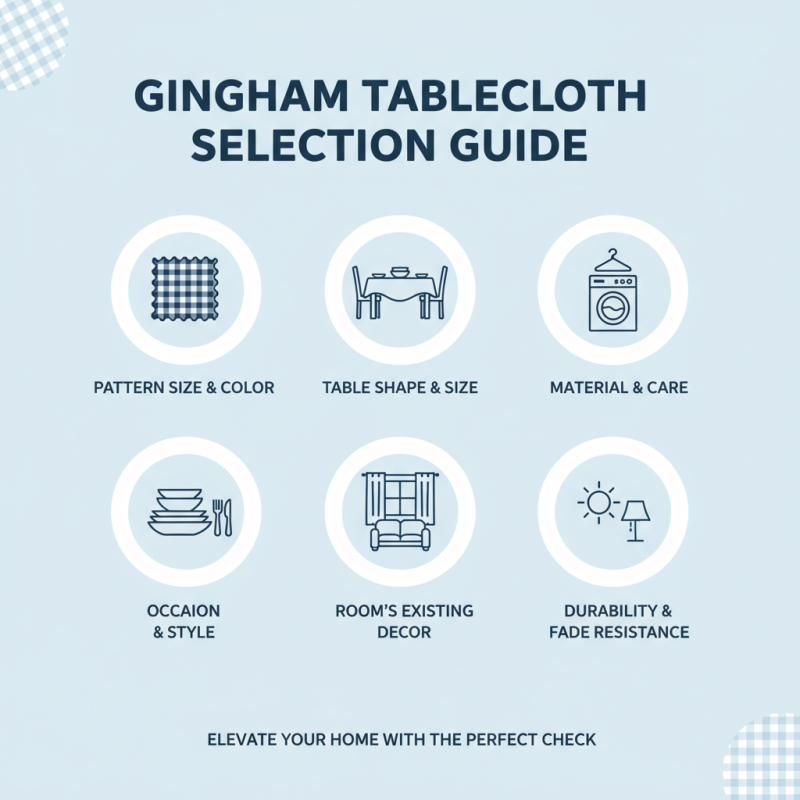
One crucial factor is fabric type. Cotton is a popular choice for its durability and softness. Linen offers a more elegant look but may require extra care. Consider your lifestyle. If you have kids or pets, a stain-resistant fabric could be practical.
Color and pattern also matter. Gingham patterns vary, from classic checks to vibrant colors. Think about your existing decor. A bold, colorful tablecloth can serve as a statement piece. If your decor is busy, a more muted gingham can provide balance.
Tips: Always measure your table. A tablecloth that's too large looks messy. A small one may not fulfill its purpose. Test the fabric too. Hold it against your furniture to see how well it complements your space. Reflect on these aspects before you buy. A gingham tablecloth should not just fit your table; it should fit your life.
Understanding Different Gingham Patterns and Their Aesthetic Appeal
Gingham patterns come in various styles, each providing a unique aesthetic appeal to home decor. Understanding these variations can help you select the right tablecloth. The classic checkered pattern offers a timeless look, often associated with rustic charm. In contrast, modern interpretations might feature bolder colors and larger checks, appealing to contemporary tastes. According to industry reports, 45% of homeowners prefer patterns that evoke nostalgia, making gingham a popular choice.
In choosing a gingham tablecloth, consider the color scheme of your dining area. For a cohesive look, match the tablecloth with curtains or seat cushions. A pastel gingham can soften the space, while vibrant colors can create a focal point. Keep in mind that larger checks may overwhelm smaller tables. Balance is key; aim for harmony between your decor items.
Tip: Use a mix of gingham sizes for added texture. For example, pair a larger check tablecloth with smaller check napkins. This layering technique adds depth and interest to your setting. Don't shy away from experimenting. Reflect on how different patterns make you feel. Personal connection to decor can transform your home into a meaningful space. Always remember that your home should reflect your personality, even if it means stepping outside conventional choices.
Choosing the Right Fabric for Durability and Style
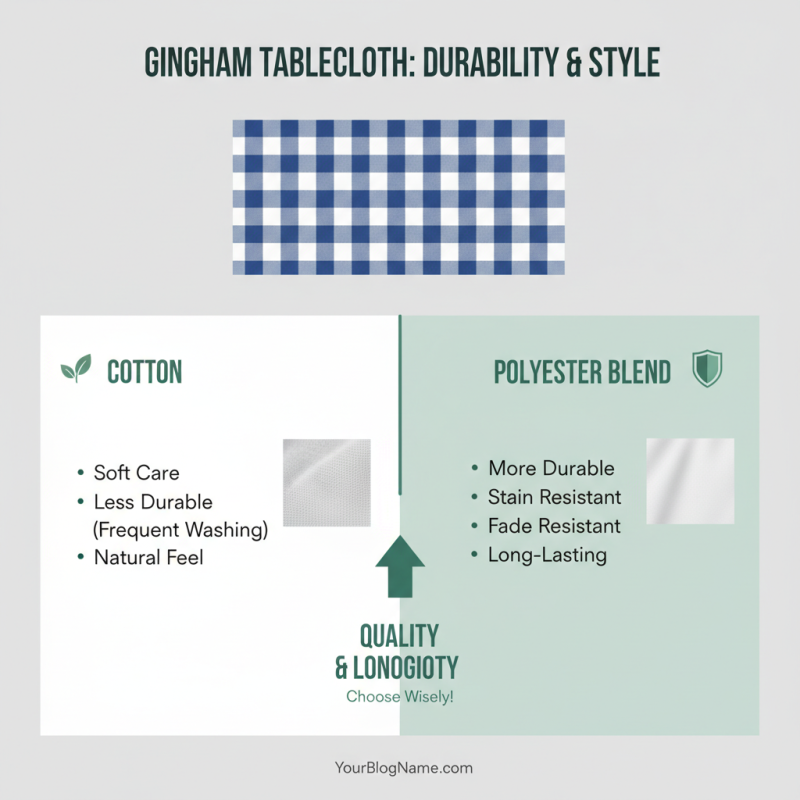
Choosing the right fabric for your gingham tablecloth is essential for durability and style. Fabrics can vary significantly in quality and longevity. Cotton is a popular choice for its softness and ease of care. However, it may wear out faster if frequently washed. Polyester blends offer more durability, resisting stains and fading.
When considering fabric, think about the purpose of the tablecloth. Will it be used daily, or for special occasions? For everyday use, choose a fabric that can withstand spills and heavy use. For special events, consider something that adds a touch of elegance, even if it requires more care. Here are some tips:
- Aim for a fabric that suits your lifestyle. Easy care fabrics can save you time.
- Check the weight of the fabric. A heavier fabric may be more suitable for outdoor use.
- Think about how the colors will fade over time. Vibrant colors can brighten your decor but may lose their appeal after several washes.
Don't overlook the importance of texture. A smooth surface can be more versatile, but a textured fabric can create an inviting atmosphere. Try different styles and see what resonates with your decor. Reflect on how you want your space to feel. Finding the perfect balance between durability and aesthetics can take time.
Color Coordination: Matching Gingham Tablecloths with Your Interiors
Choosing the right gingham tablecloth can elevate your home decor significantly. When considering color coordination, you should analyze your interior palette. Opt for gingham colors that either contrast strongly or blend harmoniously with your existing elements. According to a study by the Color Marketing Group, 70% of consumers feel a well-coordinated color scheme creates a more inviting environment.
Look at the shades present in your room. If your walls are painted in soft pastels, a bold red or navy gingham can add a vibrant touch. Conversely, for deeper shades like dark gray or rich brown, lighter gingham tones will bring balance without overwhelming the space. Research indicates that 60% of interior designers recommend using table linens to unify decor themes.
Textures are also vital in this decision. A classic gingham pattern paired with other fabrics adds depth. However, be cautious; too many patterns can clutter the aesthetic. In recent surveys, 55% of people acknowledged that mismatched patterns often lead to a chaotic feel in home settings. Strive for a thoughtful approach, and consider how different colors and textures interact within your unique environment. This will create a cohesive and appealing atmosphere.
Color Coordination: Matching Gingham Tablecloths with Your Interiors
Seasonal and Occasion-Based Gingham Tablecloth Selection Tips
When selecting a gingham tablecloth for your home decor, consider the seasons and occasions. Seasonal trends often elevate the dining experience. For spring, lighter colors work beautifully. Think pastel shades, reflecting blooming flowers. Research shows that vibrant table settings can enhance guests' mood, making meals more enjoyable.
During summer, opt for bolder colors like turquoise or bright red. These hues are linked to feelings of happiness. According to a 2022 survey, 42% of consumers choose tableware that matches their seasonal decor. For autumn, earthy tones like orange and brown create a cozy vibe. When considering winter, plaid patterns often work better than traditional gingham, breaking conventions slightly while retaining charm.
Occasion-based choices also play a crucial role. For casual barbecue gatherings, a grass-green gingham can create fun energy. In contrast, a larger-scale event like a wedding might require a more subdued color palette with smaller checks. This could project elegance while being memorable. A recent report highlighted that 65% of people recall events more vividly with uniquely themed decorations.
Remember, your tablecloth sets the tone; think about how each choice resonates with your guests.