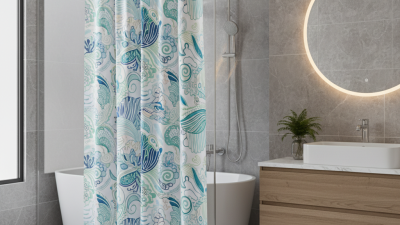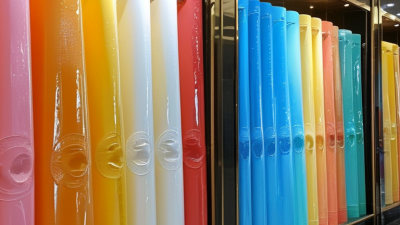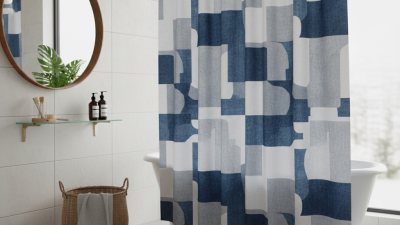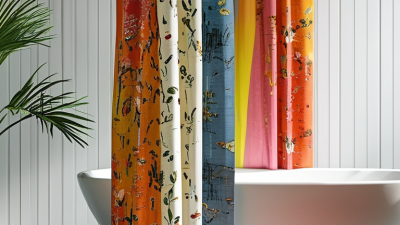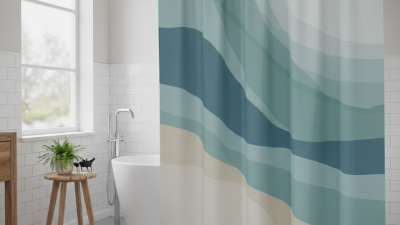
Choosing the right Vinyl Shower Curtain can make a small bathroom feel cleaner, brighter, and easier to maintain. However, appearance alone should not guide the decision. A curtain that looks attractive online may feel stiff, smell strongly, or allow water to escape near the tub.
In my experience, practical details matter most. Check the curtain’s thickness, reinforced header, rust-resistant grommets, and weighted hem. A transparent design can spread light through a dark bathroom, while a frosted finish offers more privacy. Measure the shower opening carefully before ordering. Even a few extra inches can cause bunching and poor coverage.
Small details matter.
Material quality also affects long-term value. Look for clear product information, washable surfaces, and manufacturer guidance about ventilation and care. A reputable seller should explain dimensions, material composition, and return policies without vague claims. Although vinyl is water-resistant, it is not maintenance-free. Wipe the surface regularly, keep the bathroom ventilated, and replace the curtain when cracking or persistent odor appears.
There is no perfect choice. A heavier curtain may hang better but dry more slowly. A budget option may seem practical but require earlier replacement. I have found that personal priorities often matter more than trend-driven features. This guide compares common styles, construction details, cleaning needs, privacy levels, and value, helping you choose a Vinyl Shower Curtain that suits your bathroom and daily routine. Consider the overlooked parts, too. The best curtain is not always the most decorative one.
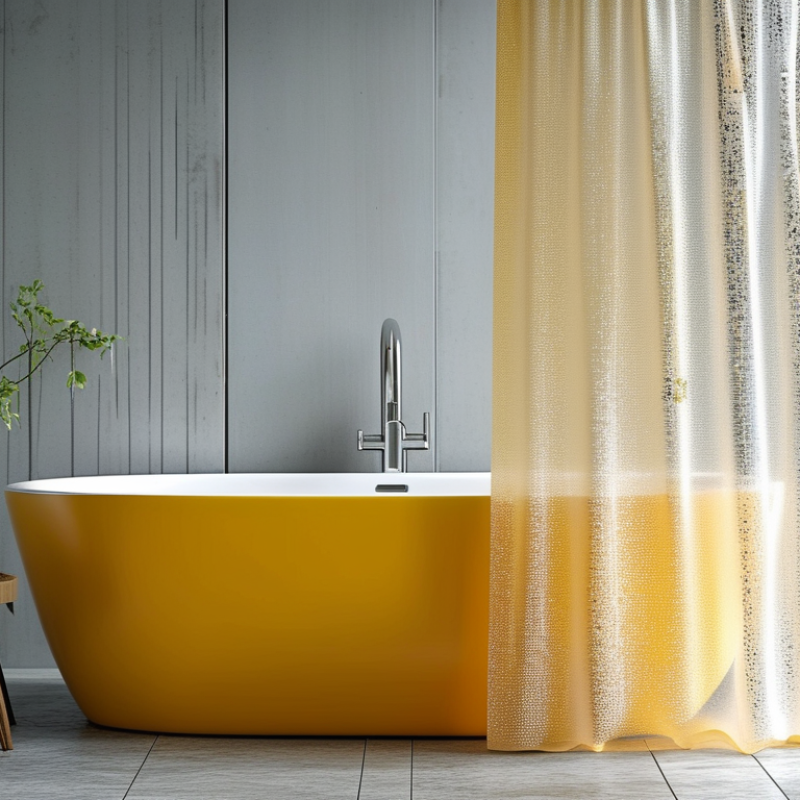
Choosing the best vinyl shower curtain starts with material, not decorative pattern. Most curtains use flexible PVC, while PEVA and EVA provide chlorine-free alternatives. PVC often feels denser and hangs more steadily. PEVA may feel lighter, but formulation quality varies. No material is perfect.
According to the U.S. EPA’s Facts and Figures about Materials, Waste and Recycling report, plastics generated 35.7 million tons of municipal waste in 2018. That represented 12.2% of total U.S. municipal waste. These figures cover all plastics, not shower curtains specifically. Still, they encourage careful selection and longer product use.
Construction controls daily performance. Look for a reinforced top hem with evenly spaced, rust-resistant grommets. The hem should feel firm, not brittle or sharply folded. ASTM F2285 offers a useful reference for shower curtain dimensions, materials, and construction details.
A practical inspection is simple: gently pull the grommets, flex the bottom edge, and examine the side seams. A seam can still fail. Thickness alone does not guarantee durability. A heavy curtain may resist tearing, yet become awkward when wet. Light curtains can move easily and leave gaps near the tub. I would choose balanced weight, smooth edges, and clear care instructions over maximum thickness. The U.S. EPA data also makes replacement frequency worth considering, although real service life depends on ventilation, cleaning, and installation.
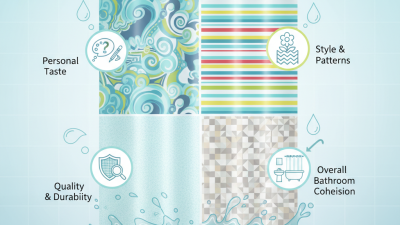
Choosing a vinyl shower curtain starts with the shower space, not the package label. Measure the finished opening from wall to wall, then measure from the rod to the tub rim or shower floor. A common 72-inch curtain may fit a standard tub, but it can bunch badly around a curved rod. Allow extra width for gentle folds and at least several inches of side overlap. Small gaps invite splashing.
Check the shower’s shape and hardware. A sloped base may need a longer curtain, while a deep tub benefits from a weighted bottom edge. Keep the vinyl inside the tub or shower threshold, but avoid letting it drag on the floor. The 2024 International Residential Code requires a shower compartment to provide at least 900 square inches and a 30-inch diameter circle. The National Kitchen and Bath Association’s planning guidance commonly treats 36 by 36 inches as a more comfortable target. These measurements help assess movement, but they do not replace measuring your own walls.
I once assumed a straight rod meant a standard curtain would work. It did not. The curtain pulled away at both corners. Recheck the rod length, hook spacing, and curtain drop before buying. Also inspect the liner’s attachment points. A curtain can be wide enough yet incompatible with closely spaced rings or an unusually high rod. Vinyl is practical, but poor fit still creates damp floors, trapped moisture, and frequent cleaning.
Sources: 2024 International Residential Code, Section R307.1; National Kitchen and Bath Association Bathroom Planning Guidelines.
How to Choose the Best Vinyl Shower Curtain?
Comparing Waterproofing, Durability, and Mold Resistance
When I inspect a vinyl shower curtain, I check its lower edge first. A curled edge can allow water onto the bathroom floor. Hold the material against a light source. Thin areas, pinholes, or uneven coating may reveal weak waterproofing. A smooth, flexible surface usually hangs better and creates fewer gaps. However, waterproofing also depends on the curtain’s width and how well it overlaps the tub.
I once chose a curtain because it felt unusually thick. It lasted well, but its heavy weight strained the hanging hooks. That mistake changed my buying habits. Durability depends on thickness, reinforced eyelets, and flexible seams. Strong eyelets reduce tearing during daily opening and closing. A slightly lighter curtain may perform better if its stitching is carefully finished.
Mold resistance requires more than a product label. Vinyl absorbs little water, yet soap residue can remain on its surface. Damp folds can develop unpleasant spots when air cannot circulate. Wipe the curtain regularly, especially near the bottom hem. Keep it spread after showering, and improve ventilation when possible. I prefer curtains that clean easily without harsh treatment. Still, no material stays mold-free in a constantly wet bathroom. Check the seams every few weeks, because hidden moisture often appears there first.
How to Choose the Best Vinyl Shower Curtain?
Choosing Design, Privacy Level, and Maintenance Features
A vinyl shower curtain should do more than block splashes. Its design affects how the bathroom feels each morning. In smaller rooms, pale colors and simple vertical patterns can make walls seem higher. Darker prints add character, but they may show soap marks more clearly. I usually hold a sample near the tiles and window. Artificial light can change the color noticeably. A curtain that looks calm online may feel busy at home. That happened to me once. I chose a bold pattern and tired of it within weeks.
Privacy depends on more than the curtain’s color. Clear vinyl lets in light, but outlines remain visible. Frosted material softens shapes and suits shared bathrooms. Opaque vinyl offers stronger coverage, especially near windows. Check the curtain’s width and length carefully. Gaps near the tub can expose more than expected. A weighted hem helps the curtain stay in place during a shower. Still, it cannot fix a poorly positioned rod. Measure twice. Maybe three times.
For maintenance, choose a smooth surface that wipes clean easily. After each shower, spread the curtain fully so trapped moisture can escape. A small fan also helps reduce dampness. Follow the care instructions, since some vinyl should not enter a washing machine. Use mild soap and a soft cloth. Harsh cleaners can damage the finish or create a strong odor. Inspect the bottom edge, grommets, and seams every few weeks. If mildew keeps returning, replacement may be more practical than endless scrubbing. I still miss spots sometimes, so a quick flashlight check helps.
Vinyl shower curtains are valued for their water resistance and easy cleaning. When choosing one, prioritize privacy through opacity, practical maintenance features, and a design that complements the bathroom.
How to Choose the Best Vinyl Shower Curtain?
A vinyl shower curtain should protect your bathroom without creating unnecessary safety concerns. When I test one at home, I check the smell first. A strong chemical odor can linger in a small, poorly ventilated bathroom. Open windows and allow the curtain to air out before installation. Look for clear material information and independent safety testing. Avoid products with vague claims about being “non-toxic.” Ask what those claims actually measure. Also inspect the top holes, seams, and weighted hem. Weak stitching may cause the curtain to fall or touch the floor, where mold can develop.
Environmental impact deserves equal attention. Vinyl is water-resistant and affordable, but it can be difficult to recycle. A durable curtain may create less waste than several cheap replacements. Choose a suitable thickness, washable surface, and sturdy metal or reinforced plastic eyelets. Clean it regularly with mild soap, then dry it fully. I once chose a very inexpensive liner, and its thin edges curled within weeks. That was not good value. Still, thicker does not always mean better; excessive material can increase cost and environmental burden.
Tips: Measure your shower area carefully. Select a curtain slightly wider than the opening. Check care instructions before buying. Prefer recycled packaging when available. Replace only the liner if the outer curtain remains usable. Ventilation matters. So does honest labeling.
Evaluating safety, environmental impact, durability, maintenance, and overall value
| Material Option | Water Resistance | Odor and Indoor-Air Considerations | Safety Factors to Check | Environmental Impact | Durability and Care | Typical Cost Position | Overall Value Outlook |
|---|---|---|---|---|---|---|---|
|
Standard PVC Vinyl Flexible polyvinyl chloride film |
High Forms an effective water barrier and dries quickly when properly ventilated. |
Medium New PVC products may have a noticeable plastic odor. Odor typically decreases with airing out, but ventilation is recommended. |
Check for compliance with applicable chemical-safety requirements and avoid products with undisclosed plasticizers. PVC itself does not automatically indicate the presence of phthalates. |
Lower Contains chlorine and is difficult to recycle through ordinary household programs. Production and disposal require more careful environmental management than chlorine-free alternatives. |
High Usually resists splashes, tearing, and repeated use. Wipe regularly and allow the curtain to dry fully. |
Usually low | Practical when the priority is low upfront cost and strong water resistance, but less attractive when material chemistry and end-of-life impact are major concerns. |
|
Phthalate-Free PVC Vinyl PVC formulated without intentionally added phthalate plasticizers |
High Provides the same basic waterproofing function as other PVC films. |
Medium A phthalate-free claim addresses one additive category, but it does not guarantee that the product is completely odor-free or free of all volatile compounds. |
Look for a clear phthalate-free statement, material disclosure, and applicable safety testing. “Phthalate-free” should not be treated as a complete chemical-safety certification. |
Lower Removing phthalates does not change the fact that the product is PVC-based and may be difficult to recycle locally. |
High Good resistance to water and everyday bathroom use. Cleaning and drying practices remain important. |
Low to moderate | A stronger PVC choice for shoppers who want a familiar waterproof material while reducing concern about a specific plasticizer category. |
|
PEVA Polyethylene vinyl acetate; chlorine-free alternative to PVC |
High Naturally suitable for use as a water-resistant shower liner. |
Generally better Often has less initial odor than conventional PVC, although odor can still vary by formulation, inks, coatings, and packaging. |
Confirm that the product is free from intentionally added phthalates and review any available material or compliance information. Chlorine-free does not mean chemical-free. |
Moderate Avoids chlorine-based PVC chemistry, but recycling options are still limited and depend on local facilities. |
Moderate to high Lightweight and flexible. It may crease or tear more easily than a heavier, reinforced liner. |
Low to moderate | Often a balanced option for buyers seeking low cost, effective water protection, and a chlorine-free material. |
|
EVA Ethylene vinyl acetate; chlorine-free flexible polymer |
High Suitable for shower liners and resists routine water exposure. |
Generally better Commonly produces less strong plastic odor than many PVC liners, but actual odor depends on manufacturing and storage. |
Check for phthalate-free information, transparent material labeling, and compliance with relevant consumer-product requirements. |
Moderate Chlorine-free composition can reduce some environmental concerns associated with PVC, but disposal and recycling remain important limitations. |
High Usually flexible and resilient. Regular washing or wiping helps reduce soap residue and mildew growth on the surface. |
Moderate | A good all-around choice when flexibility, lower initial odor, and chlorine-free construction are valued more than the lowest purchase price. |
|
Recycled-Content Vinyl Vinyl product containing a stated percentage of recycled material |
High Water resistance depends on the finished film, seams, and construction rather than recycled content alone. |
Variable Odor depends on the recycled feedstock, additives, printing, and manufacturing process. |
Verify the percentage and type of recycled content, whether it is pre-consumer or post-consumer, and any available chemical-safety documentation. |
Potentially better Recycled content can reduce demand for virgin material, but it does not automatically make PVC recyclable or eliminate disposal concerns. |
Moderate to high Performance varies substantially with film thickness, reinforcement, and quality control. |
Moderate | Potentially strong value when recycled-content claims are specific, verifiable, and paired with adequate thickness and durable construction. |
| Safety | Prefer clear material labeling, phthalate-free information where relevant, and evidence of compliance with applicable consumer-product safety requirements. |
|---|---|
| Odor Management | Air out a new curtain before installation when possible. Use bathroom ventilation, keep the curtain spread open after showering, and replace it if a persistent odor or deterioration develops. |
| Durability | Look for reinforced header holes, rust-resistant eyelets, adequate thickness, weighted hems, and strong seams. A longer-lasting curtain can reduce replacement waste. |
| Environmental Impact | Consider material chemistry, recycled content, expected service life, packaging, and local recycling availability together. Do not assume that a chlorine-free product is recyclable in ordinary curbside collection. |
| Maintenance | Clean according to the care instructions, remove soap buildup, keep the curtain dry between uses, and replace it when it becomes cracked, brittle, moldy, or difficult to clean. |
| Best General Choice | For a balanced combination of water resistance, odor considerations, and material profile, a well-made PEVA or EVA liner is often a practical choice. For maximum low-cost durability, a properly disclosed PVC option may still provide strong functional value. |