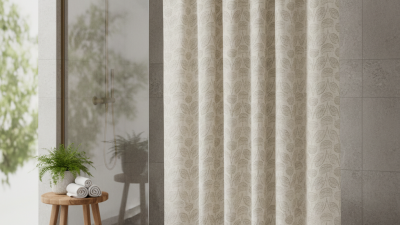
Best Eco Friendly Shower Curtains for a Sustainable Bathroom?
As environmental awareness grows, the demand for sustainable products is escalating. The home decor industry is no exception. Shower curtains are often overlooked, yet they can significantly impact our bathrooms' eco-friendliness. Research indicates that nearly 60% of conventional shower curtains contain PVC, which not only harms the environment but also releases toxic chemicals into our homes.
Eco-friendly shower curtains have emerged as viable alternatives. Brands now offer options crafted from organic cotton, recycled materials, and even biodegradable plastics. These products help reduce waste and promote a healthier living space. However, choosing a Shower Curtain Eco is not just about being trendy. It's about making informed decisions that support the environment.
Some consumers may feel overwhelmed by the choices available. With varying prices and materials, it’s essential to identify what truly aligns with our sustainability goals. A thoughtful approach can lead to a bathroom makeover that is both stylish and eco-conscious. Investing in a quality shower curtain can reduce plastic waste and pollution, but it's crucial to reflect on our habits. Are we truly committed to a sustainable lifestyle?
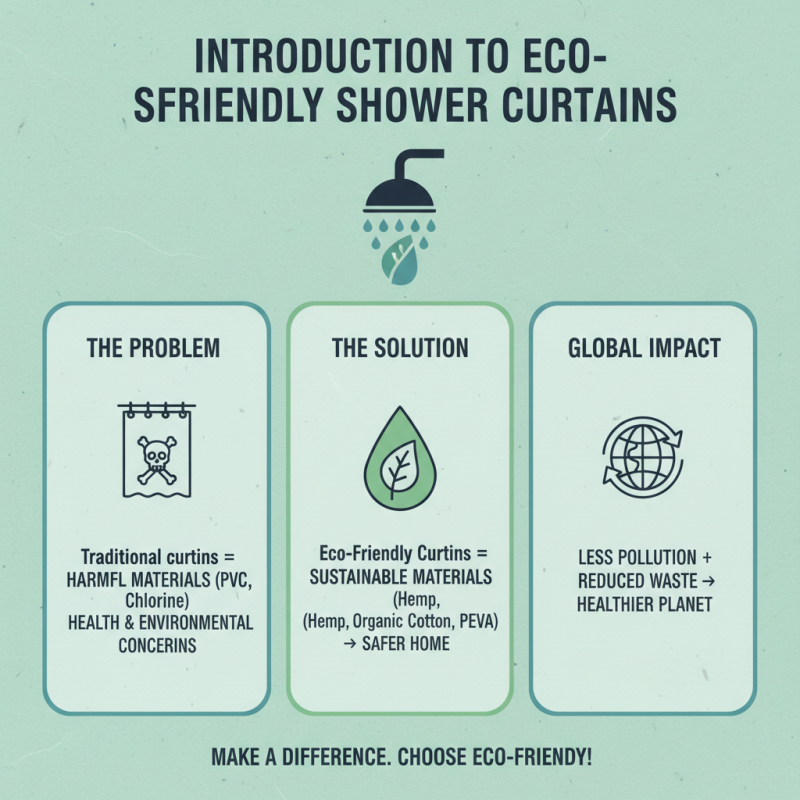
Introduction to Eco-Friendly Shower Curtains
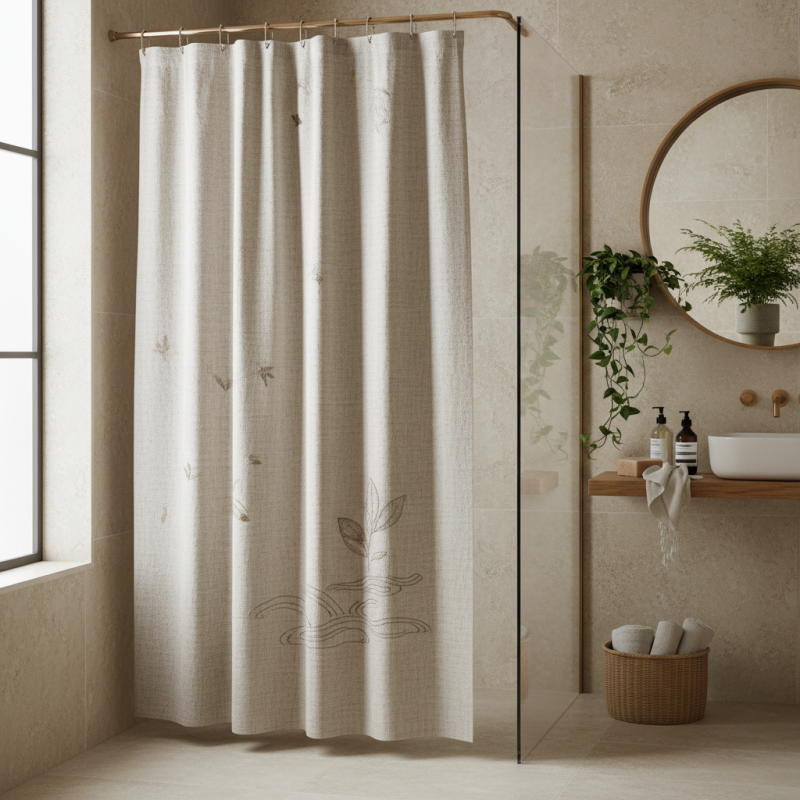
The bathroom is a vital space in every home. However, traditional shower curtains often contain harmful materials. This raises concerns about health and the environment. Choosing eco-friendly shower curtains can make a difference. These curtains are often made from sustainable materials. Their manufacturing processes tend to be less harmful to our planet.
Options like organic cotton, hemp, or recycled materials provide safer alternatives. They are free of VOCs and toxic chemicals. Thus, they contribute to better air quality in your bathroom. However, not all products marketed as eco-friendly are truly sustainable. It's essential to research the materials and their sources.
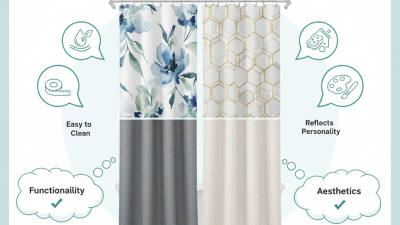
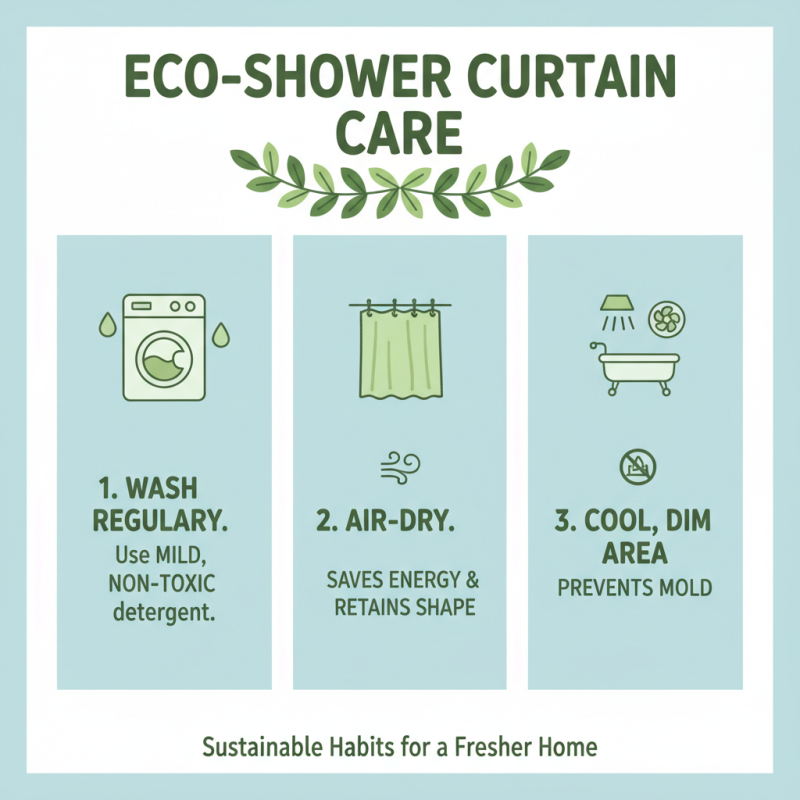
Ensuring durability is equally important. A short lifespan can lead to more waste. You might need to replace a lower-quality curtain more frequently. Look for certifications that indicate genuine sustainability. Additionally, consider the curtain's maintenance. An effective solution should be easy to clean and long-lasting. Balancing aesthetics, functionality, and eco-friendliness can be challenging, but worth the effort.
Benefits of Using Eco-Friendly Shower Curtains
Choosing eco-friendly shower curtains is a smart move for a sustainable bathroom. These curtains are often made from natural materials like organic cotton or hemp. This reduces harmful chemicals that can affect both health and the environment. Unlike plastic curtains, eco-friendly options are biodegradable, minimizing waste.
Benefits extend beyond materials. Eco-friendly shower curtains often have superior durability. They resist mold and mildew more effectively. This means less frequent replacements and lower overall costs in the long run. Transitioning to these curtains can feel overwhelming. Many consumers are unsure about maintenance or durability.
Look for certifications and organic labels when choosing. Proper installation and care can enhance longevity. It's also essential to be mindful of individual preferences. Every bathroom is different, and finding the right fit may take time. Engaging with sustainable practices fosters a deeper connection to our living spaces.
Materials Used in Sustainable Shower Curtains
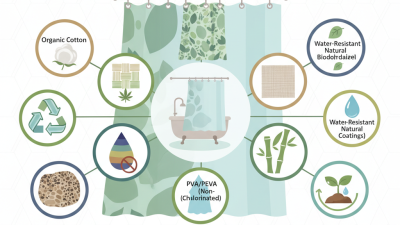
When considering eco-friendly shower curtains, the materials are paramount. Sustainable shower curtains are typically made from organic cotton, hemp, or recycled plastics. Organic cotton is grown without harmful pesticides. This choice helps reduce your carbon footprint. Hemp is a durable option that requires minimal water. It also grows quickly, making it a renewable resource.
Tips: Look for curtains that are certified organic. This ensures they meet stringent environmental standards for production.
Another material gaining popularity is recycled polyester. It diverts plastic from landfills and minimizes the need for virgin materials. This is essential in our fight against pollution. However, consider the potential microplastics released during washing. This is an area needing further research and reflection.
Tips: Wash your curtains in a mesh bag. This can help catch microplastics and protect waterways.
Choosing the right material means making informed decisions. Not all eco-friendly options are perfect. It’s vital to weigh the benefits against potential drawbacks. Each choice plays a role in creating a sustainable bathroom environment.
Best Eco Friendly Shower Curtains for a Sustainable Bathroom
This chart displays the percentage composition of materials used in sustainable shower curtains. The data illustrates the most common eco-friendly materials that contribute to a sustainable bathroom environment.
Top Brands for Eco-Friendly Shower Curtains
When choosing eco-friendly shower curtains, several top brands stand out for their commitment to sustainability. These brands emphasize the importance of materials like organic cotton, recycled plastic, and bamboo. Organic cotton is free of harmful chemicals, reducing environmental impact. Recycled plastics help to minimize waste and encourage circularity in production.
Many eco-conscious consumers seek certifications to ensure product safety and sustainability. Look for certifications like GREENGUARD or OEKO-TEX. These labels signify that the products meet stringent environmental standards. However, it’s important to verify that the brand follows ethical manufacturing practices too. Transparency in sourcing and production is key; some brands may boast green materials but lack disclosure on labor conditions.
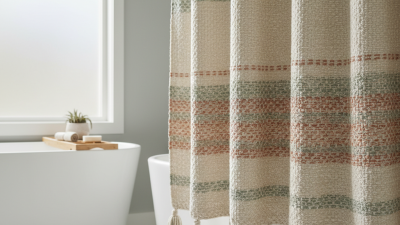
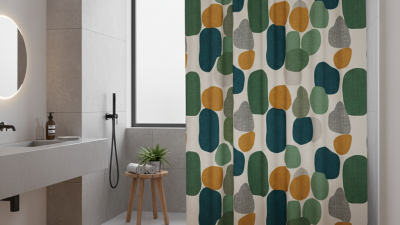
Moreover, color and design play a significant role in the aesthetics of an eco-friendly bathroom. Vibrant patterns and natural hues can enhance the atmosphere. However, some consumers might find eco-friendly options lacking in variety compared to conventional choices. Balancing style with sustainability can be tricky, but the effort contributes to a healthier home and planet.