What is a Square Tablecloth and How to Choose the Right One?
In the world of home decor, a square tablecloth serves more than just a functional purpose. This simple fabric can significantly enhance the aesthetic of any dining area. According to industry reports, the global table linen market is projected to reach $1.28 billion by 2025, reflecting the rising popularity of exquisite table settings. Among different types, the square tablecloth has gained traction, appealing to both casual and formal dining occasions.
Choosing the right square tablecloth can be challenging. Factors such as size, fabric, and design play essential roles. For instance, a cotton square tablecloth offers durability and easy maintenance, making it ideal for families. However, silk or satin adds elegance but may require more care. While many consumers overlook color palettes that blend with their existing decor, selecting a complementary shade can tie a room together beautifully.
It's worth noting that not all square tablecloths are created equally. Some may not fit well or fade after a few washes. Each decision carries weight; getting it right elevates your dining experience. Striking a balance between budget and quality often requires more thought than one might anticipate. Ultimately, investing in a high-quality square tablecloth can create a lasting impact, both in style and functionality.
What is a Square Tablecloth?
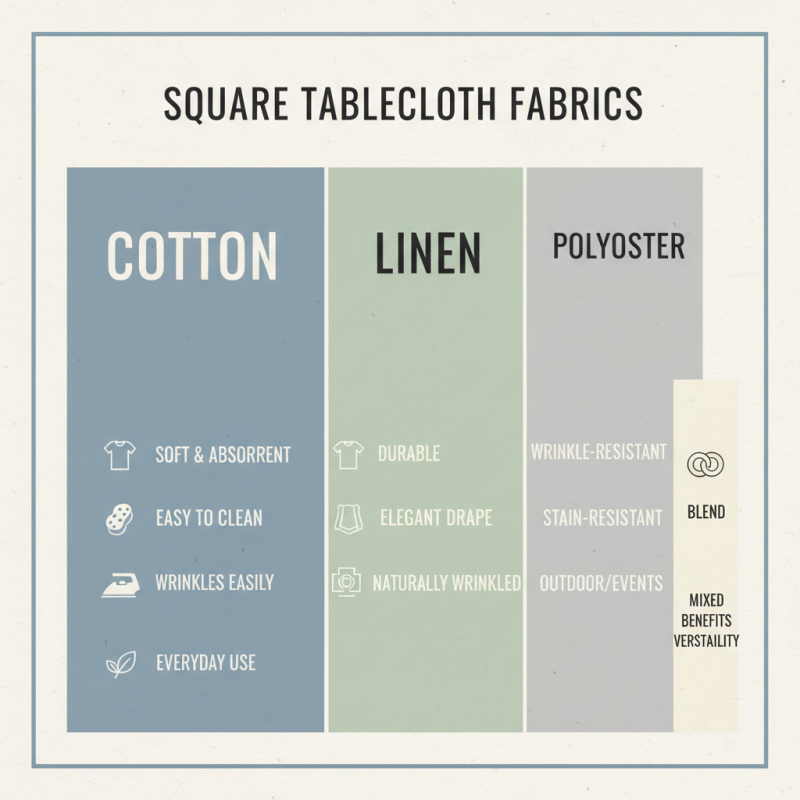
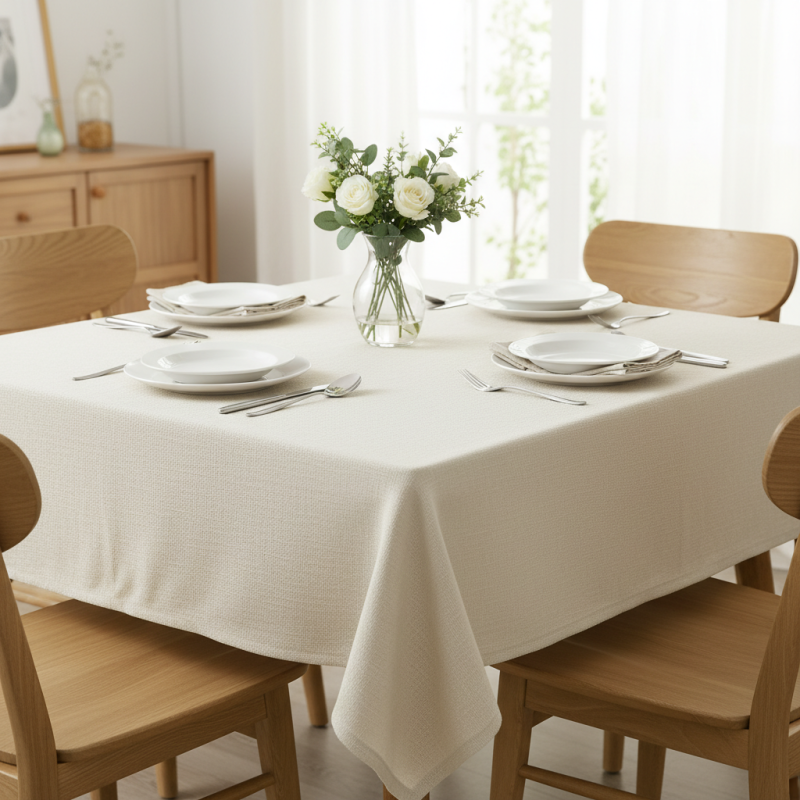
A square tablecloth is a stylish textile used for covering square tables. It serves both functional and aesthetic purposes. Made from various materials, it can enhance the dining experience. Cotton, linen, or polyester are popular choices. Each material has unique qualities. Cotton is soft, while linen adds elegance. Polyester is often easy to clean.
When choosing a square tablecloth, consider the table's dimensions. A cloth that’s too small can look awkward. Conversely, a cloth that’s too large can create clutter. Pay attention to the drop length, which refers to how far the cloth hangs over the edges. A drop of 6 to 12 inches is common. It’s essential to match the tablecloth to the occasion. Formal events may require more luxurious fabrics.
Color and pattern also play vital roles in selection. Solid colors can create a calm environment. Complex patterns might add excitement, but they can be overwhelming. Think about your dining space's overall style. Sometimes, a perfect match may seem elusive. Experimentation can lead to surprising combinations. Ultimately, the right tablecloth enhances the atmosphere, but it shouldn't overshadow the meal itself.
Types of Square Tablecloth Fabrics and Their Uses
When choosing a square tablecloth, fabric selection is crucial. There are various types, each serving different purposes. Cotton is a popular choice for everyday use. It’s soft, absorbent, and easy to clean. However, it may wrinkle easily, requiring regular ironing.
For formal occasions, consider polyester. It resists stains and drapes beautifully. Plus, it comes in various colors and patterns, adding elegance to your setting. But, polyester can be less breathable. Some people find it uncomfortable for long dining experiences.
Linen is another option. It exudes sophistication and is durable. Yet, it demands more care when washing. Then there’s vinyl, favored for outdoor events. It’s easy to wipe clean and water-resistant. On the downside, it can look less elegant. Each fabric has its pros and cons. Choose wisely based on your needs and the atmosphere you wish to create.
How to Measure Your Table for a Perfect Fit
When choosing a square tablecloth, accurate measurements are crucial for achieving a perfect fit. Start by measuring the width and length of your table. Use a reliable measuring tape and write down the dimensions. Make sure to note whether you want the cloth to hang over the edges. A drop length of 6-12 inches is ideal for most occasions.
Tips: Always measure in multiple places. Tables can be uneven. Consider the thickness of the table as well. This can affect how the cloth drapes.
Think about the type of event when selecting a tablecloth size. A more formal setting might require a longer drop. In contrast, casual gatherings can work well with minimal drape. Keep in mind that fabric thickness also matters. Thinner fabrics may cling to the table, presenting a different look.
Double-check your measurements before purchasing. A tablecloth that is too large can look sloppy. One that is too small may expose the table's surface. Take time to reflect on your choices. This can save frustration later on.
What is a Square Tablecloth and How to Choose the Right One?
| Measurement Dimension |
Description |
Recommended Size |
| Table Length |
The length of your table from one edge to another |
Width + 12 inches |
| Table Width |
The width of your table across the shorter side |
Width + 12 inches |
| Drop Length |
The amount of tablecloth that hangs over the edge |
Typically 6-12 inches |
| Table Height |
The height from the floor to the top of the table |
Standard height is 28-30 inches |
| Material |
Fabric used for the tablecloth |
Cotton, Linen, Polyester, etc. |
| Color |
The color of the tablecloth |
Variety of colors available to match decor |
Choosing the Right Color and Design for Your Decor
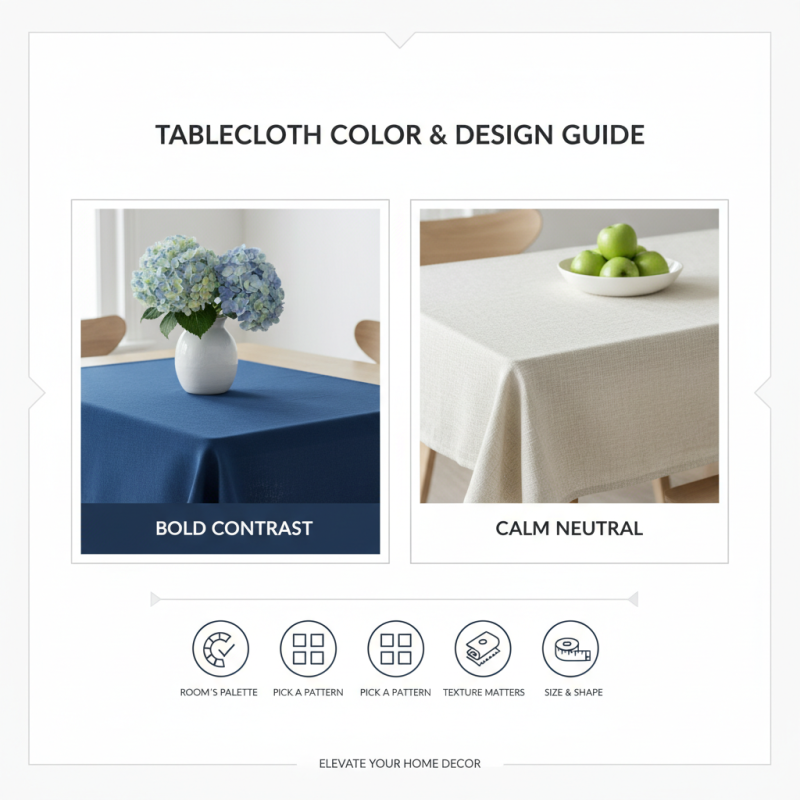
Choosing the right color and design for a square tablecloth can greatly enhance your home decor. Begin by considering the overall color scheme of your room. A tablecloth in a bold, contrasting color can serve as a focal point. For example, a deep blue tablecloth complements lighter shades beautifully. Alternatively, a neutral color can blend seamlessly, creating a calm, inviting atmosphere.
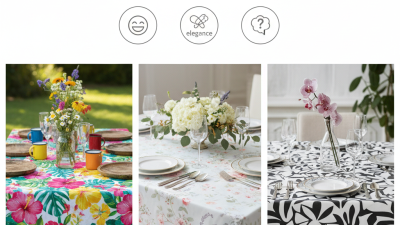
Texture and pattern are equally important. A solid tablecloth conveys simplicity and elegance. However, a pattern can add visual interest. Stripes or floral designs can stir up the ambiance. Think of how these styles resonate with your existing decor. Be aware that mixing patterns can be tricky. Too many can clash and create confusion. It’s all about balance.
Don’t overlook practical considerations. Will the tablecloth be used daily or for special occasions? Frequent use might require wash-friendly materials. Additionally, some designs may show stains more than others. Consider your lifestyle and needs before making a choice. Remember that the right tablecloth should reflect your personal style while fitting within your space's aesthetic.
Care and Maintenance Tips for Square Tablecloths
Caring for square tablecloths can greatly extend their lifespan. Most tablecloths are made from cotton, polyester, or blends of these materials. According to industry data, improper care can reduce fabric life by up to 50%. When washing, always follow the care label instructions. Use cold water and a gentle cycle to avoid shrinkage.
Stains are inevitable. For minor stains, act quickly. Blot the area instead of rubbing to prevent spreading. A mixture of mild detergent and water can be effective. For tougher stains, consider using a gentle stain remover. However, always test on a hidden area first. After washing, air drying is recommended. This helps maintain the shape and fabric integrity.
Storage is often overlooked. A common mistake is folding tablecloths without care. Folding can lead to creases that are hard to remove. Instead, roll your tablecloth or hang it if possible. This simple act can help keep your cloth looking fresh. Remember, the right care reflects on your presentation at gatherings.