Essential Tips for Choosing the Best Fabric Shower Curtain
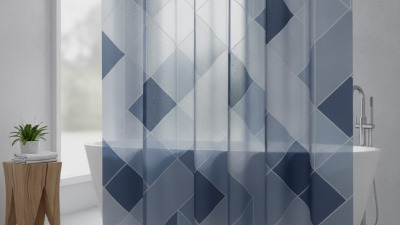
When it comes to bathroom decor, a Fabric Shower Curtain can be a game changer. Choosing the right one enhances both functionality and style. The ideal curtain not only complements your bathroom aesthetic but also provides necessary features such as water resistance and durability.
Consider the fabric quality carefully. Cheap materials may fray easily or fade after washing. Conversely, high-quality fabrics can withstand humidity and maintain their color. Look for curtains that are machine washable for easy maintenance. Additionally, pay attention to the lining. A good lining can prevent water from soaking through, prolonging the curtain's lifespan.
However, don’t rush into a decision. Reflect on your needs and how the curtain fits into your overall design. Sometimes, a beautiful curtain may not offer the practicality you require. Striking a balance between aesthetics and function is the key to finding the perfect Fabric Shower Curtain.
Understanding Different Types of Fabric for Shower Curtains
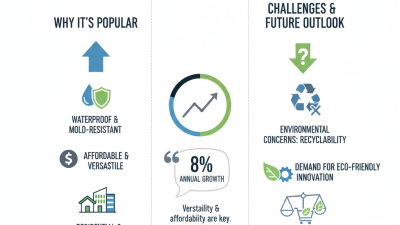
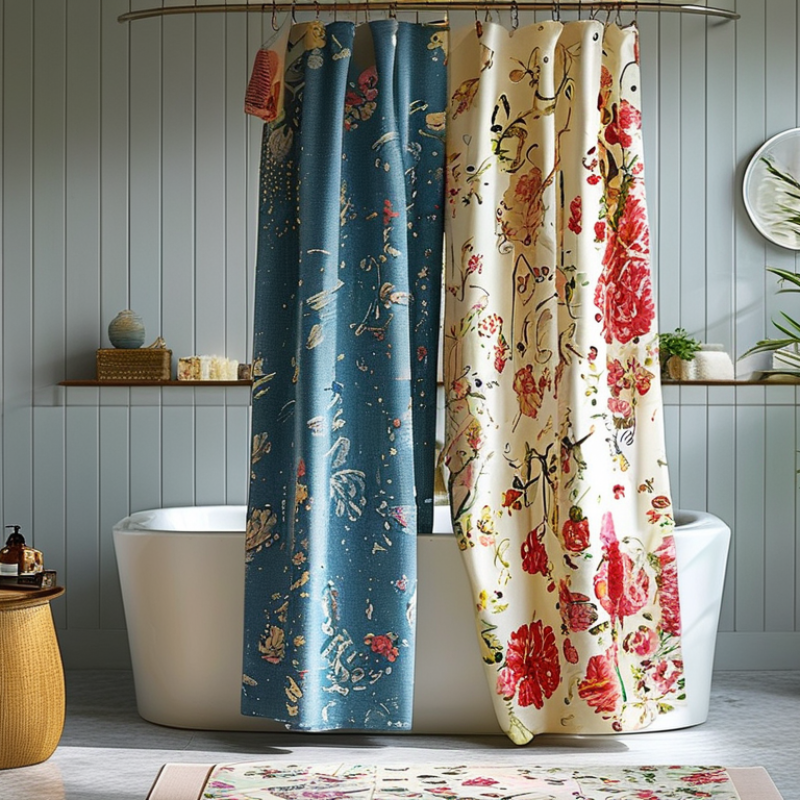
Choosing the right fabric for a shower curtain can significantly affect your bathroom's ambiance and functionality. Various fabric types exist, each with unique qualities. Polyester is a popular choice due to its durability and water resistance. According to a market analysis by IBISWorld, polyester shower curtains account for approximately 45% of the market share due to their affordability and ease of cleaning.
Cotton shower curtains offer a natural feel and are often chosen for their aesthetic appeal. However, they may require more maintenance, as they tend to absorb moisture. A study from the American Society for Microbiology indicated that cotton can harbor bacteria if not washed regularly. Thus, while cotton provides a cozy look, it demands a strict cleaning routine.
Another option is vinyl, known for its waterproof characteristics. Vinyl curtains can be easier to maintain, but they may lack the premium feel of fabric options. Interestingly, a report from the Home Improvement Research Institute highlights a growing consumer demand for eco-friendly materials, prompting innovations in sustainable fabrics. Many consumers are questioning the environmental impact of their choices, creating a need for more awareness and reflection on one's personal preferences.
Fabric Types and Their Popularity in Shower Curtains
Evaluating Material Durability and Maintenance Requirements
Choosing a fabric shower curtain involves evaluating its material durability and maintenance needs. Different fabrics have distinct qualities. For instance, polyester is popular for its water resistance and easy cleaning, while cotton offers comfort but may require more upkeep. Assessing how often you shower can guide your choice.
Consider how the curtain will hold up against moisture and mildew. Some materials are naturally resistant, while others may succumb over time. Regular cleaning routines can help maintain the curtain's integrity. Washing it every few weeks may prevent mold, but remember that frequent washing can wear down the fabric.
Think about your lifestyle. Do you have kids? Pets? These factors influence fabric choice. A bold print may hide stains better than a solid color. Yet, remember that darker colors may fade with time.
It’s a balancing act between aesthetics and functionality. Examine the fabric closely. Some may feel soft but lack durability. Others may seem tough but are cumbersome to maintain. Knowing these details can help ensure a satisfying purchase.
Considering Water Resistance and Quick-Dry Features
When choosing a fabric shower curtain, water resistance and
quick-dry features are crucial. A report from the
American Society for Testing and Materials indicates that
water-resistant fabrics can reduce mold and mildew growth. This is important for maintaining a
healthy environment.
Quick-dry curtains also offer practical benefits. They dry faster after use, preventing moisture accumulation.
A study by the National Association of Home Builders suggests
that moisture management is key for bathroom longevity. Traditional fabrics can hold onto water, promoting
an unsanitary space.
Consider options made from synthetic blends. These often balance comfort and functionality. While organic
cotton is popular, it may not dry quickly. It’s vital to pay attention to fabric specifications. Each
choice impacts your bathroom's atmosphere. Imperfections
exist in all materials. Some may fade over time or develop stains. Being informed allows for better decisions.
Choosing the Right Design and Color for Your Bathroom Decor
Choosing the right design and color for your bathroom decor is crucial. A fabric shower curtain can transform your space. According to a recent industry report, 70% of homeowners believe that color impacts their mood in bathrooms. Let's delve into how to select the best options.
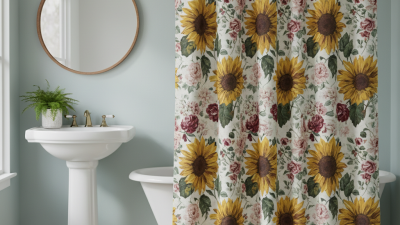
Start with your overall theme. If your bathroom leans towards a modern look, consider geometric patterns. For a more traditional vibe, opt for florals or classic stripes. Neutral colors can create a serene atmosphere, leading to a relaxing experience. A popular choice for many is soft blues and greens, mimicking nature and serenity.
Tip: Test color swatches in your space. Lighting changes color perception. Also, invest in quality fabric that is easy to maintain. Some fabrics resist mildew better than others, which is essential for long-lasting use.
Reflect on how your curtain complements existing elements, such as towels or rugs. An off-balance color scheme may lead to dissatisfaction. Aim for harmony. Always consider personal preferences and the overall flow of the bathroom. Choose wisely, and let your curtain enhance your space’s beauty.
Budgeting: How to Find Quality Fabrics Within Your Price Range
When it comes to selecting a shower curtain, budgeting is crucial. High-quality fabrics often come at a cost, but affordable options do exist. Start by setting a clear budget. Determine how much you can allocate without compromising on style or durability. Many people overspend on items they don’t truly need.
Explore local stores or online platforms for fabrics that fit your budget. Look for cotton or polyester blends, which can offer both comfort and resilience. Pay attention to the thread count; a higher count generally indicates a better quality. Don't be swayed by flashy designs. Sometimes, plain colors or subtle patterns can elevate your bathroom decor beautifully.
Before making a purchase, consider the fabric's care instructions. Some fabrics may require special cleaning methods, adding hidden costs. It's also important to think about longevity. A cheap curtain may save you money in the short term but could lead to expenses when it needs replacing. Weigh the cost against how long the curtain will actually last. This reflection may guide you toward a more informed choice.