Top 10 Eco Friendly Shower Curtains You Should Consider?
Choosing a shower curtain can be overwhelming. A shower curtain eco-friendly can transform your bathroom. These curtains not only beautify your space but also promote sustainability.
When selecting a shower curtain eco, materials matter. Natural fabrics, like organic cotton or hemp, offer safer options. Look for non-toxic dyes and treatments, too. Many products claim to be eco-friendly, but not all live up to the promise. It's important to research brands carefully.
Many eco-friendly options are stylish and durable. You can find beautiful designs that suit every taste. However, be cautious of misleading labels. Some curtains labeled "green" might still contain harmful chemicals. It's crucial to analyze and choose wisely. Embrace the challenge of making a responsible choice for your home.
What Makes a Shower Curtain Eco-Friendly?
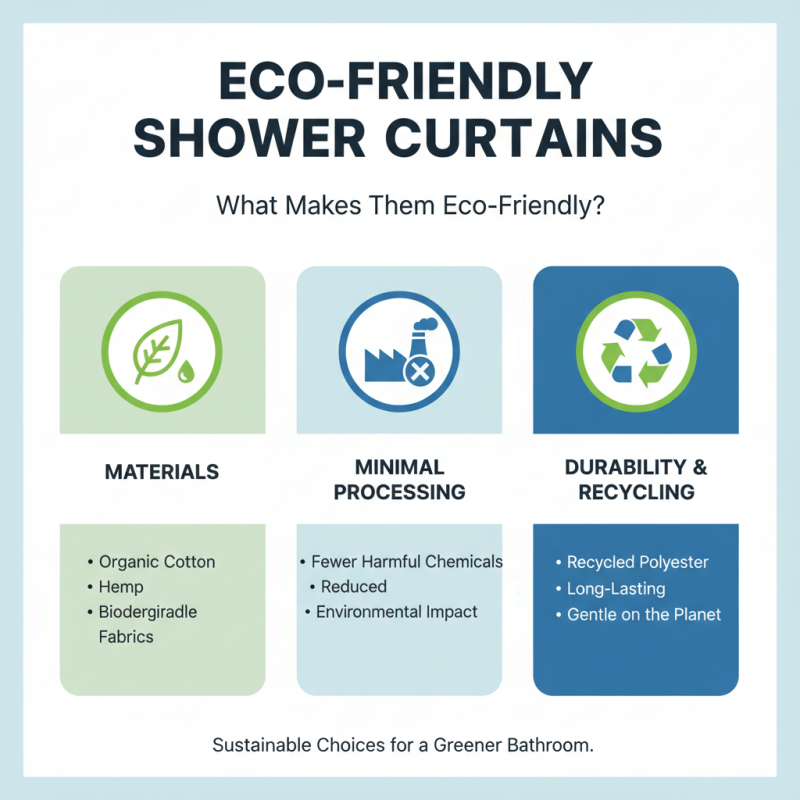
When considering eco-friendly shower curtains, materials play a vital role. Look for options made from organic cotton or hemp. These fabrics are biodegradable and reduce the impact on the environment. Often, they come with minimal processing, ensuring fewer harmful chemicals are used. Additionally, materials like recycled polyester can offer durability while staying gentle on the planet.
Also, consider the manufacturing process. Brands that prioritize sustainable practices often use water-based inks and adhesives. This reduces volatile organic compounds (VOCs), which can harm indoor air quality. Packaging is another factor. Biodegradable or recyclable packaging can enhance sustainability. Unfortunately, many curtains still come wrapped in plastic. It’s essential to reflect on these choices while searching for that perfect curtain.
Ultimately, the goal should be to minimize harm while upgrading your bathroom. It's important to question how our choices affect the environment. The most eco-friendly curtain might still come with a hidden cost. For instance, some organic materials might require more water to grow. Striving for a balance is key.
Materials to Look For in Eco-Friendly Shower Curtains
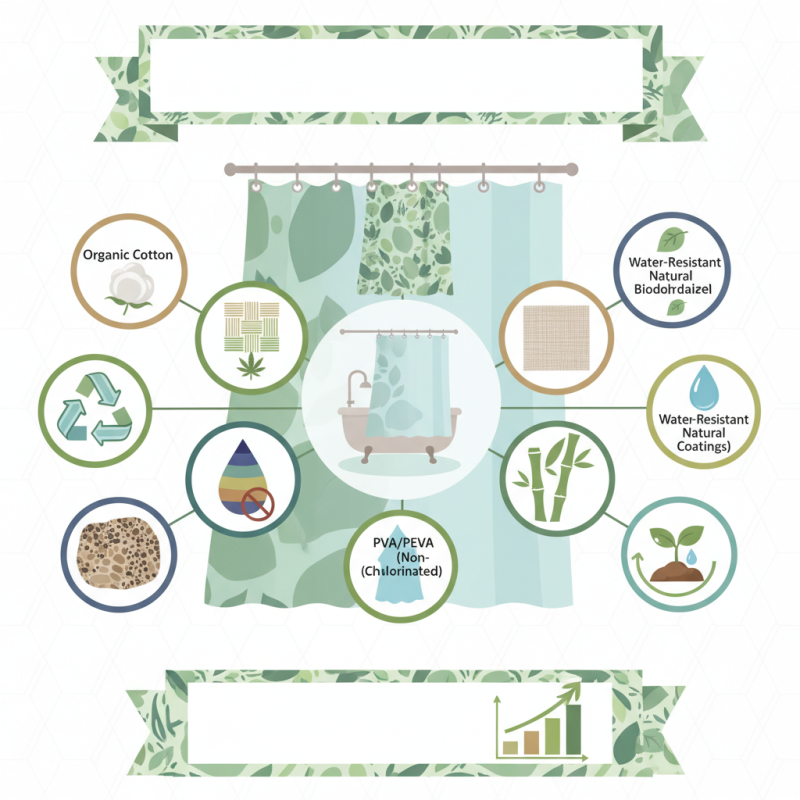
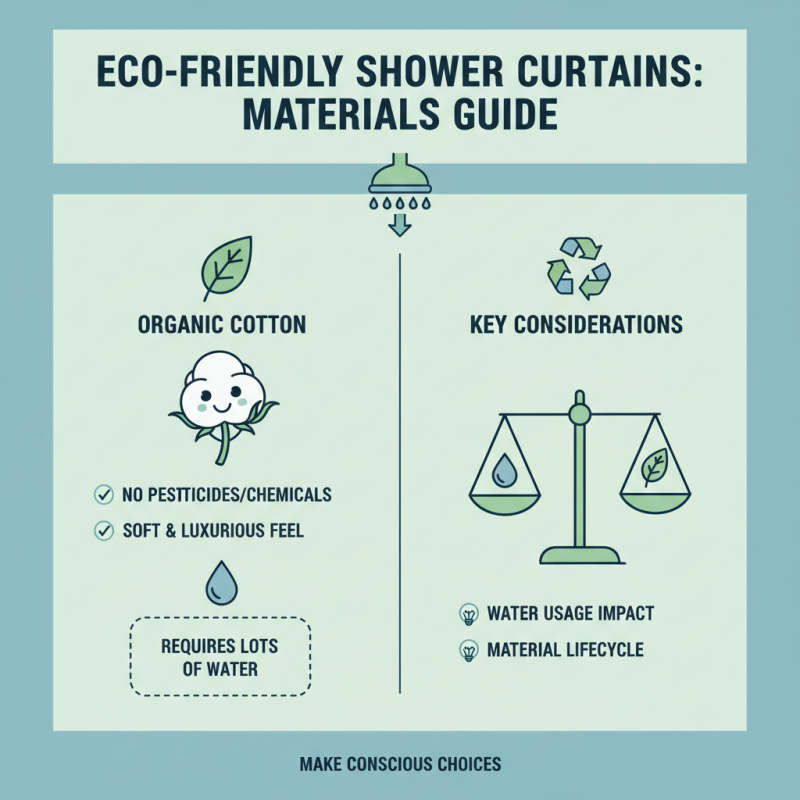
When selecting an eco-friendly shower curtain, materials play a crucial role. A popular option is organic cotton. This material is grown without harmful pesticides and chemicals. It feels soft and luxurious, making your shower experience pleasant. However, cotton requires significant water for farming. Balancing environmental impact is essential.
Another excellent choice is hemp. This sustainable material grows quickly and needs little water. Its durability is a plus, but the texture might not appeal to everyone. Some find it rough or unrefined. Recycled polyester is also worth considering. Made from plastic bottles, it reduces waste. Yet, it's essential to ensure it is free from harmful additives.
Many eco-conscious buyers overlook bamboo. Bamboo shower curtains are biodegradable and naturally resistant to mold. They bring an earthy feel to your bathroom. However, sourcing practices for bamboo can vary widely. It's important to investigate where the bamboo is coming from. Not all eco-labeled products are as sustainable as they claim. Awareness and research make a difference in making greener choices.
Top Brands Offering Sustainable Shower Curtains
Sustainable shower curtains are gaining popularity among eco-conscious consumers. These curtains often use innovative materials that reduce environmental impact. Many brands focus on biodegradable or recycled options. This ensures less waste ends up in landfills. Some curtains are made from organic cotton, which is grown without harmful pesticides. These choices promote a healthier home environment.
When shopping for eco-friendly curtains, consider factors like production methods and materials. Look for certifications that guarantee sustainability. Some brands may use vinyl, which is not eco-friendly. Think about the impact of your choice. A simple switch can make a difference. Colorful prints and patterns now come with sustainable options. This allows you to decorate without compromising your values.
Many companies are still exploring ways to enhance their eco-friendliness. Some promise improvements but fall short in practice. Transparency is key. When brands share their sourcing and manufacturing processes, it builds trust. Choose wisely; not all “green” claims are equal. The journey toward a more sustainable bathroom can be rewarding. Making informed choices contributes to better environmental outcomes.
Top 10 Eco Friendly Shower Curtains You Should Consider
| Material |
Sustainability Features |
Water Resistance |
Dimensions (inches) |
Price Range |
| Organic Cotton |
GOTS Certified |
Yes |
72 x 72 |
$30 - $40 |
| Recycled Polyester |
Recyclable Material |
Yes |
70 x 74 |
$25 - $35 |
| Bamboo Fiber |
Biodegradable |
Yes |
72 x 72 |
$50 - $60 |
| Hemp |
Pesticide-Free |
Yes |
68 x 72 |
$35 - $45 |
| Linen |
Sustainable Sourcing |
Yes |
72 x 72 |
$40 - $50 |
| Tencel |
Sourced from Eucalyptus |
Yes |
72 x 72 |
$45 - $55 |
| Natural Rubber |
Non-Toxic |
Yes |
70 x 70 |
$50 - $60 |
| Silicone |
Made from Sand |
Yes |
72 x 72 |
$30 - $40 |
| Canvas |
Durable and Long-Lasting |
Yes |
75 x 72 |
$60 - $70 |
| Polycarbonate |
Recyclable |
Yes |
72 x 72 |
$40 - $50 |
Features to Consider When Choosing an Eco-Friendly Shower Curtain
When selecting an eco-friendly shower curtain, consider material sustainability. Many curtains use PVC, a substance harmful to both health and the environment. Opt for curtains made from organic cotton, linen, or recycled materials. Reports suggest that PVC production releases toxic chemicals. Switching to natural fibers can reduce indoor air pollution.
Durability is another important factor. Eco-friendly materials often last longer, reducing waste. According to a study by the American Environmental Protection Agency, longer-lasting products can greatly decrease landfill contributions. Check the curtain’s care instructions, too. Some require special cleaning, which may involve harmful chemicals.
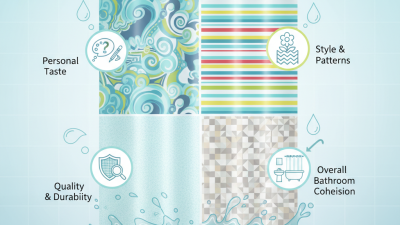
Additionally, focus on design and functionality. A well-designed shower curtain not only conserves water but also complements your bathroom decor. Look for curtains with water-repellent treatments made from non-toxic sources. Color and pattern matter; they can influence your mood and even your shower experience. It's worth reflecting if what looks good is also good for the planet.
Maintaining and Caring for Eco-Friendly Shower Curtains
Caring for eco-friendly shower curtains can enhance their lifespan. Choose curtains made from organic materials, like cotton or hemp. These fabrics often require gentle cleaning methods.
When it comes to maintenance, avoid harsh chemicals. They can damage the fibers and harm the environment. Instead, opt for mild detergents and warm water. Hang the curtains to dry, preventing mildew buildup. Regularly air them out to keep them fresh.
Do check for any signs of wear and tear. Small tears can turn into bigger problems. If you notice a stain, treat it promptly. In some cases, a simple hand wash might do the trick. These practices ensure your shower curtain stays vibrant and functional for years.