



Are Mattress Protectors Really Necessary? — Understanding the Value of Plastic Protective Mattress Covers
When you're buying a mattress, you're often thinking about firmness, support, and maybe even cooling features. But rarely does anyone get excited about the mattress protector. It’s the thing people skip to save a little money. So, let’s talk honestly — are Mattress Protectors really necessary? Especially theplastic protective Mattress Covers that sound, well, kind of uncomfortable?
The short answer? Yes — and here’s why.
The Real Job of a Mattress Protector
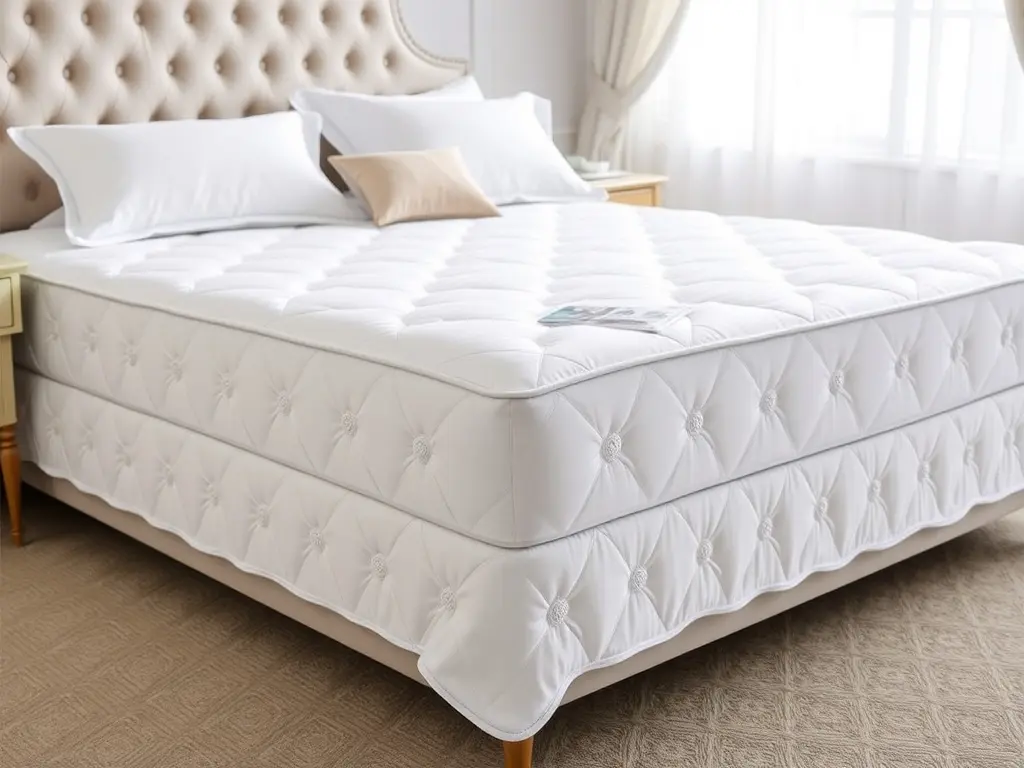
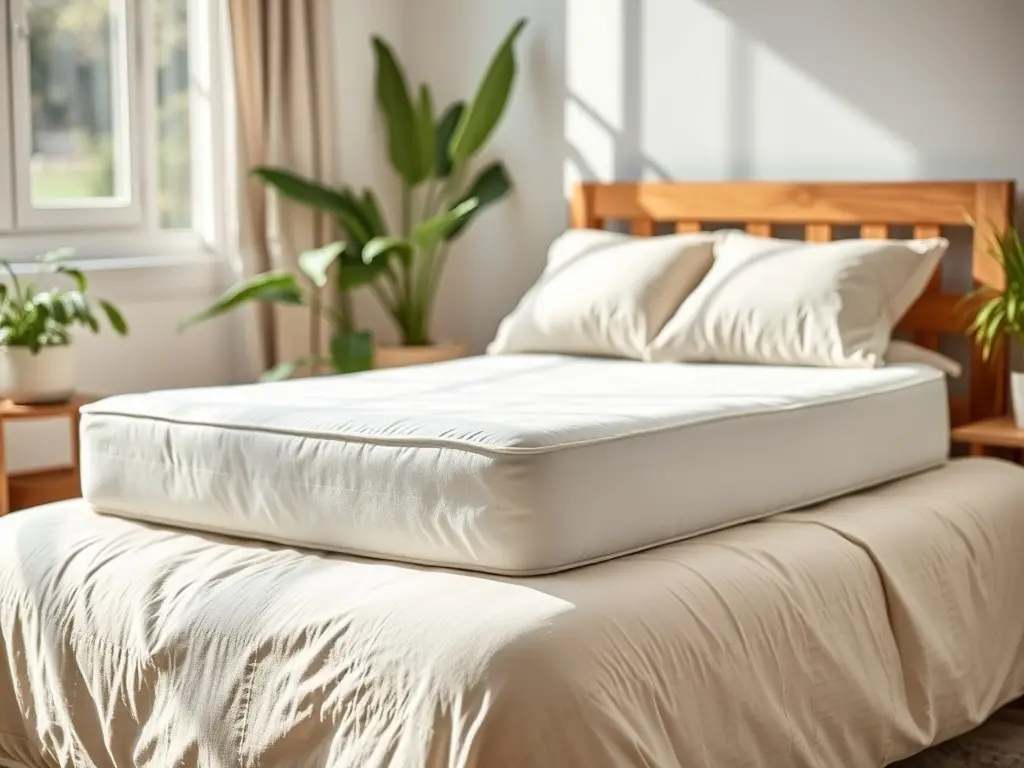
A mattress is an investment, and like anything valuable, it needs protection. A plastic mattress protector forms a barrier between your bed and life’s messes: spills, sweat, allergens, bedwetting (yes, it happens), and even dust mites.
Plastic protective mattress covers — especially the Vinyl Mattress protector types — are completely waterproof. That means one spilled coffee or one pet accident won’t turn into a permanent stain or odor.
Hygiene and Allergens
You probably wash your sheets weekly. But when was the last time you cleaned your actual mattress? That’s the problem — you can’t. Once dust mites, skin flakes, and moisture seep in, they’re not coming out easily.
A plastic mattress protector, particularly one that’s zippered, locks out these allergens. If you’re prone to allergies or asthma, this thin, often-overlooked layer can make a real difference in how well you sleep.
Plastic Sounds Uncomfortable — But Not All Are the Same
The term plastic protective mattress cover doesn’t exactly scream comfort. People often imagine stiff, crinkly material that sounds like you’re sleeping on a bag of chips. But that’s outdated.
Today’s vinyl mattress protectors and full size plastic mattress protectors often come with a soft fabric layer on top — flannel or microfiber — that masks the plastic feel. You get waterproof protection without sacrificing comfort. If you’re looking for something breathable, some newer plastic-based options are engineered to allow airflow while blocking liquids.
Who Really Needs One?
You might be surprised — it’s not just families with young kids or landlords outfitting rentals. A plastic mattress protector is smart for:
-
People who eat or drink in bed
-
Pet owners
-
Anyone with seasonal allergies or asthma
-
People living in humid climates
-
College students in dorms
-
Airbnb hosts
-
Households preparing for guests
Even if you’re none of the above, it’s just good sense. Mattresses aren’t cheap, and warranty claims often get denied due to stains. One water ring and you could be out a thousand dollars or more.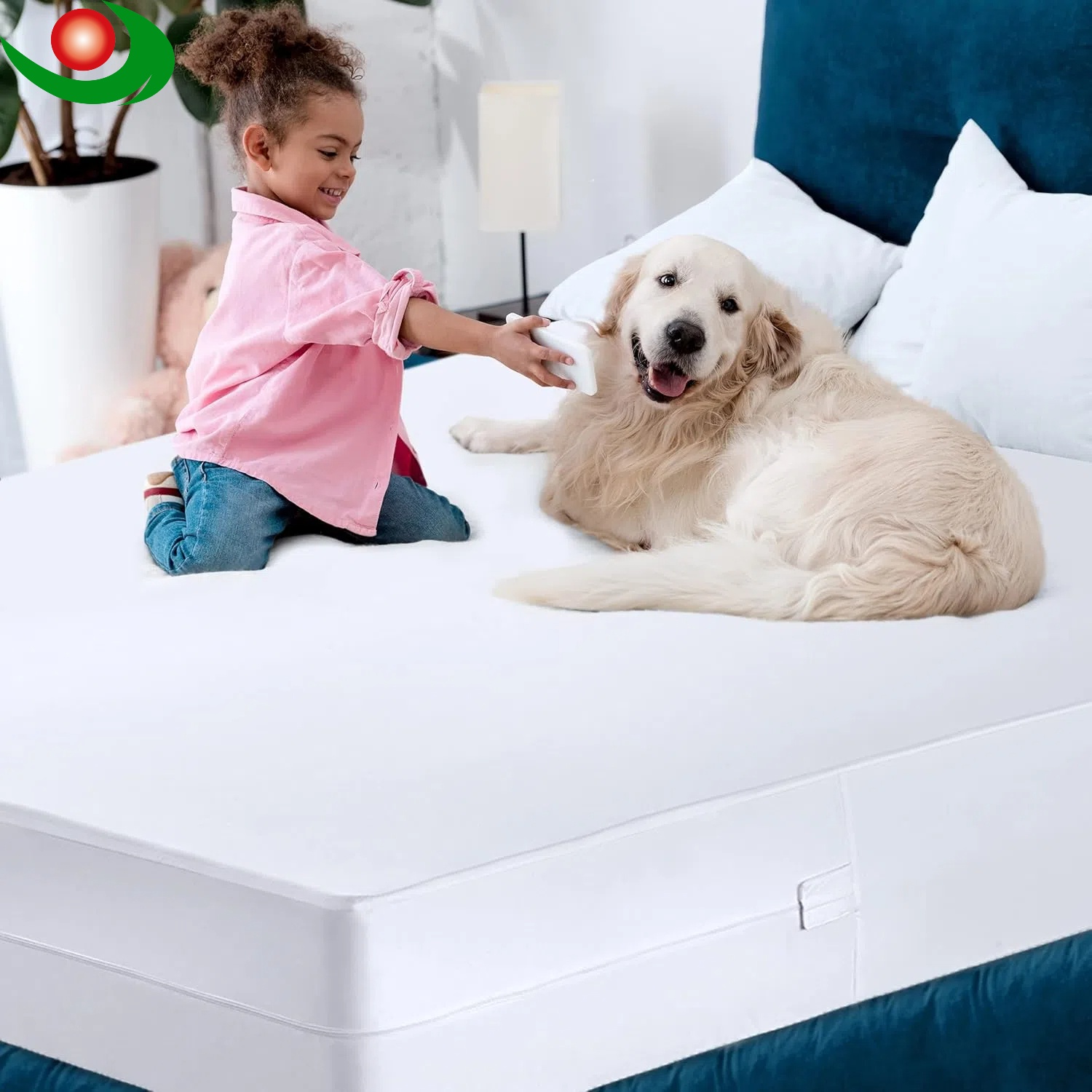
Easy Maintenance, Long-Term Payoff
One of the most practical reasons to use a plastic mattress protector? It’s easy to clean. Strip it off, toss it in the wash, and your bed stays fresh. Meanwhile, the mattress itself — something you can’t wash — stays pristine.
What to Look for When Buying
Not all protectors are the same. When shopping for one, consider:
-
Size: Make sure it fits snugly — full size plastic mattress protector for full beds, and so on.
-
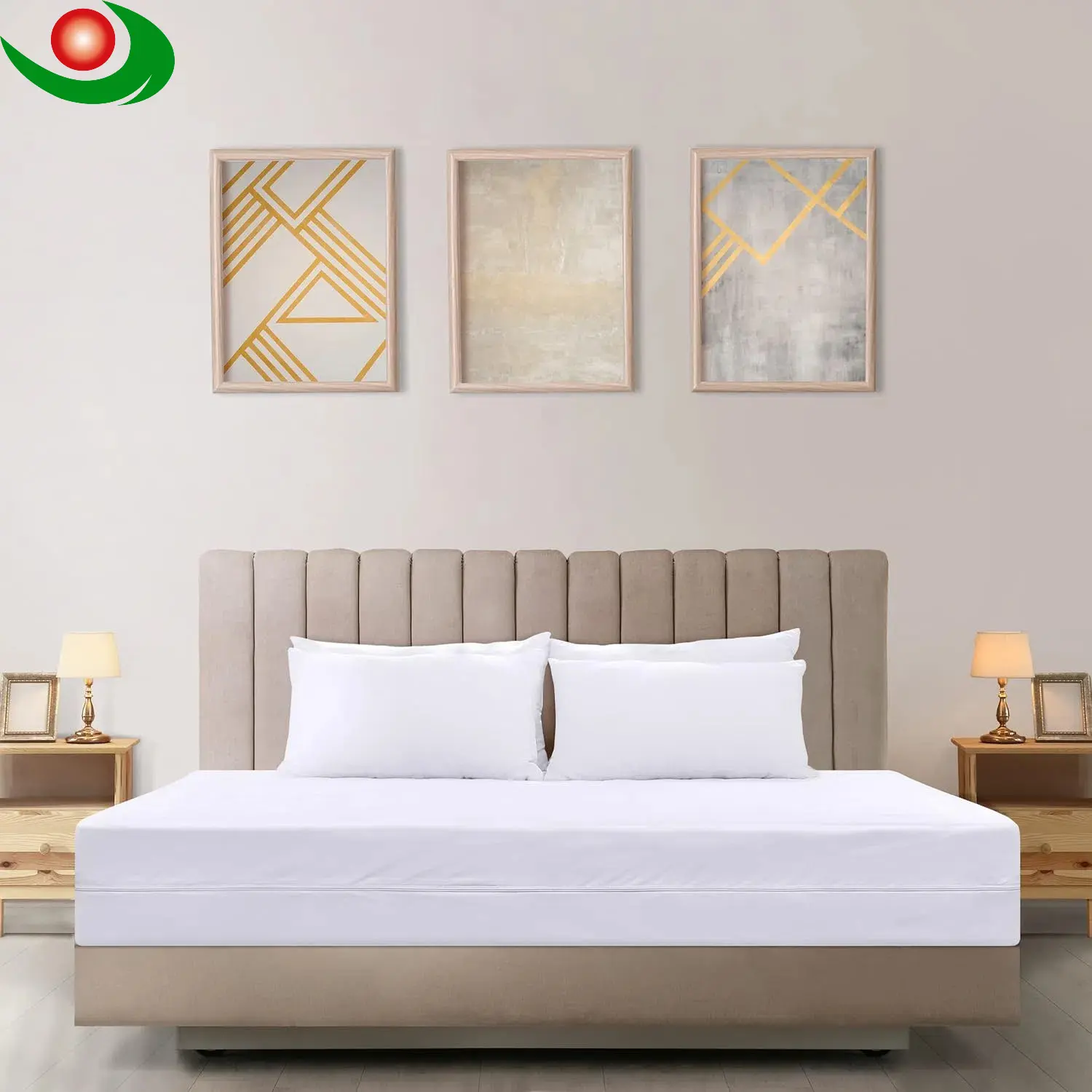
Zippered or fitted: Zippered covers offer full encasement, ideal for allergens and bed bugs.
-
Noise: Look for "quiet" or "noiseless" on the label.
-
Comfort layer: A thin fleece or jersey top can make it feel more like a sheet.
-
Certifications: Some are OEKO-TEX certified to ensure they're free from harmful chemicals.
Bottom Line
So, are mattress protectors really necessary? If you care about the longevity of your mattress, the cleanliness of your bed, and even your health, the answer is yes — especially a plastic protective mattress cover that gives you full waterproof protection.
You might not see it every night, but it’s working for you in the background — keeping your bed clean, dry, and allergy-free.
It’s a small purchase that quietly saves you a lot of trouble.