Detailed Scientific Introduction to PEVA Shower Curtains
PEVA Shower Curtains, made from polyethylene-vinyl acetate (PEVA) material, are a common bathroom essential. Below is a detailed scientific overview:
- Introduction to PEVA Material
Composition: PEVA is a copolymer of polyethylene (PE) and vinyl acetate (VA). It is environmentally non-toxic, chlorine-free (unlike PVC shower curtains), and partially degradable.
Key Features:
- Odorless: Almost free of plastic odor compared to PVC shower curtains.
- Soft and Durable: Features a soft texture with excellent tear resistance.
- Waterproof and Mildew-Resistant: Its dense surface resists water penetration, and some products are treated for enhanced mildew resistance.
- Advantages of PEVA Shower Curtains
- Eco-Friendly and Safe: Free of harmful substances like phthalates and heavy metals, making it suitable for households, especially those with children or pregnant individuals.
- Lightweight and Convenient: Easy to hang and maintain, machine-washable or hand-washable.
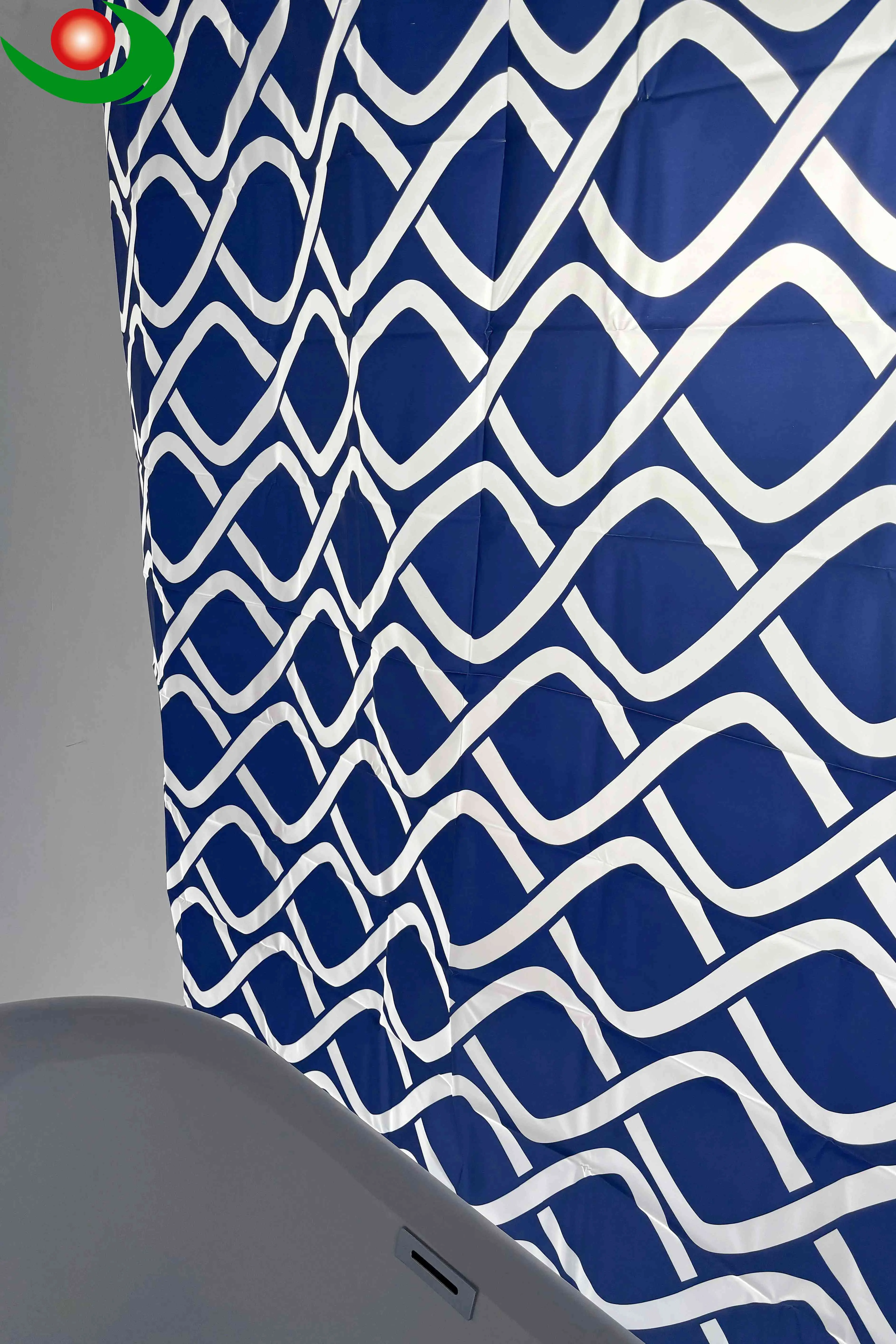
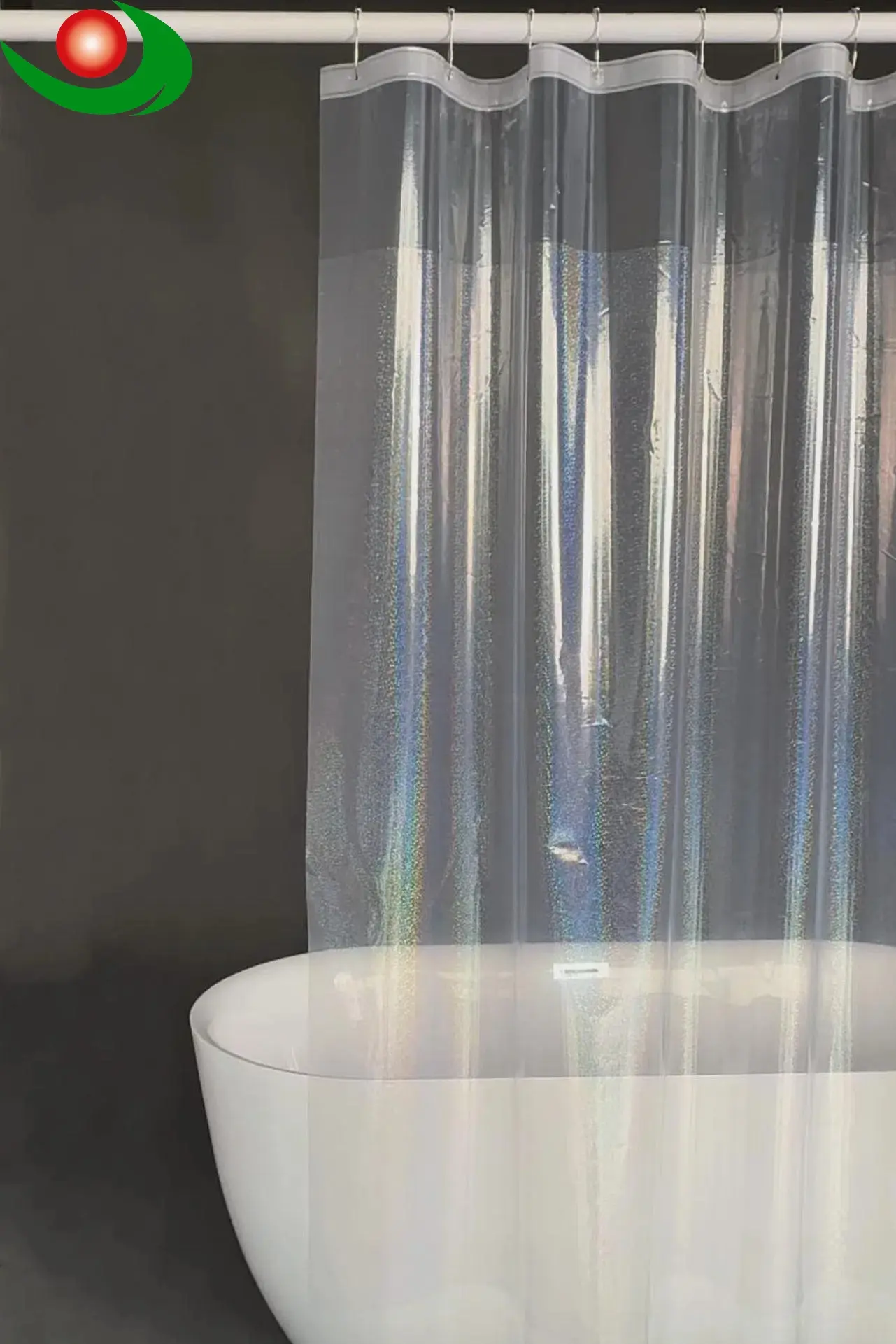
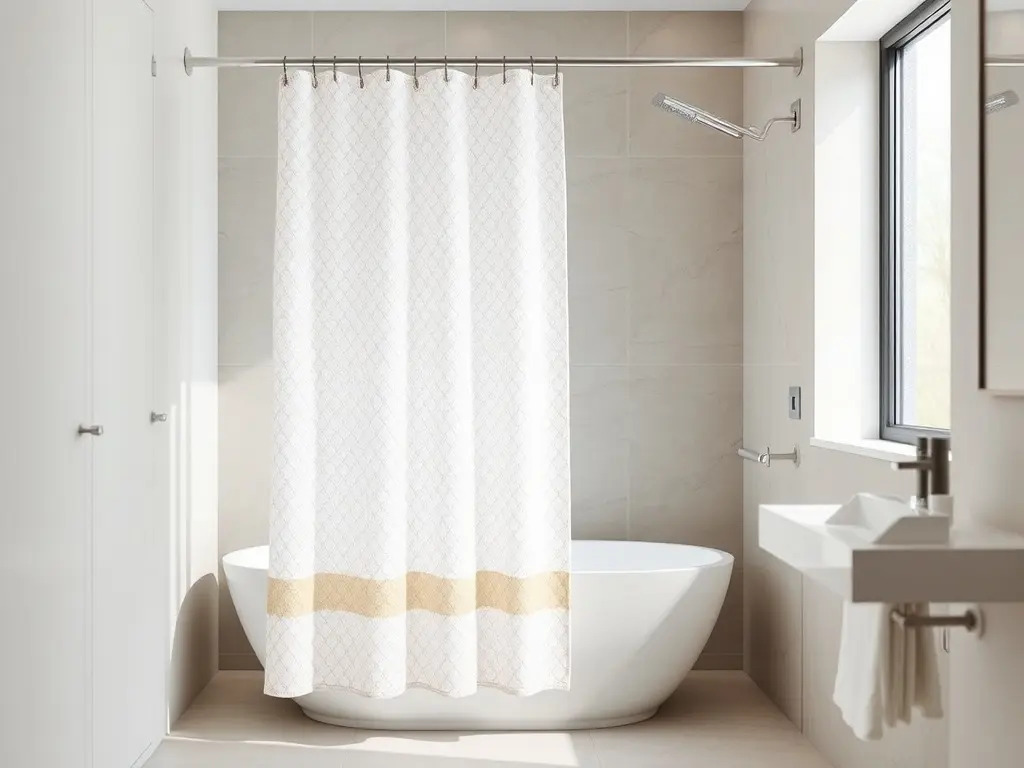
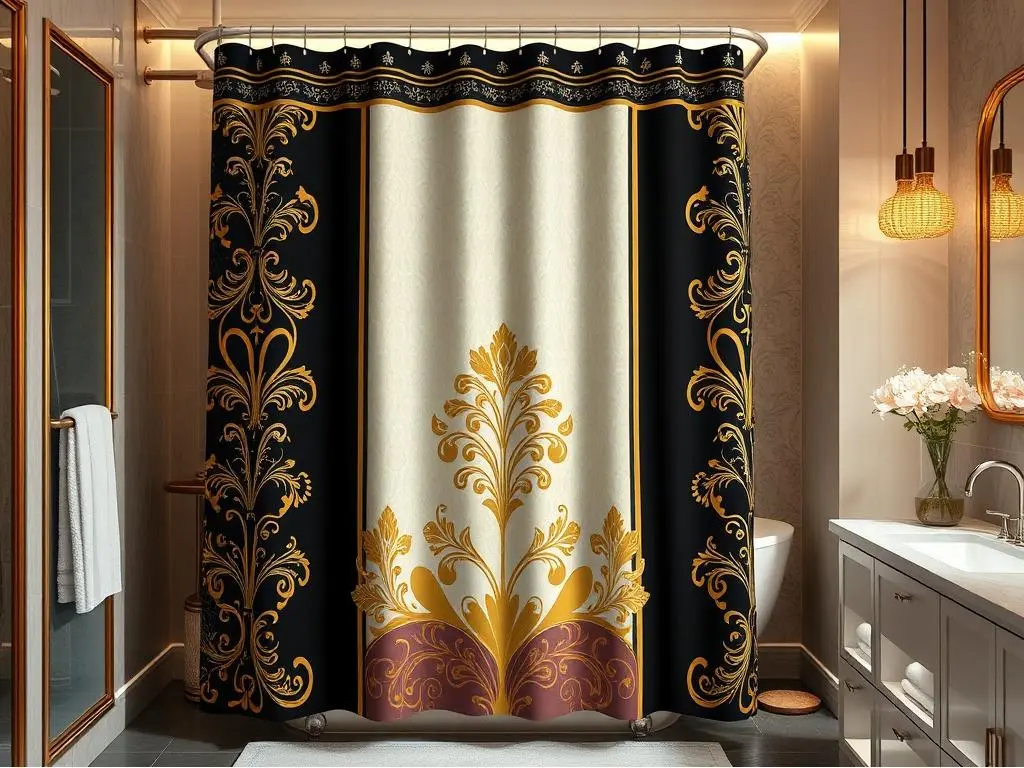
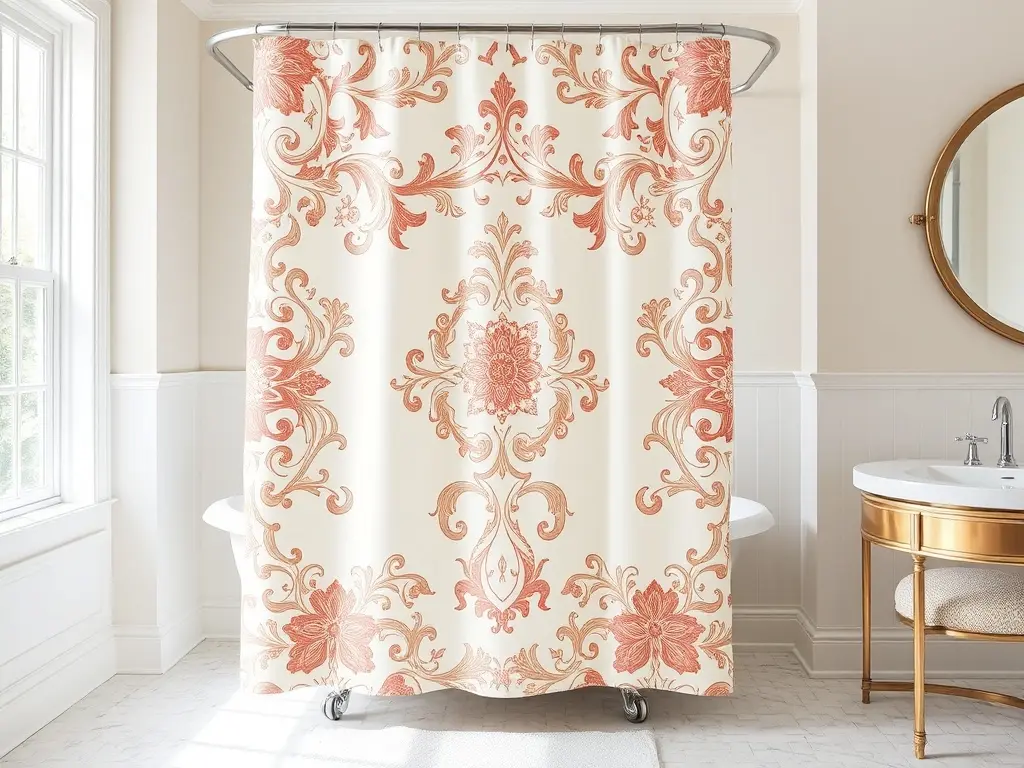
- Diverse Transparency Options: Available in fully transparent, semi-transparent, and printed designs.
- Cost-Effective: More affordable than EVA or high-end Fabric Shower curtains, offering high cost-performance.
- Disadvantages and Precautions
- Moderate Heat Resistance: Prolonged exposure to high-temperature steam may accelerate aging (normal use is unaffected).
- Thickness Variability: Thinner styles (e.g., 0.1mm) may be less durable; opt for 0.12mm or thicker.
- Mildew Prevention Requires Maintenance: Regular cleaning is essential in humid environments to avoid mold accumulation in folds.
- How to Choose PEVA Shower Curtains
- Thickness: Select 0.12–0.15mm for daily use; thickened styles (over 0.2mm) offer better durability.
- Odor Check: High-quality PEVA should be free of pungent smells—poor-quality products may contain additives.
- Certifications: Look for eco-certifications like SGS or CE.
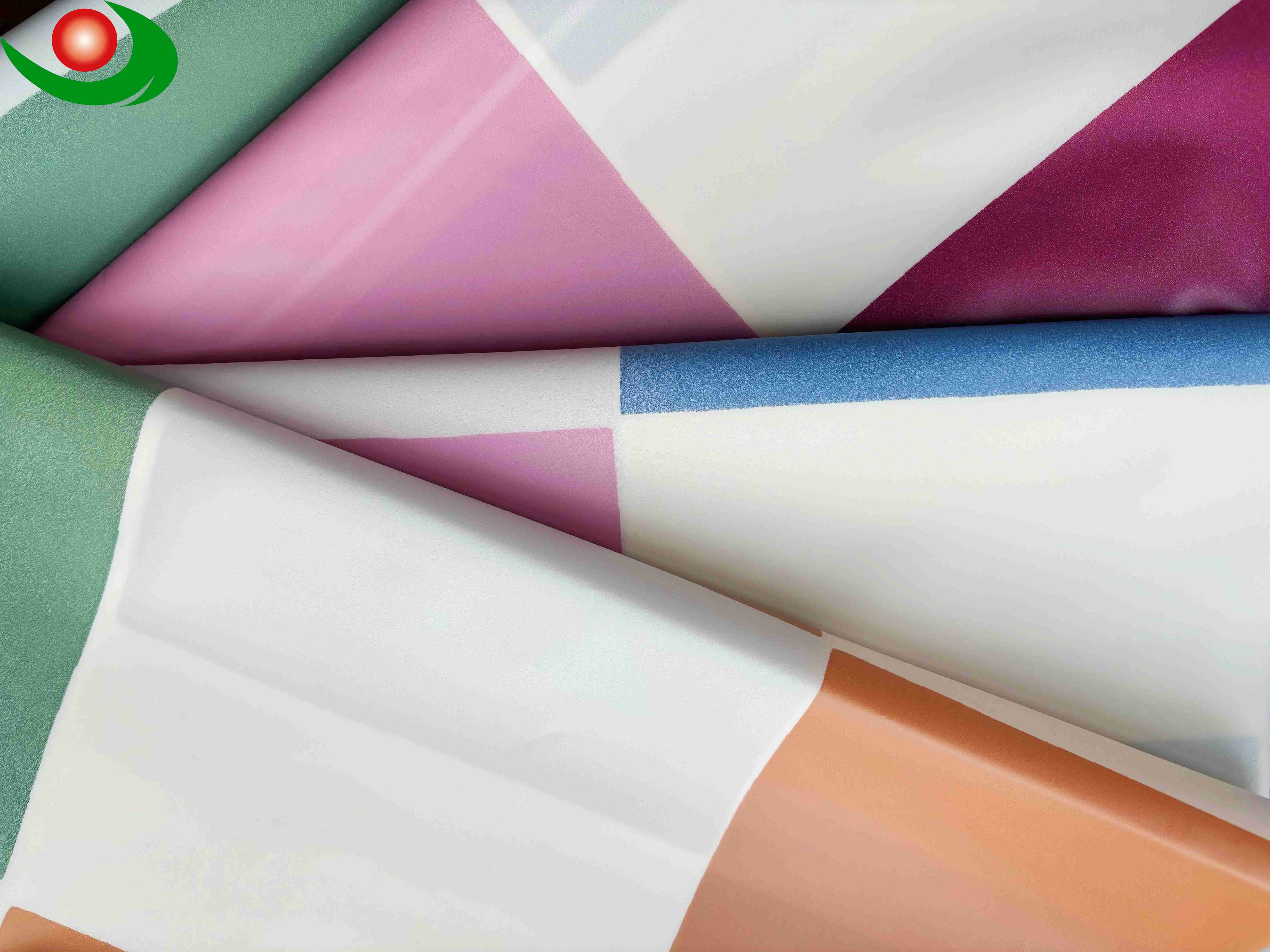
- Design: Match bathroom aesthetics with printed, solid-color, or transparent styles.
- Maintenance Tips
- Cleaning: Use neutral detergents for wiping or machine-washing (avoid high-temperature drying).
- Mildew Prevention: Keep the curtain spread out for ventilation after use; periodically spray mildew-resistant agents.
- Replacement Cycle: Replace every 1–2 years or when obvious aging/mildew appears.
- Comparison with Other Shower Curtain Materials
| Material | Environmental Friendliness | Durability | Price | Key Characteristics |
| PEVA | ★★★★☆ | ★★★☆☆ | Medium | Lightweight, odorless, degradable |
| PVC | ★★☆☆☆ | ★★★★☆ | Low | Heavy, pungent odor, may contain plasticizers |
| EVA | ★★★★★ | ★★★★☆ | High | High elasticity,abrasion-resistant , suitable for baby products |
| Polyester | ★★★☆☆ | ★★★☆☆ | Medium-High | Fabric texture, requires waterproof coating |
- Frequently Asked Questions
Q: Can PEVA shower curtains be completely mildew-proof?
A: No, but they are more mildew-resistant than PVC. Regular drying is recommended.
Q: What is the difference between PEVA and EVA?
A: EVA (ethylene-vinyl acetate) has a higher VA content, making it softer and more elastic, often used in premium shower curtains or baby products.
Q: Are PEVA shower curtains suitable for baby bathrooms?
A: Yes, they are more eco-friendly than PVC. Choose styles with no prints or food-grade ink prints.