


Eco-Friendly Bathrooms: The Rise of PVC Free Shower Curtains
If you’ve ever unwrapped a brand-new vinyl Shower Curtain, you probably remember that strong plastic smell. Most of us just put up with it, but that smell actually comes from chemicals used in PVC. After a while, many people started asking—is there a safer, healthier option? That’s where the PVC free shower curtain comes in.
These days, more homeowners are making the switch. It’s not only about getting rid of the chemical odor—it’s also about choosing products that are safer for families and better for the environment.
Why People Are Moving Away from PVC
PVC has been around forever because it’s cheap and waterproof. But the downside is the toxins it can release, especially when the curtain is new. Those fumes, known as VOCs, can hang in the air and aren’t exactly what you want in a small space like your bathroom.
A PVC free shower curtain avoids that problem. Instead of PVC, brands are using safer materials—things like PEVA, EVA, polyester, or even cotton. That means no chemical cloud when you take it out of the package, and no long-term off-gassing. A lot of families with kids or allergy concerns now look specifically for a non toxic shower curtain liner for peace of mind.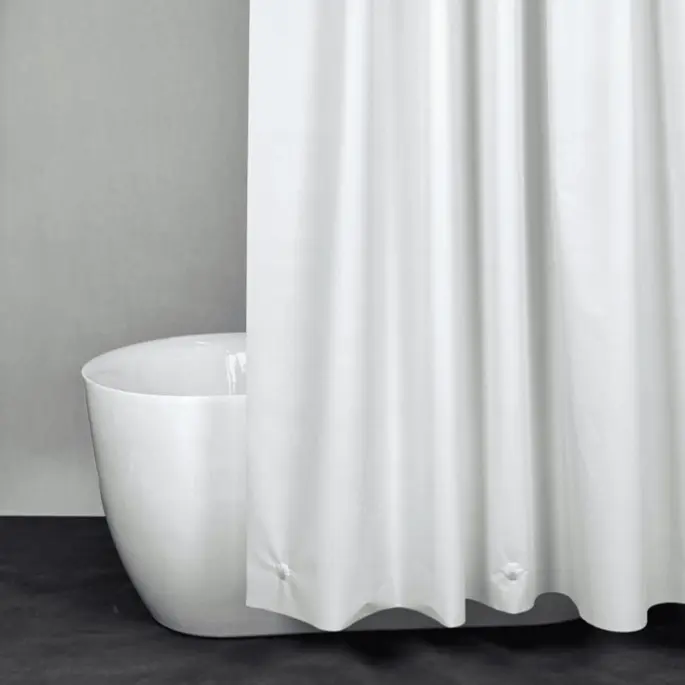
What Makes Them Better
The first thing you notice is the lack of smell. But there are other benefits too. A polyester curtain, for example, can go straight into the washing machine when it needs a refresh. A PEVA curtain can be wiped down in minutes. Both resist mold better than old-school vinyl.
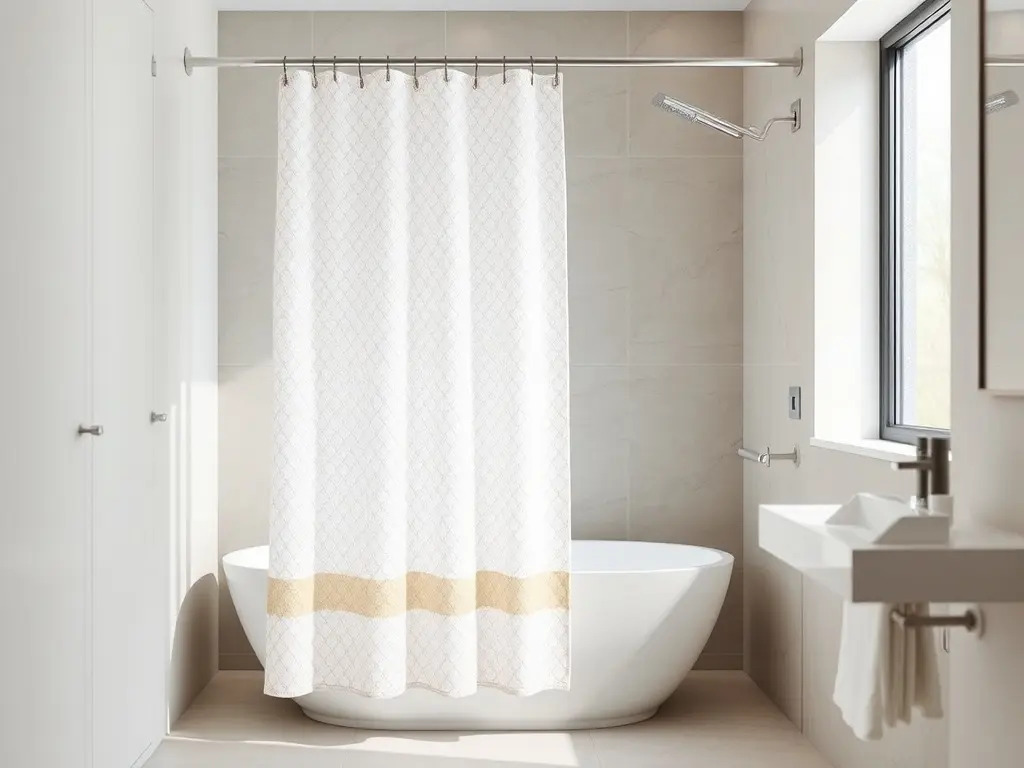
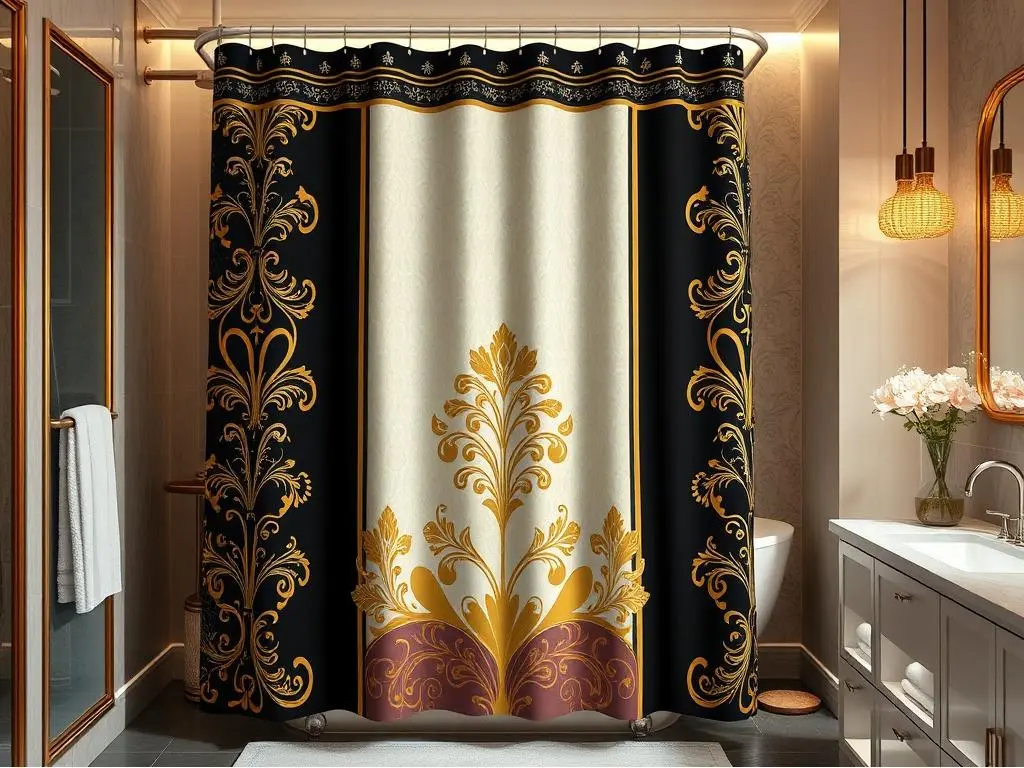
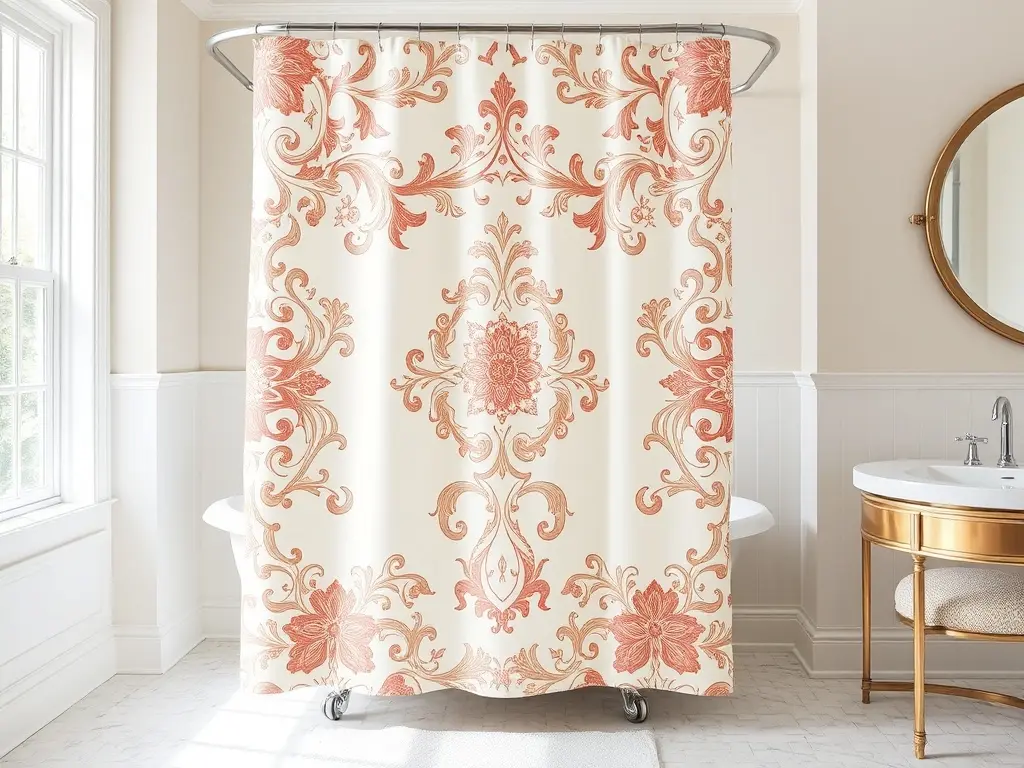
Plus, you’ve got more choice in looks than ever. From plain white to bold patterns, eco friendly shower curtains don’t look “alternative” anymore—they look just as stylish as anything else on the market.
Materials You’ll See
-
PEVA and EVA: Think of them as the greener cousins of vinyl. Waterproof, lightweight, and chlorine-free.
-
Polyester: Durable, washable, and a great pick if you want something that lasts.
-
Cotton: Not waterproof on its own, but if you pair it with a liner, it feels natural and adds warmth to the bathroom.
All of these count as safer, non toxic shower curtain options, and they cover different needs depending on what you value most—low maintenance, natural fibers, or durability.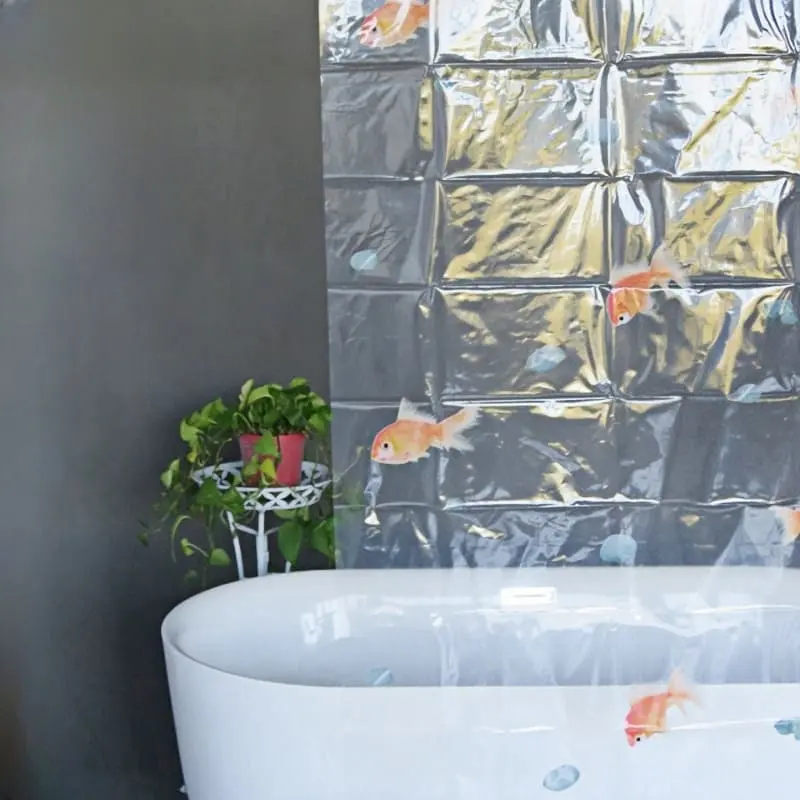
The Eco-Friendly Side
It’s not just about health. Traditional PVC curtains end up in landfills, where they sit for decades. Many PVC free shower curtains are easier to recycle or at least last longer so you’re not replacing them as often. If you choose a washable fabric curtain, you can keep it fresh for years instead of throwing it out after a few months. That’s better for your wallet and the planet.
Who’s Making the Switch
It’s not only homeowners. A lot of hotels and rentals are switching to PVC free shower curtains too. Guests notice when a bathroom feels fresh and free of chemical odors, and for businesses, that small detail can really improve the experience. It also lines up with the growing demand for eco-friendly hospitality.
Things to Keep in Mind
If you’re shopping for one, here are a few quick tips:
-
Double-check the label—it should clearly say PVC-free.
-
If you like easy cleaning, go with a polyester shower curtain liner.
-
If you want something natural, cotton is a good pick, just add a waterproof liner.
-
Match it to your style—there are enough patterns out there now that you don’t have to compromise on looks.
Wrapping Up
A PVC free shower curtain might feel like a small change, but it really can make a difference. You’re cutting out toxins from your bathroom, improving air quality, and supporting eco-friendly products. Whether you pick PEVA, polyester, or cotton, the end result is the same: a safer, fresher, and more sustainable bathroom.
Sometimes “going green” feels overwhelming, but this is one of those easy swaps. Change the curtain, breathe easier, and enjoy the fact that your home is just a little bit healthier.