








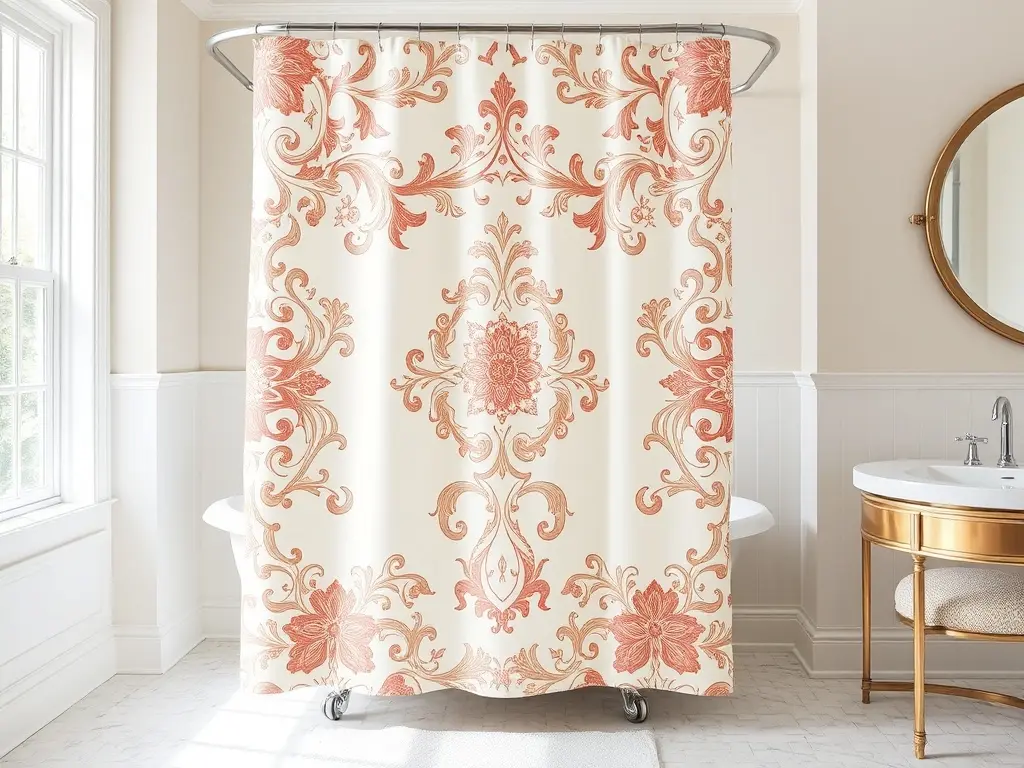


How Often Should You Replace a Plastic Shower Curtain?
If you’ve ever stepped into your bathroom and noticed a funky smell or a little mold creeping along the edge of your Shower Curtain, you’re definitely not alone. Aplastic shower curtain is one of those household items we don’t think much about until it starts looking—well, less than fresh. But here’s the thing: even though it seems harmless, keeping an old or dirty curtain hanging for too long can actually affect your bathroom hygiene and even your health.
So how often should you replace a plastic shower curtain, and how can you make it last longer? Let’s break it down in a simple, real-world way.
Why Plastic Shower Curtains Are So Popular
Before we get into cleaning and replacing, it’s worth mentioning why plastic shower curtains are still one of the most common choices in bathrooms worldwide.
They’re affordable, easy to clean, and usually waterproof right out of the package. Compared to a Fabric Shower curtain, a plastic one doesn’t absorb water, which means it dries faster and helps prevent mildew buildup. They’re also lightweight and come in endless colors and patterns, from clear minimalist styles to fun prints that match your bathroom décor.
For people who prefer practicality over luxury, a plastic shower curtain liner is often the go-to solution.
The Dirty Truth: Why Shower Curtains Get Gross So Fast
Let’s be honest—our bathrooms are the perfect environment for mold and bacteria to grow. Warm air, moisture, and limited airflow make it a paradise for unwanted grime. Even the best mold-resistant shower curtain will eventually start to show signs of wear if it’s not cleaned regularly.
When soap scum, shampoo residue, and body oils accumulate on your curtain, it becomes sticky, discolored, and sometimes even smelly. You might start to see black spots near the bottom or along the folds—clear signs that it’s time for a deep clean or replacement.
How Often Should You Replace a Plastic Shower Curtain?
There’s no one-size-fits-all answer, but here’s a good general rule:
Replace your plastic shower curtain every 6 to 12 months.
If your bathroom gets used daily or by multiple people, aim closer to six months. However, if you’re diligent about cleaning your curtain and keeping the area dry, you can stretch that to a year or even longer.
You should also consider replacing it sooner if:
-
You notice visible mold or mildew that doesn’t wash off.
-
The curtain has a persistent odor even after cleaning.
-
The material becomes brittle or tears easily.
-
It looks cloudy or yellowed despite washing.
These are clear signs that your curtain has reached the end of its lifespan.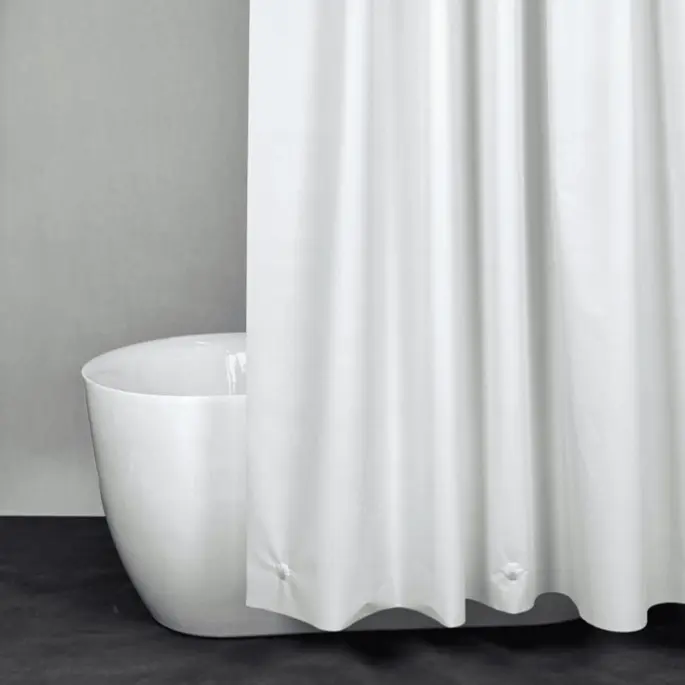
How to Clean a Plastic Shower Curtain (and Extend Its Life)
If you’re not ready to toss your curtain just yet, the good news is you can clean most plastic shower curtains pretty easily.
Here’s how:
-
Use your washing machine.
Toss the curtain (and the plastic shower curtain liner, if you use one) into the washer with a couple of towels. Add mild detergent and a cup of baking soda. Run it on a gentle cycle with warm water. -
Add vinegar for extra power.
During the rinse cycle, pour in half a cup of white vinegar to kill bacteria and remove soap scum. -
Air dry.
Hang it back on the rod to dry naturally. Avoid the dryer—it can warp or melt the plastic.
If you prefer a quicker option, you can also wipe it down with a mix of vinegar and dish soap every week or so. Regular cleaning not only keeps it looking new but also helps you go longer between replacements.
Choosing the Right Type of Plastic Shower Curtain
Not all plastic curtains are created equal. If you’re buying a new one, pay attention to the material.
Here are the most common types:
-
PVC Shower Curtain: Cheap and widely available, but can release chemical odors (not ideal for sensitive users).
-
PEVA or EVA Shower Curtain: These are eco-friendly shower curtain materials—non-toxic, odor-free, and better for the environment. They’re just as waterproof as PVC but safer and more sustainable.
If you’re environmentally conscious or sensitive to smells, a PEVA shower curtain liner is the way to go.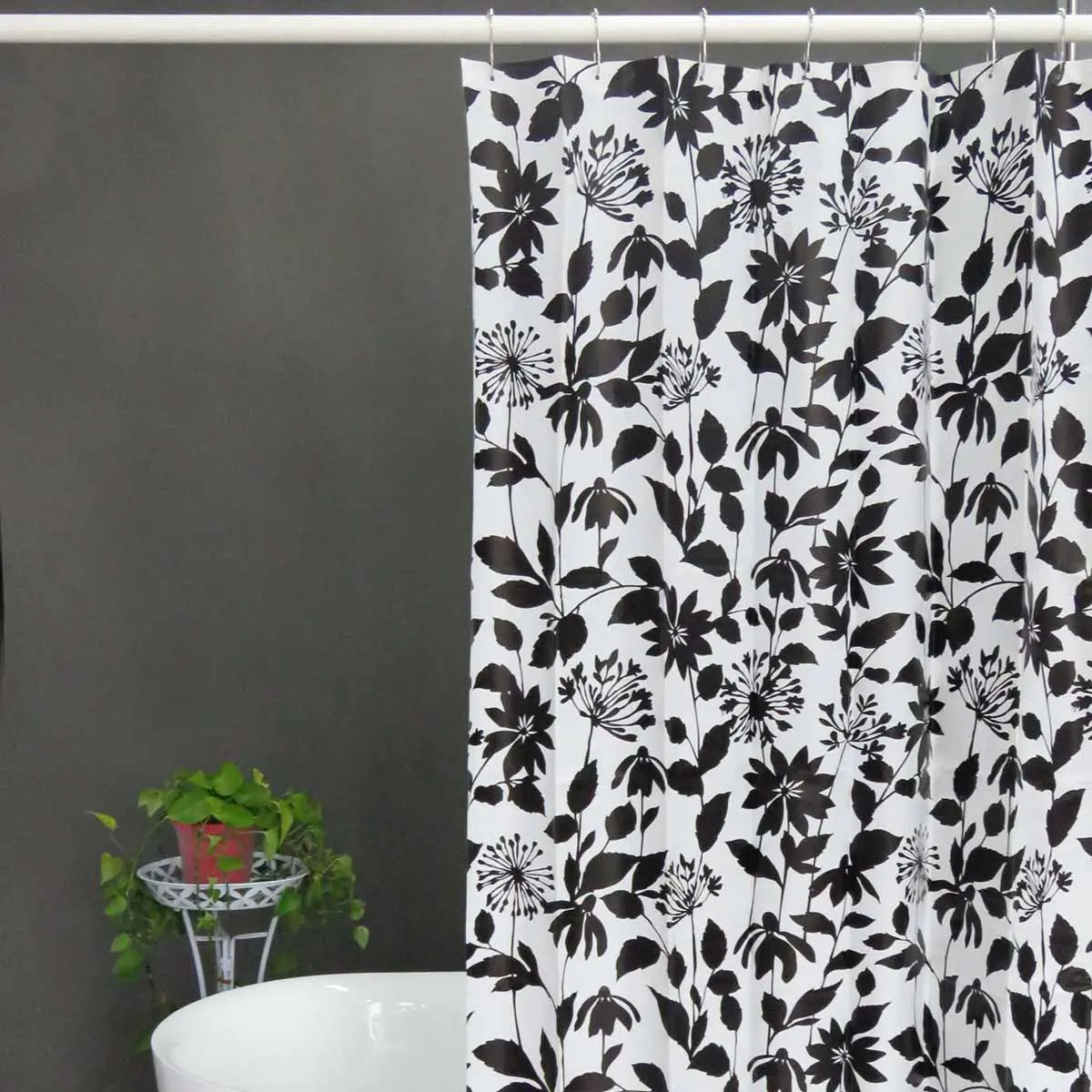
Signs It’s Time for a New Shower Curtain
Even if you clean regularly, there will come a point when your shower curtain simply looks tired. Here are a few subtle signs that it’s time to replace it:
-
The curtain feels sticky even after washing.
-
You can’t get rid of stains or discoloration.
-
It curls at the edges or doesn’t hang straight.
-
You’re constantly fighting mildew.
At that point, it’s better to just invest in a fresh, mold-resistant shower curtain rather than spending hours scrubbing an old one.
Keep Your Bathroom Healthier
A clean shower curtain may not seem like a big deal, but it plays a bigger role in your overall bathroom hygiene than most people realize. Mold spores and bacteria from a dirty curtain can circulate through your bathroom air and even affect people with allergies or asthma.
Replacing it on time and cleaning it regularly is one of the simplest ways to keep your space fresh and safe.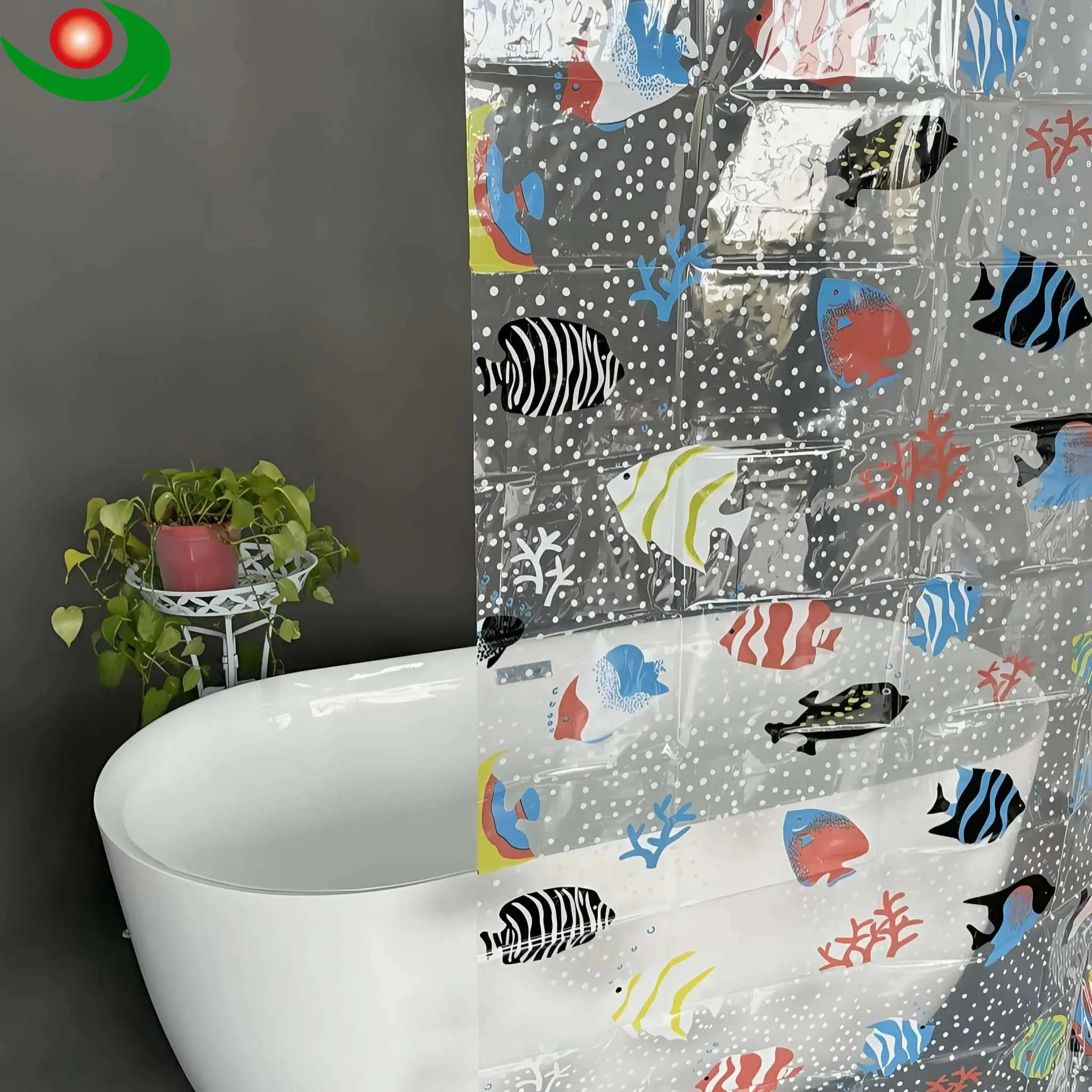
Quick Tips to Make Your Plastic Shower Curtain Last
-
Keep the bathroom well-ventilated. Open a window or use an exhaust fan after every shower.
-
Stretch the curtain out fully after use. It helps it dry faster and prevents moisture from settling in folds.
-
Use a double setup. Pair a plastic shower curtain liner inside with a decorative outer curtain. The liner takes the damage, and you can replace it easily without changing your entire setup.
-
Wipe it down weekly. It only takes a few minutes but saves you from having to deep clean later.
Final Thoughts
A plastic shower curtain might not be the most glamorous part of your bathroom, but it’s definitely one of the most practical. By keeping it clean and knowing when to replace it, you can maintain a fresher, healthier space with minimal effort.
So, the next time you notice that musty smell or those little black dots—don’t ignore them. Give your shower curtain a good wash, or better yet, treat yourself to a brand-new eco-friendly shower curtain that’ll make your bathroom look and feel instantly refreshed.