



Washable Mattress Protector vs Waterproof Pads: What’s Better?
Most people buy a Mattress Protector and don’t think about it again—until something spills, a stain appears, or it starts to smell a little “lived in.” That’s when the real difference between a washablemattress protectorand a regular Waterproof Pad shows up. One is built for everyday life, the other is more of an emergency tool.
If you’re choosing between the two, here’s a clear, practical guide from the point of view of someone who’s been through kids, pets, Airbnb guests, and late-night coffee accidents.
What a Mattress Protector Actually Does
Before comparing, it helps to understand the purpose. A mattress protector sits between your sheet and your mattress. Its job is simple:
-
keep moisture out,
-
block stains and dust,
-
avoid odors soaking into memory foam,
-
and extend mattress life.
Most people think of it as waterproofing only. But a good mattress protector also ensures you’re sleeping on a cleaner surface—it limits dust mites, skin flakes, and allergens.
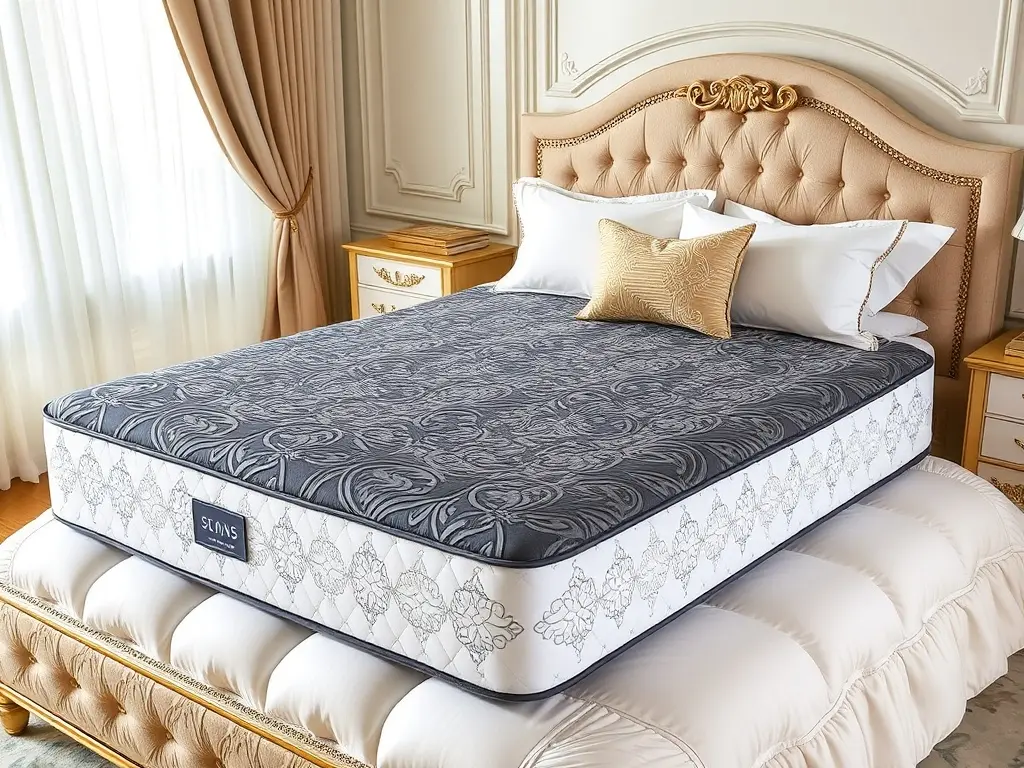
This is where a washable mattress protector truly matters: it’s made to be cleaned often.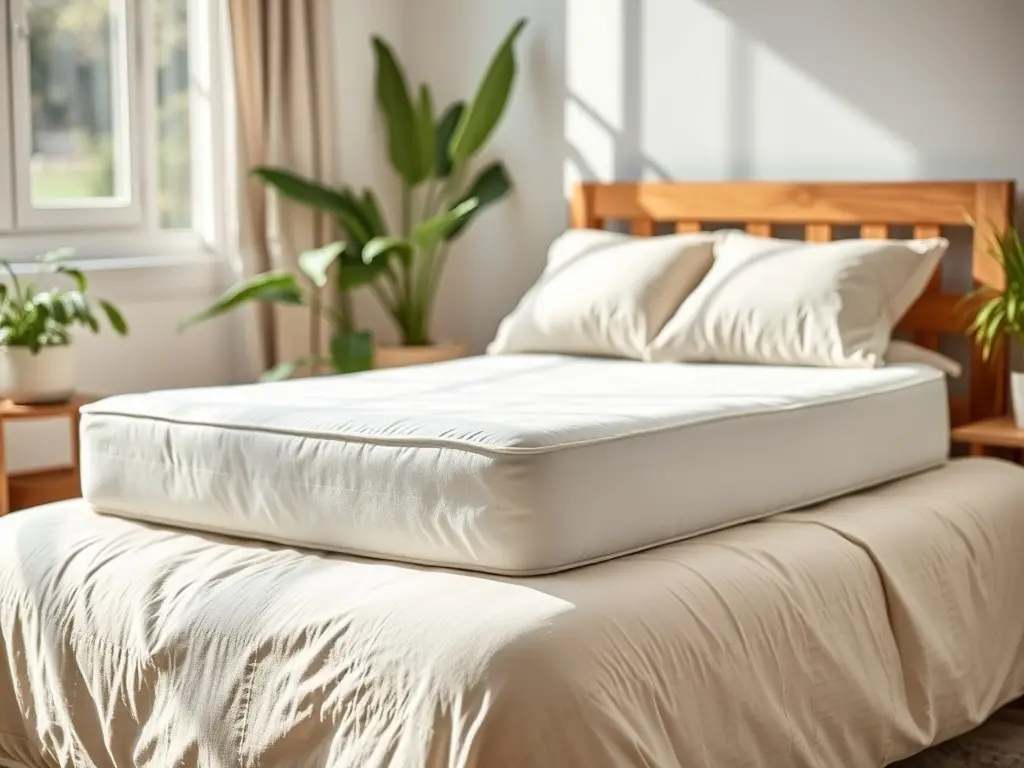
Washable Mattress Protector: Built for Real Life
The keyword here is washable. Not “wipe-clean.” Not “spot treat.” Actually washable, like machine washable, tossed in the laundry without worrying about peeling waterproof layers or crinkling sounds afterward.
Why People Prefer It
-
You can wash it weekly with your sheets
-
No plasticky feel under your bedding
-
No “hot blanket” feeling in summer
-
Fewer odors because sweat doesn’t sit inside
-
Better for kids, pets, Airbnb use
A washable mattress protector usually uses a multi-layer design: soft fabric on top, breathable waterproof membrane inside, and elasticized edges to stay tight. Many use cotton or bamboo blends because they’re naturally breathable.
This matters a lot if you sleep hot, or if you have a foam mattress that traps heat.
Waterproof Pads: A Quick Fix, Not a Long-Term Tool
A waterproof pad tends to be a cheaper add-on. It’s mostly used for temporary situations:
-
guest rooms,
-
travel,
-
medical needs,
-
or protecting beds during potty training.
Pads are usually:
-
smaller, covering only the middle area,
-
not washable in the same way (the layer breaks down faster),
-
and not breathable.
They work. They stop the liquid. But they’re not really designed for long-term comfort. Many people use them when needed and take them off after.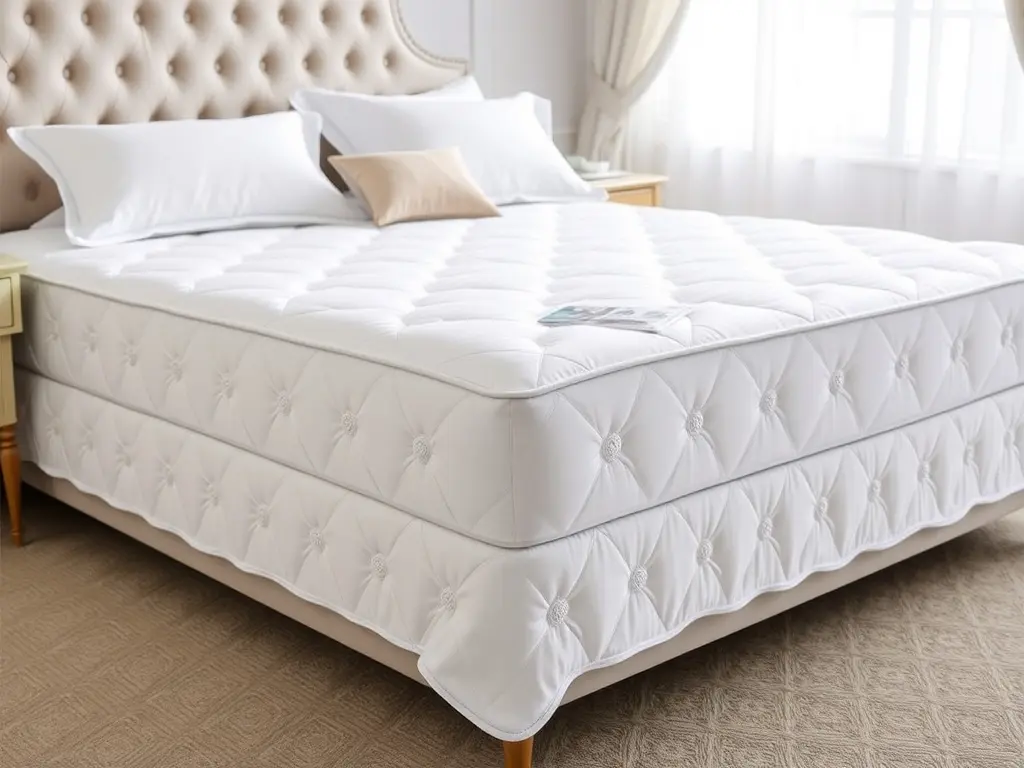
Comfort: Where the Differences Show
If you’ve ever slept on a pad that crinkles every time you move, you already know the problem. A cheap waterproof layer creates noise and a sticky feeling—especially in warm climates.
A breathable washable mattress protector avoids that. The difference is in the materials. Cotton, bamboo, and knit polyester stretch with your bedding. The membrane inside is thin—waterproof, but not plastic-like.
For adults, especially sweaty sleepers, the choice is easy: a protector makes the bed feel normal.
For kids, pads make more sense when the goal is preventing daily accidental leaks, not long-term comfort.
Hygiene: Washability Wins
Let’s talk about cleaning, because this is what really separates them.
Washable Mattress Protector
-
goes into the washing machine
-
can be tumble-dried
-
stays soft afterward
-
no peeling/flaking waterproof surface
-
can be washed every 1–2 weeks
A protector that can’t be washed easily becomes the thing you avoid touching. But your mattress collects sweat, body oil, and skin cells every night. Washing doesn’t just clean your bed—it also helps people with allergies, eczema, or sensitive skin.
Waterproof Pad
-
usually spot cleaned
-
machine wash may damage waterproofing
-
doesn’t handle frequent laundry
-
not ideal under daily use
Most pads use vinyl coatings or thin plastic layers. After a few washes, they crack.
So if cleanliness matters, the washable version always wins.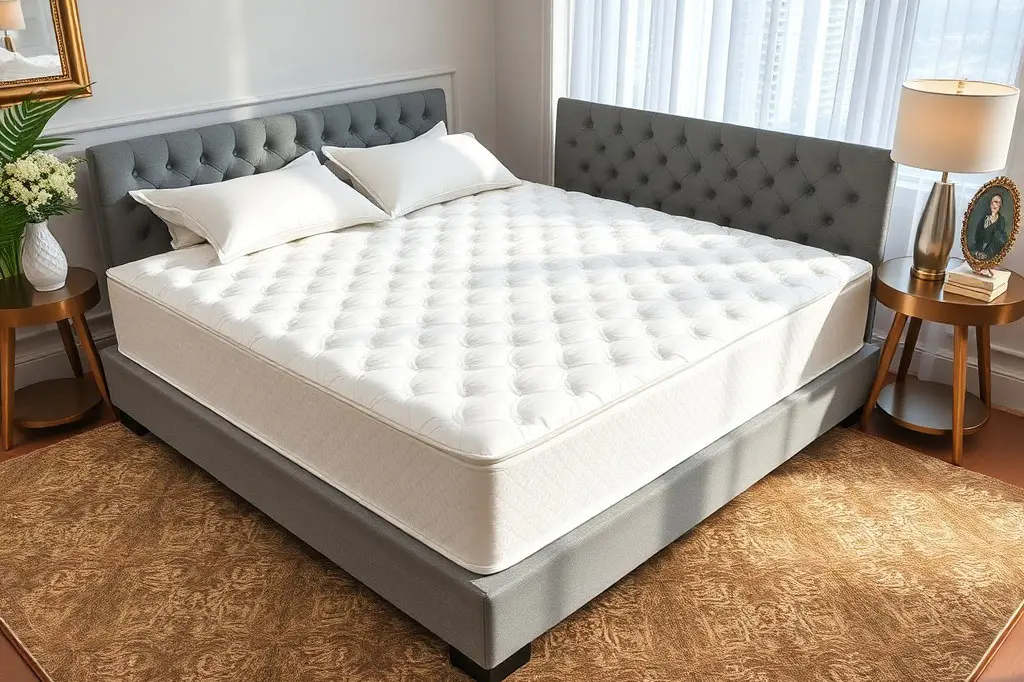
Durability and Cost Over Time
Pads look cheaper at checkout. But if you need something daily, the math changes.
Cost View
-
You might replace a waterproof pad every few months if you wash it often.
-
A good washable mattress protector lasts 1–3 years, even with weekly cleaning.
Spend once, not five times.
Hotels and Airbnb hosts figured this out long ago. That’s why they use washable mattress protectors. Guests spill wine, kids bring juice boxes, people sleep sweaty in summer—but laundry fixes everything.
Who Should Choose What?
Different situations call for different solutions.
A Washable Mattress Protector Is Better If:
-
you want a cleaner bed,
-
you wash bedding regularly,
-
you sleep hot,
-
you have pets on the bed,
-
you care about allergens,
-
you use memory foam,
-
you rent out your guest room.
It’s a practical, everyday product. You don’t even notice it once sheets go on.
A Waterproof Pad Works If:
-
you’re potty training,
-
protecting a bed temporarily,
-
need something cheap,
-
don’t plan to wash often,
-
want a travel solution,
-
have an elderly care situation.
Pads are good backups, but they’re not full-time bedding.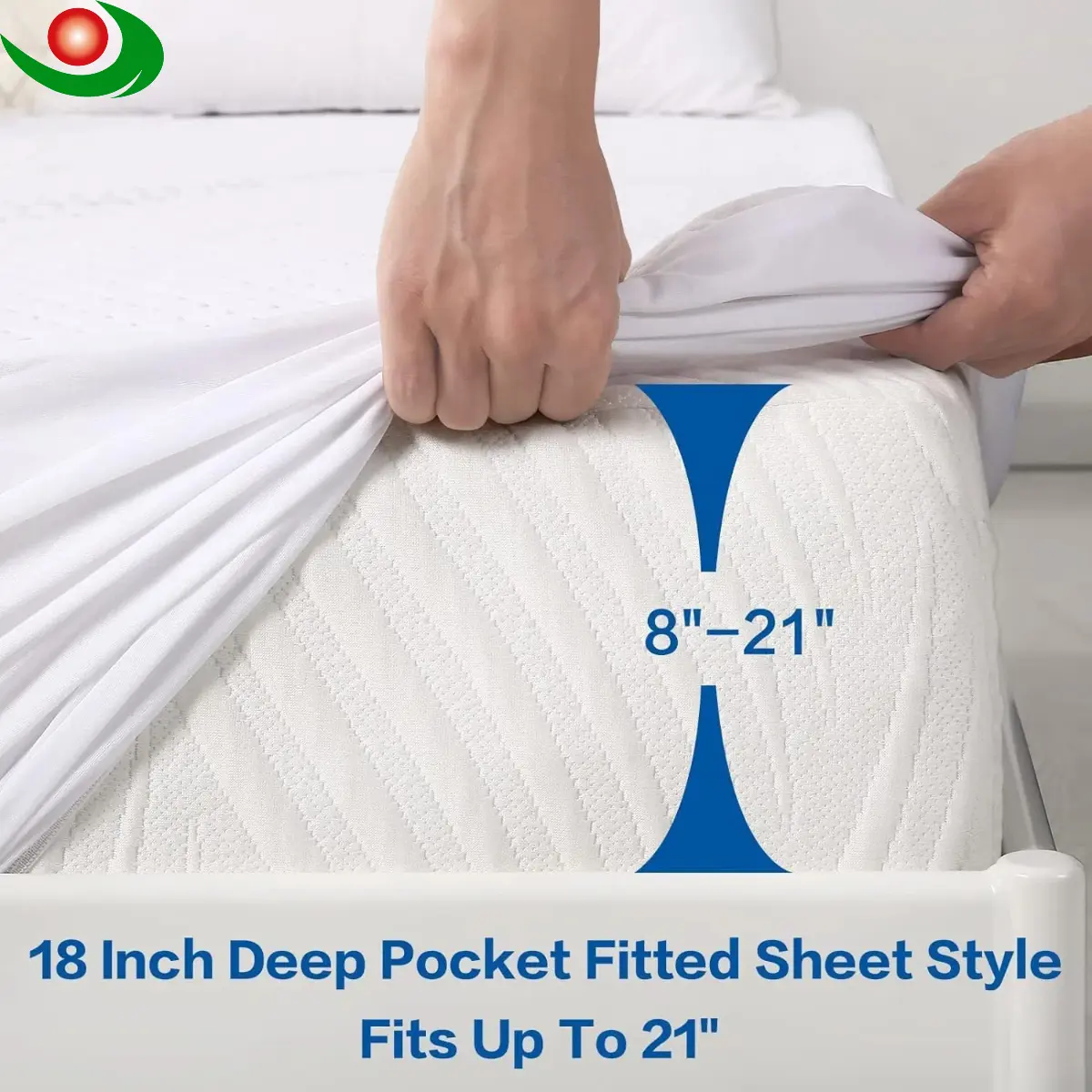
Material Differences That Matter
When shopping for a washable mattress protector, look at the fabric. The best options use these materials:
-
Cotton: soft, breathable, familiar feel
-
Bamboo: moisture-wicking, cool in summer
-
Poly knit: stretchy fit, durable washing
Then check the waterproof layer:
-
TPU membrane (silent, thin, flexible)
-
avoid PVC/vinyl (hot, noisy, not eco-friendly)
Also check the fit: a deep pocket mattress protector matters if you have a thick mattress, pillow-top, or foam topper.
Does a Mattress Protector Change the Feel of the Bed?
Good ones don’t. If you buy a washable mattress protector, you shouldn’t feel bumps, plastic, or stiffness. The point is to protect without reminding you it exists.
In fact, some protectors add a soft layer that makes older mattresses feel a bit more plush.
Pads, on the other hand, almost always change the feel. They’re meant to sit on top, not disappear under sheets.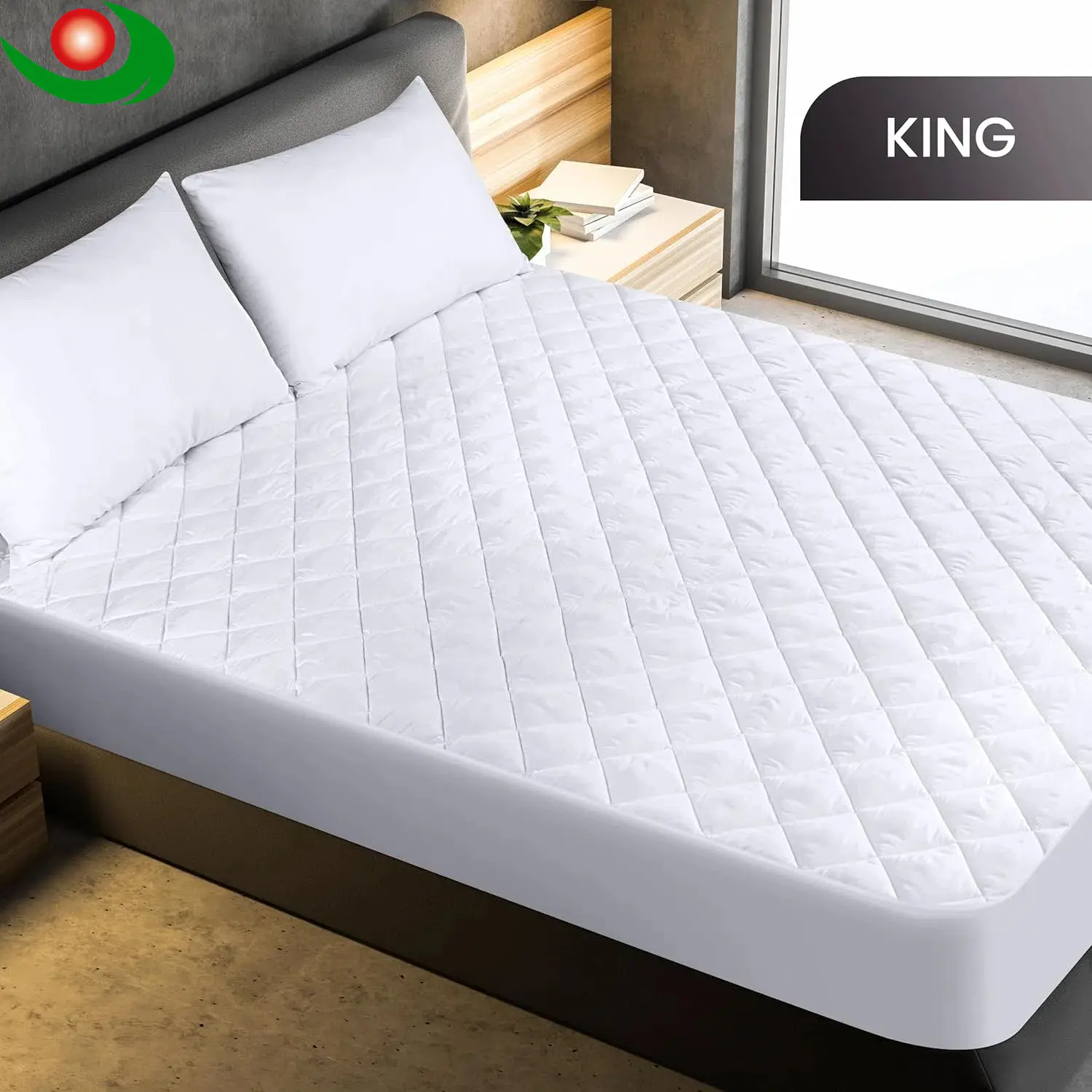
Final Recommendation
If you’re deciding for a normal household, a washable mattress protector is the smarter long-term choice. It’s cleaner, more comfortable, and built for real life.
A pad is useful in specific moments, but for daily sleeping, it’s like comparing a rain poncho to a real jacket—you can wear both, but only one feels good every day.
In short:
-
Mattress protector: full-time bedding protection
-
Waterproof pad: emergency protection
Choose based on how you live, not the price tag on the packaging.