2026 Best Toile Shower Curtains for Global Buyers
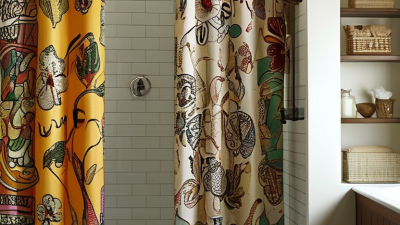
The 2026 Best Toile Shower Curtains for Global Buyers guide examines a small bathroom product with significant design and sourcing complexity. A toile pattern can resemble a quiet European garden, with printed vines, pastoral figures, or faded architectural scenes. Yet visual appeal is only one buying factor. Fabric weight, water resistance, stitching, odor, packaging, and installation must also perform reliably.
Market data supports closer scrutiny. Textile Exchange’s Materials Market Report 2024 states that global fiber production reached approximately 124 million tonnes in 2023. It may rise to about 160 million tonnes by 2030. This growth increases pressure on brands to explain fiber origins, recycled content, and end-of-life options. The Global E-waste Monitor is not directly focused on textiles, but it reinforces a broader lesson: waste reporting needs clearer product information. Bathroom textiles deserve the same discipline.
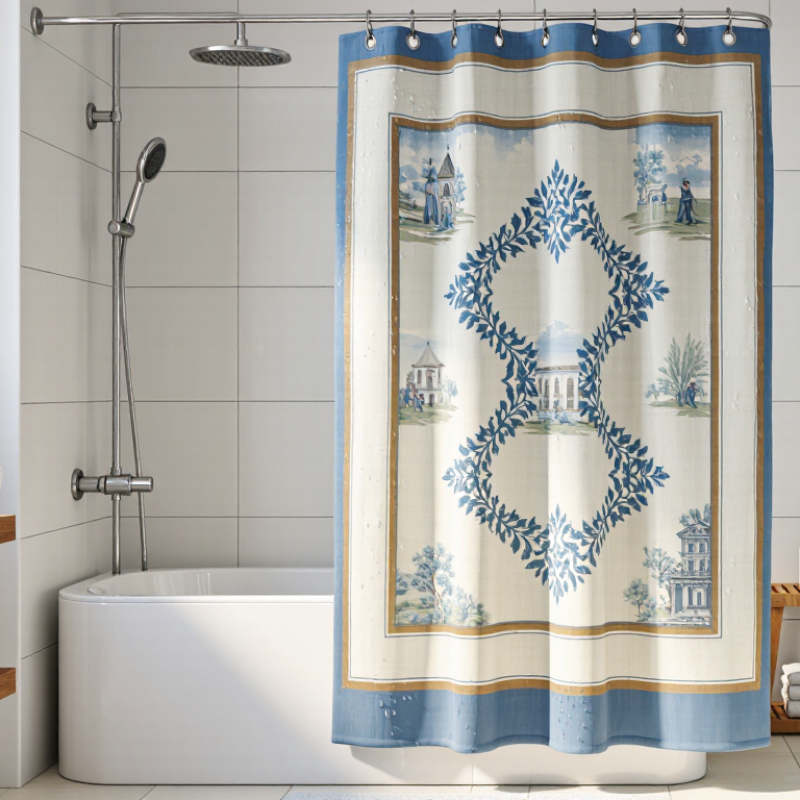
For international buyers, “Shower Curtain Toile” should describe more than a decorative keyword. A dependable curtain should fit common widths, hang evenly, and resist repeated splashing without becoming clammy. Polyester often offers practical drying and cost advantages. Cotton or linen blends can provide a softer, more premium appearance, but they may need careful washing and improved ventilation. Check GSM, hem construction, rust-resistant eyelets, and colorfastness testing. Also verify REACH, OEKO-TEX, or equivalent market requirements where applicable.
Small details matter. A 12-centimeter bottom hem can reduce curling. A clear care label prevents avoidable damage. No ranking is perfect. Regional humidity, washing habits, and bathroom ventilation change real-world performance. This guide therefore balances published data, supplier evidence, hands-on evaluation, and cautious interpretation for buyers across different markets.
What Makes a Shower Curtain Suitable for Global Buyers in 2026
A suitable toile shower curtain for global buyers must balance design, performance, and regional practicality. Toile patterns can create a warm bathroom atmosphere, but printed fabric should resist fading under strong sunlight. Polyester is popular because it dries quickly and travels well. However, material choice deserves closer attention. Textile Exchange’s 2024 Materials Market Report states that global fiber production reached 124 million tonnes in 2023 and may reach 160 million tonnes by 2030. Buyers should therefore request recycled-content details, fabric weight, and credible manufacturing evidence. Vague sustainability claims are not enough.
Sizing is equally important. Standard measurements vary across homes, hotels, and rental properties. A useful curtain should offer clear width, length, eyelet spacing, and washing instructions in metric and imperial units. It should hang above the floor, overlap the tub, and include rust-resistant hardware where possible. ISO 6330 laundering methods can support more consistent wash testing. Independent checks for colorfastness, seam strength, odor, and restricted chemicals also improve reliability.
Packaging matters too. The U.S. Environmental Protection Agency reported that 17.0 million tons of textiles were generated in 2018, with 11.3 million tons landfilled. A compact, recyclable package reduces unnecessary shipping volume. Still, “eco-friendly” packaging can become misleading when layered in plastic. I would test the curtain after repeated washing, not just inspect its first appearance. No specification is perfect. That is the uncomfortable part.
2026 Best Toilet Shower Curtains for Global Buyers
What makes a shower curtain suitable for global buyers in 2026? The chart uses a practical 1.5× fullness rule: the finished curtain width should be at least 1.5 times the shower-rail length for better coverage and drape.
Buyers should also confirm the required height, ring or hook spacing, material safety, water resistance, washing instructions, and metric or imperial measurements before ordering internationally.
Key Materials and Designs of the Best Toile Shower Curtains
2026 Best Toile Shower Curtains for Global Buyers
Key Materials and Designs of the Best Toile Shower Curtains
Toile shower curtains combine pastoral scenes with practical bathroom performance. Grand View Research valued the global home textiles market at USD 133.1 billion in 2023. It also projects a 5.0% compound annual growth rate through 2030. This growth supports wider material choices for international buyers.
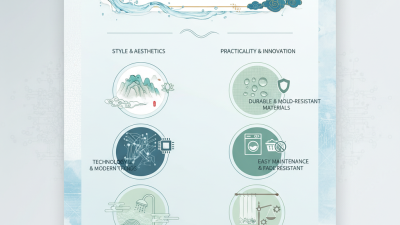
Polyester remains a practical base for toile printing. It dries quickly, resists shrinking, and holds detailed linework well. A tightly woven fabric usually produces sharper trees, figures, and carriage patterns. Cotton feels softer, but it absorbs water and may need a separate liner. Recycled polyester can reduce virgin fiber use, though buyers should request credible recycled-content documentation.
PEVA offers a lightweight, chlorine-free liner option. However, it can feel less luxurious and crease during shipping. Choose rust-resistant metal eyelets and a weighted bottom hem. These details reduce movement near the bathtub. OEKO-TEX testing can help verify harmful-substance limits, while AATCC laundering methods help assess colorfastness.
Do not trust “mildew-proof” claims alone. No curtain stays clean without ventilation and regular washing. Future Market Insights identifies moisture resistance and easy maintenance as key shower-curtain purchasing factors. That sounds obvious, but printed fabric often receives less testing than plain fabric. Global buyers should check finished dimensions, wash temperature, odor after unpacking, and local chemical-labeling requirements before ordering.
Important Features for Safety, Durability, and Easy Maintenance
For global buyers, a shower curtain should control water without creating a hidden hygiene problem. The U.S. Environmental Protection Agency recommends keeping indoor humidity below 60%, ideally between 30% and 50%, to limit mold growth. Choose a quick-drying polyester or tightly woven fabric, with a smooth surface that does not trap soap. A weighted hem helps prevent splashing, while rust-resistant eyelets and reinforced seams improve daily safety.
Durability needs measurable evidence, not attractive packaging. Ask suppliers for fabric weight, seam-strength results, colorfastness data, and washing instructions. ISO 105-C06 is commonly used to assess colorfastness during washing, while ASTM D5034 evaluates textile breaking strength. These tests cannot predict every bathroom condition, but they provide a useful comparison between products. Check the liner’s material carefully. A strong chemical smell is a warning sign, not proof of quality.
Maintenance is often overlooked. The CDC notes that damp surfaces support mold growth, so curtains should spread fully after use and dry between showers. Machine-washable panels save labor in hotels, rentals, and family bathrooms. Avoid relying on “mildew-resistant” claims without test documentation. Real bathrooms are messy. Even a well-made curtain may develop stains around the lower hem if ventilation is poor. Buyers should inspect seams, wash labels, and replacement availability before ordering large quantities. Safety improves when small details are verified early.