Choosing a China Best Bath Shower Curtain Supplier requires more than comparing catalog photos or factory prices. The word “best” is slippery. It depends on material control, production experience, testing, customization, and dependable delivery.
Grand View Research’s market analysis indicates continued growth in global bathroom and shower-related products. Its findings reflect rising interest in hygienic, durable, and visually coordinated bathroom accessories. Mordor Intelligence also highlights product quality, online distribution, and consumer preference for practical designs as important market factors. These reports do not identify one universal supplier. They show why purchasing decisions need measurable evidence.
A capable China Bath Shower Curtain manufacturer should explain fabric weight, waterproof treatment, hem construction, and ring compatibility. Polyester, PEVA, and PVC products require different performance checks. Buyers should request recent test reports, factory audit records, sample approval, and production photographs. Look closely at stitched edges. Check whether metal eyelets remain firm after repeated pulling. Ask how the supplier manages odor, color consistency, and packaging moisture.
Small details matter.
Reliable suppliers normally provide clear lead times, inspection procedures, and corrective-action records. Certifications can support confidence, but buyers should verify their scope and validity. A supplier may claim premium quality while using inconsistent fabric batches. That happens. It deserves careful questioning, not immediate rejection.
This guide examines how to assess Chinese suppliers through manufacturing capability, material safety, quality assurance, pricing, communication, and export experience. It also considers private labeling and custom dimensions. The goal is not to promote the cheapest option. It is to identify a supplier whose Bath Shower Curtain products perform consistently in real bathrooms, shipment after shipment.
China Best Bath Shower Curtain Supplier?
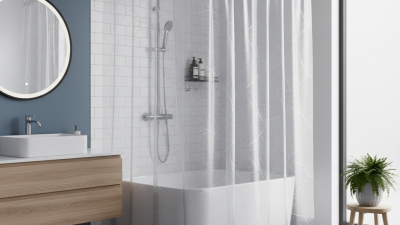
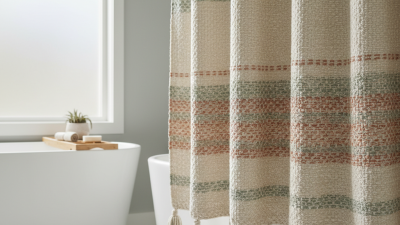
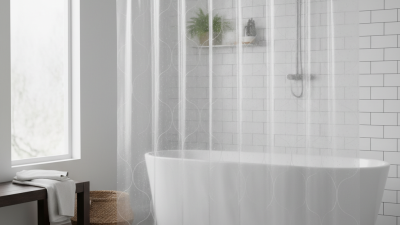
Bath shower curtains come in several practical types. Polyester curtains are popular because they dry quickly and resist daily splashes. PEVA and EVA options feel lighter and offer a smooth, water-resistant surface. Cotton curtains provide a softer, textile appearance, but they usually need a waterproof liner. Some homes use waffle-weave fabric for a hotel-style texture. Others prefer clear curtains because they make smaller bathrooms appear more open.
Product features matter more than appearance alone. A useful curtain should have reinforced holes, rust-resistant metal rings, and a weighted bottom hem. Standard sizes often include 72 by 72 inches, but careful suppliers should confirm measurements before production. Check fabric weight, stitching density, shrinkage, and color fastness. A washable curtain is easier to maintain, especially in humid bathrooms. It should also include clear care instructions. Small details matter.
No curtain stays spotless forever. Even a water-resistant surface can develop mildew when ventilation is poor. I would request a physical sample before placing a large order. Examine the seams, smell, drape, and drying speed after washing. Supplier claims should be supported by material specifications and consistent quality records. A heavier hem may reduce movement, but it can also slow drying. That trade-off deserves honest testing, not attractive wording. Reliable production requires inspection at fabric, sewing, and packing stages. Feedback from real bathroom use can reveal weaknesses that factory checks miss.
China Best Bath Shower Curtain Supplier?
Choosing a reliable China bath shower curtain supplier requires more than comparing prices. Materials shape durability, safety, and user experience. Polyester is washable and flexible, while PEVA offers a chlorine-free alternative for many bathroom applications. PVC can provide weight and water resistance, but buyers should verify chemical compliance for the target market. A heavier curtain is not automatically better. Fabric density, coating uniformity, stitching, and drying performance matter more.
Manufacturing quality begins with an approved sample and clear specifications. Define dimensions, fabric weight, hem width, grommet spacing, color tolerance, and packaging details. Suppliers should control incoming materials, cutting accuracy, sewing quality, and final inspection. Request current test reports for applicable chemical, colorfastness, odor, and dimensional requirements. Quality systems such as ISO-based procedures can improve consistency, but certificates alone prove little. Ask for batch traceability and inspection records. I would also test curtains after repeated washing, because an attractive sample may hide weak hems or rust-prone eyelets. Small failures become customer complaints.
Tips: Send a marked sample. Check ten finished pieces, not one. Use an agreed AQL plan. Confirm carton strength and moisture protection. Keep records for every production lot. Also, review environmental claims carefully; “eco-friendly” needs measurable evidence, not attractive wording. Suppliers that accept reasonable audits usually communicate more reliably, although no process is perfect.
The chart compares typical commercial thickness ranges for common shower curtain materials. PEVA is lightweight and chlorine-free, PVC is heavier and highly water-resistant, while polyester is a flexible textile option. Actual specifications should be confirmed through product samples, supplier testing, and applicable market requirements such as REACH or OEKO-TEX.
Choosing a China bath shower curtain supplier requires more than comparing prices. Start by checking material knowledge, production experience, and product consistency. Ask whether the supplier understands waterproof coatings, rust-resistant grommets, seam strength, and fabric shrinkage. Request clear specifications, including thickness, dimensions, weight, color tolerance, and washing instructions.
Request physical samples before placing a large order. Test the curtain in a real bathroom. Check water beading, odor, stitching, hanging strength, and drying time. A reliable supplier should explain its inspection process and share recent quality records. Factory photos help, but an independent audit offers stronger evidence. Ask about production capacity, lead times, packaging protection, and how defects are handled. Clear answers matter.
Communication is another practical test. Send the same questions to several suppliers and compare their replies. Skilled teams usually respond with measurements, photos, test methods, and realistic delivery dates. Be cautious when promises sound perfect. They may not be. I have found that a low quotation can hide weaker fabric, inconsistent sizing, or costly rework. Even experienced buyers can overlook packaging damage during transit. Leave room for correction, and put approved sample details into the purchase agreement. A dependable supplier is not merely cheap; it is traceable, responsive, and willing to discuss problems before they become expensive.
China Best Bath Shower Curtain Supplier?
Choosing a reliable China bath shower curtain supplier requires more than comparing catalog photos. Customization usually covers fabric weight, size, color, printing, hem structure, eyelets, and packaging. Polyester is common for affordable collections, while PEVA offers a different hand feel and water resistance. Request a pre-production sample. Small details matter.
Pricing changes with material, order quantity, printing coverage, and packing requirements. A basic polyester curtain may cost around $1.80–$5.00 per piece before freight, while thicker or specially printed designs cost more. These figures are only working references. A low quote can hide setup fees, weak packaging, or expensive sampling. Confirm whether the price includes labels, cartons, inspection, and export documents.
Minimum orders often range from 500 to 1,000 pieces per design. Some factories accept smaller trial orders, but the unit price may rise. Sample development commonly takes 5–10 days. Bulk production may require 15–30 days after artwork and sample approval. Add time for fabric sourcing during busy seasons. Ask for a written production schedule, inspection points, and replacement terms for defects. Do not rely on promises alone. A supplier that answers slowly before payment may create greater problems later. I would also check stitching, odor, color accuracy, and grommet alignment from physical samples. Even experienced buyers miss something. That is why a measured approval process remains essential.
| Supplier Type | Typical Materials | Standard Size Options | Customization Available | Indicative Unit Price | Typical MOQ | Sample Lead Time | Bulk Production Lead Time | Best Suited For |
|---|---|---|---|---|---|---|---|---|
| Basic Polyester Manufacturer | 100% polyester, approximately 90–120 GSM | 72 × 72 in; 70 × 72 in; 72 × 84 in | Digital printing, bottom hem, reinforced eyelets, standard packaging | US$1.20–2.20 / piece | 500–1,000 pieces per design | 5–8 days | 20–30 days after approval | Budget retail, promotional orders, basic hospitality use |
| Mid-Range Textile Supplier | Woven polyester, approximately 150–220 GSM | 72 × 72 in; 72 × 78 in; 72 × 84 in; custom dimensions | Custom colors, printing, weighted hem, rust-resistant metal or plastic eyelets, private packaging | US$2.00–4.50 / piece | 300–800 pieces per design | 7–10 days | 25–35 days after sample approval | Online retailers, home-goods distributors, hotel supply programs |
| Waterproof PEVA or PVC Supplier | PEVA, EVA, or PVC film, approximately 0.08–0.20 mm | 72 × 72 in; 70 × 72 in; 72 × 84 in | Surface printing, transparent or frosted finish, magnetic weights, header reinforcement, packaging design | US$1.00–3.20 / piece | 500–1,500 pieces per design | 7–12 days | 25–40 days after artwork approval | Value-focused retail, seasonal collections, high-volume programs |
| Premium Hotel Textile Supplier | Heavyweight polyester, cotton-polyester blends, jacquard fabric, approximately 220–350 GSM | 72 × 72 in; 72 × 84 in; 72 × 96 in; custom hotel dimensions | Custom weaving, embroidery, dobby borders, weighted hems, antimicrobial or water-repellent finishes, tailored packaging | US$4.50–10.00 / piece | 200–500 pieces per design | 10–15 days | 35–50 days after final confirmation | Hotels, serviced apartments, resorts, premium interior projects |
| Integrated Curtain and Liner Supplier | Polyester or PEVA curtain with separate or attached waterproof liner | 72 × 72 in; 72 × 78 in; 72 × 84 in; extra-wide configurations | Two-layer construction, custom artwork, mesh header, snap-in liner, magnetic hem, retail-ready packaging | US$3.50–8.50 / set | 300–600 sets per design | 8–14 days | 30–45 days after sample approval | Complete bathroom sets, private-label collections, multi-channel retail |
| Small-Batch Custom Workshop | Polyester, cotton blends, linen-look fabric, PEVA | Standard sizes and made-to-measure dimensions | Custom sizing, colors, printing, labels, simple packaging, prototype adjustments | US$4.00–12.00 / piece | 50–200 pieces per design | 7–15 days | 20–35 days after sample approval | Product testing, boutique collections, new-market launches |
China Best Bath Shower Curtain Supplier?
Choosing a reliable bath shower curtain supplier requires more than comparing prices. Export experience should include clear invoices, packing lists, carton measurements, and shipment communication. Ask whether the supplier understands your destination’s labeling and material requirements. A professional team should explain lead times honestly, including delays caused by fabric shortages or port congestion. Request a physical sample before placing a large order. Product photos can hide weak hems.
Quality control should cover the entire production process. Check fabric weight, waterproof performance, curtain dimensions, eyelet strength, stitching, and color consistency. A useful inspection report includes measured results, rejected quantities, and photographs from the production line. Ask how defects are recorded and corrected. No inspection method is perfect. Small issues are sometimes missed. That is why independent pre-shipment inspection can add practical protection, especially for new suppliers.
Tips: Verify the business license, factory address, export history, and production capacity. Contact two recent buyers if possible. Compare the sample with the final shipment, not only the approved photo. Confirm packaging details, such as inner bags, carton strength, and moisture protection. Keep written records of specifications and tolerances. Vague promises are warning signs. One more check helps.