How to Choose the Best Vinyl Shower Curtain in 2026
Choosing a Vinyl Shower Curtain in 2026 involves more than picking a color. The right curtain should fit your tub, hang securely, and handle daily splashes without becoming difficult to clean. Small details matter. Measure the shower area before shopping, including its width and the distance from the rod to the tub floor. A curtain that drags can collect grime; one that is too short may let water escape.
Material and construction deserve a closer look. Check the product’s stated dimensions, thickness, care instructions, and whether hooks or rings are included. Some curtains have weighted hems or reinforced holes, which may help them hang neatly and resist tearing. Those features are useful, but they do not guarantee durability. Look for clear product information and realistic customer feedback rather than relying on broad promises. If a listing does not explain how to clean the curtain, that is worth noticing.
Think about your bathroom, too. A compact, poorly ventilated space may need more frequent cleaning than a bright bathroom with good airflow. After showers, spreading the curtain open can help it dry. Simple, not foolproof. Vinyl can have a noticeable smell when new, and individual sensitivity varies; airing it out may help, but the result is not guaranteed. This guide explains how to compare fit, materials, maintenance, and practical features so you can choose a Vinyl Shower Curtain with fewer surprises. Your preferences still matter, and the cheapest option is not always the best value.
Identify Your Bathroom Needs and Shower Setup
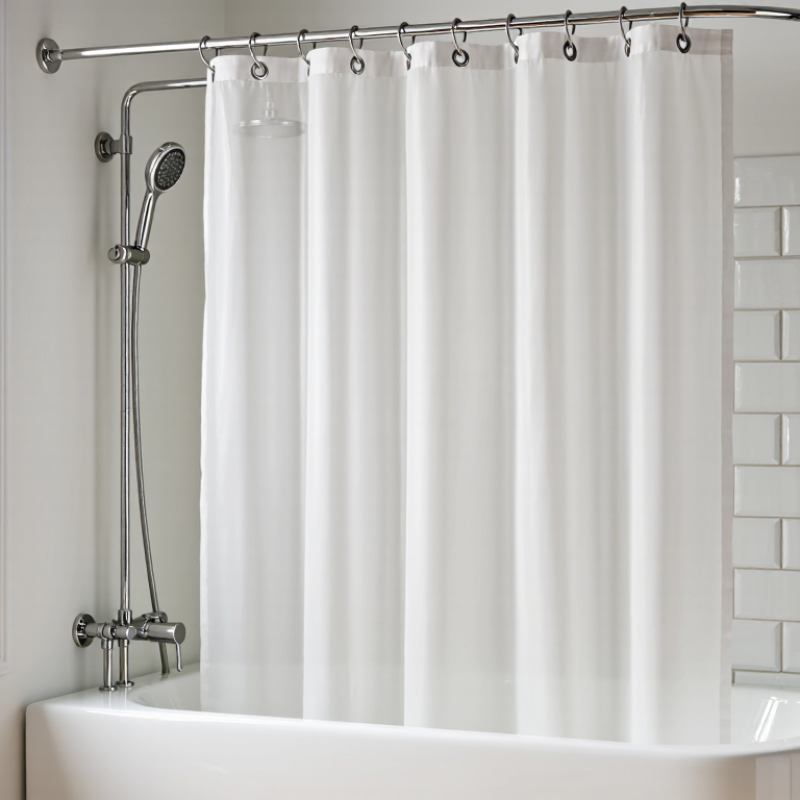
Before choosing a vinyl shower curtain, check how your bathroom is used each day. Measure the rod’s width and height, then compare them with the curtain dimensions. Measure twice. A curtain that is too short can let water escape near the tub edge; one that drags may collect moisture and soap residue. Note where the showerhead sprays and whether the tub has a curved or straight rod. These details affect coverage more than a product’s appearance.
Think about ventilation and household routines, too. In a small bathroom with a weak fan, a lighter curtain that can be pulled fully open may dry faster between showers. If several people share the space, choose a size that overlaps enough to stay closed during movement. Check that the curtain’s hanging holes fit your rings or hooks, and consider whether you need a separate liner. Vinyl is water-resistant, but it still benefits from regular rinsing and drying. Smell and texture matter. If you are sensitive to odors, let the curtain air out before use and check its care instructions. It is easy to focus on color and overlook the rod; that small mismatch can make an otherwise suitable curtain frustrating.
Compare Vinyl Types, Thickness, and Transparency
When comparing shower-curtain materials, check the label rather than relying on the word “vinyl” alone. PVC is the familiar, flexible option and often comes in clear or frosted finishes. PEVA and EVA are related plastic alternatives, but they are not PVC vinyl. They can feel softer and may have less odor when new; ventilation is still sensible after unpacking any curtain.
Thickness affects drape and durability. It is often listed in mils, with one mil equal to 0.001 inch. A thinner curtain feels light and moves easily, but may cling to wet legs or tear sooner. A heavier sheet usually hangs straighter. Yet thicker is not automatically better: it can feel stiff, and a crowded tub may make that obvious. Compare the actual measurement, not just “heavy-duty” wording.
Transparency is a practical trade-off. Clear vinyl lets more light through and can make a small shower feel less boxed in, but offers little visual privacy. Frosted or opaque material softens outlines while still brightening the space. Hold a sample near a window if possible; bathroom lighting can make a curtain look different once installed. Measurements and finish descriptions are useful, but they do not capture every texture or lighting condition.
Choose the Right Curtain Size and Hanging Style
Measure the shower opening, not just the tub’s advertised length.
A common curtain is about 72 by 72 inches, but that size may bunch awkwardly in a narrow stall or leave gaps around a wide tub. Measure the rod’s full span, then choose enough width for soft folds and overlap at the wall. Measure from the rod to the tub floor or shower floor, too. The bottom should sit inside the tub during use, without dragging heavily or pooling on the floor.
Small gap, big mess.
I’d recheck the length after installing the rod; even a slight height difference can change where the curtain lands.
Your hanging style affects how the curtain moves.
A straight rod works for many alcoves, while a curved rod creates extra elbow room and needs a wider curtain span. Check whether the vinyl curtain has reinforced holes, grommets, or built-in rings, and make sure your hooks fit without pulling the top edge out of shape. For a heavier curtain, sturdy hooks and a securely mounted rod matter. Choose a liner or curtain arrangement that lets water drain back into the tub.
One detail I sometimes overlook: hooks can steal a little hanging height.
Test the fit before trimming or altering anything; my first estimate is not always right.
Check Safety, Durability, and Cleaning Requirements
When choosing a vinyl shower curtain, check its material and care label before judging it by appearance. Look for clear information about vinyl composition and any available safety testing. A strong odor can be unpleasant, but smell alone cannot confirm whether a curtain is safe. Air out a new curtain in a ventilated room, and keep it away from heaters or open flames. I still find this easy to overlook. The bathroom may be small, so ventilation matters.
Durability shows up at the seams and hanging holes. Tug gently on a grommet; it should feel secure, not brittle or loose. A heavier curtain can resist billowing, but thickness alone does not guarantee longer use. After showers, spread the curtain open so water can drain instead of collecting in folded areas. Clean it according to the care label, usually with mild soap and a soft cloth. Skip abrasive pads and strong solvents, which may cloud or damage the surface. Rinse away soap, then let the curtain dry fully. Small spots can still appear, especially in a humid bathroom, so check the lower hem and folds regularly.
How to Choose a Vinyl Shower Curtain in 2026
Common retail curtain dimensions (inches). Sizes vary by product, so measure your shower area and check the product listing before buying.
Choosing safely: Check the product label for material and care instructions; do not assume all vinyl curtains have the same composition. For durability, choose a size that fits your shower without pulling at the hooks. Cleaning methods vary—follow the care label, and rinse and dry the curtain regularly to help limit soap residue and mildew.
Balance Design Features With Price and Value
A low price can look attractive, but the curtain’s useful life matters more than its shelf price.
Check the stated thickness, grommet spacing, and whether the top edge is reinforced. These details affect how easily the curtain hangs and whether its holes stretch with regular use. For daily showers, a weighted hem can help limit billowing, though it will not keep every splash inside. Small difference. Compare care instructions, too. A surface that wipes clean may save effort, but vinyl still needs occasional cleaning and drying. Be cautious with “mildew-resistant” claims; they do not mean the curtain can stay damp indefinitely.
Design has value when it suits the room and remains pleasant to use.
A frosted panel can soften the view while letting light through, while a plain clear curtain may make a small bathroom feel less enclosed. Check the dimensions against your tub before paying extra for a pattern or decorative trim. If the curtain needs a separate liner, include that cost in your comparison. Also consider replacement rings or a sturdier rod if the existing setup is awkward. It is easy to overvalue a polished photo. Read the product measurements and care details, then decide whether the finish is worth the price difference. A strong plastic smell may be a reason to air it out before use.