How to Choose the Best Fabric Shower Curtain for Your Bathroom?
Choosing the right Fabric Shower Curtain can significantly impact your bathroom's aesthetics and functionality. According to a report from the American Home Textile Manufacturers Association, approximately 45% of homeowners prioritize curtain materials for their durability and design. Expert designer Emily Rosenthal states, "A well-chosen Fabric Shower Curtain not only elevates the bathroom but also ensures longevity."
Many shoppers overlook the importance of fabric composition. Different materials offer varying levels of water resistance and mildew resistance. For example, polyester is durable and easy to clean, while cotton adds a soft touch. The choice of fabric can alter your bathroom's overall vibe and practical use.
When selecting a Fabric Shower Curtain, consider style, functionality, and care requirements. While aesthetics are vital, longevity is essential too. A low-quality curtain may need frequent replacement, creating more waste. In contrast, a durable curtain can enhance your space for years. Keep these factors in mind as you navigate this essential design choice.
Types of Fabric Shower Curtains Available in the Market
When selecting the best fabric shower curtain, understanding the various types available is crucial. Fabric shower curtains come in several materials, including polyester, cotton, and linen. Polyester is durable and water-resistant, making it a popular choice. Cotton, while softer and more absorbent, can take longer to dry. Linen has a luxurious appearance but may require more upkeep to maintain its quality.
For those seeking eco-friendly options, consider organic cotton or recycled fabric curtains. These materials are better for the environment and often treated with less harmful chemicals. Additionally, many fabric curtains feature stylish patterns and colors that can enhance your bathroom’s decor.
Tips: Always check for mold and mildew resistance when choosing a curtain. This will help maintain a clean and fresh atmosphere. Additionally, think about the length. A longer curtain can prevent water from spilling out, creating a safer bathing space. Consider how often you will wash the curtain, as some materials may require more frequent cleaning.
Factors to Consider When Choosing Fabric for Shower Curtains
Choosing the right fabric for your shower curtain is crucial for both aesthetics and functionality. Consider the material's ability to resist mold and mildew. Fabrics like polyester are water-resistant and easier to clean. Cotton, while breathable, may require more maintenance to keep it fresh. Assess your bathroom’s humidity levels to make an informed choice.
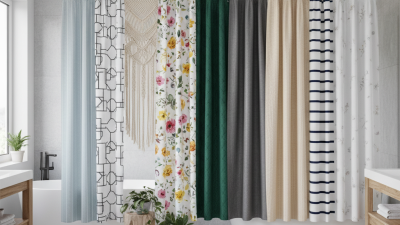
Color and pattern play significant roles in your selection. A dark color may hide stains but can absorb heat. Lighter fabrics can brighten up the space but may show water spots. Think about how often you want to wash the curtain. Frequent cleaning can be a hassle, especially with heavier fabrics. A fabric blend might give you the best of both worlds.
Don't overlook the importance of the curtain's length and width. An ill-fitting curtain can lead to water spills, creating a safety hazard. Measure your space carefully before purchasing. Consider how the fabric drapes and flows—inadequate draping can detract from your bathroom's overall style. Choosing a shower curtain is not just a simple task; it requires thoughtful consideration of many factors.
How to Choose the Best Fabric Shower Curtain for Your Bathroom?
| Factor |
Description |
Considerations |
Examples |
| Material |
The type of fabric used for the shower curtain. |
Durability, water resistance, and ease of cleaning. |
Polyester, cotton blends, microfiber. |
| Water Resistance |
How well the fabric resists moisture. |
Look for water-repellent finishes. |
Waterproof coatings, mildew-resistant treatments. |
| Design |
Color, pattern, and style of the curtain. |
How well it matches your bathroom decor. |
Floral patterns, geometric designs, solid colors. |
| Size |
The dimensions of the shower curtain. |
Ensure it fits your shower or bathtub properly. |
Standard sizes: 72x72, 70x84 inches. |
| Maintenance |
Ease of cleaning and upkeep. |
Check if it’s machine washable or requires special care. |
Machine washable, wipeable surface fabrics. |
| Price |
Cost of the shower curtain. |
Set a budget based on quality and features. |
Ranges from budget-friendly to luxury options. |
Evaluating Design and Aesthetic Appeal of Shower Curtains
When selecting a fabric shower curtain, aesthetic appeal is crucial. The right design can transform a mundane bathroom into a stylish retreat. Data from the Home Decor Industry Reports indicates that 35% of consumers prioritize bathroom aesthetics when making purchases. This statistic underscores the importance of choosing a fabric that reflects personal style and complements existing decor.
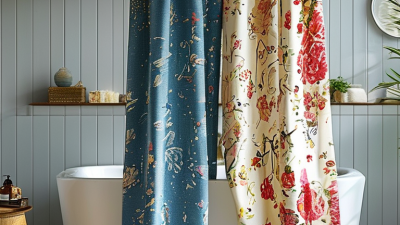
Consider the color palette and patterns. A neutral shower curtain may create a calming atmosphere, while bold colors can inject energy into the room. According to the American Society of Interior Designers, cohesive color schemes can increase the perceived value of a space. However, one must be cautious. A design that's too overwhelming might clash with other bathroom elements, leading to a chaotic look.
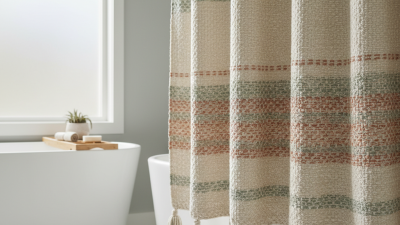
Fabric choice is another essential factor. Fabrics like cotton are breathable and easy to maintain, while polyester can offer water resistance. Yet, it’s crucial to find a balance between functionality and style. While one may initially be drawn to vibrant prints, practicality might diminish their appeal over time. Opt for designs that not only excite the eye but also stand the test of time. Making informed decisions here leads to a space you will love for years.
Maintenance and Care for Fabric Shower Curtains
Caring for fabric shower curtains requires a consistent routine to keep them fresh and clean. Regular washing can prevent mold and mildew build-up. Most fabric curtains are machine washable. Wash them in cold water with a gentle detergent to maintain fabric quality. Avoid using bleach, as it can weaken the fibers over time.
After washing, hang the curtain to air dry. Avoid using a dryer; high heat can damage the material. To reduce water spots, consider wiping down the curtain after each shower. A simple microfiber cloth works well for this task. It keeps the curtain looking cleaner for longer and minimizes the need for frequent deep cleaning.
While fabric curtains offer a soft aesthetic, they can absorb odors. If your curtain starts to smell, try soaking it in a vinegar-water solution before washing. This can neutralize bad odors and keep the fabric smelling fresh. Remember, the best care routine is one that you can consistently follow, even if it’s simply wiping it down once a week.
Environmental Impact and Sustainability of Shower Curtain Fabrics
When selecting a fabric shower curtain, considering its
environmental impact is essential. Traditional shower
curtains often use synthetic materials that contribute to pollution. Many of these fabrics release
volatile organic compounds (VOCs). These compounds can lead to indoor air
quality issues. Choosing natural fabrics, such as cotton or linen,
reduces harm. They biodegrade more effectively than synthetic alternatives.
Sustainability goes beyond the fabric choice. Production methods impact
the environment significantly. Look for curtains made using eco-friendly processes.
For example, organic cotton avoids harmful pesticides. Some fabrics come from recycled materials, which reduces waste.
Not all manufacturers prioritize sustainability. Research can help identify reliable options.
Overlooking the life cycle of shower curtains is easy. Do they last
long? Are they washable? Durable products reduce replacements and waste.
However, even eco-friendly curtains may contribute to issues like water waste during washing. Choosing the best
option requires careful deliberation. This approach can lead to a bathroom that is both stylish and
environmentally responsible.