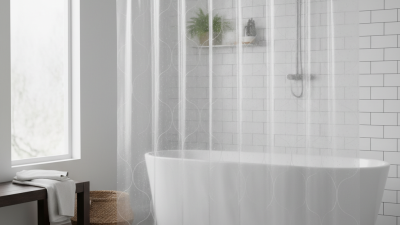
How to Choose the Best Stall Shower Curtain?
Choosing the best Stall Shower Curtain is not only about matching your bathroom colors. It also involves fit, material, privacy, water control, and daily comfort. A curtain that looks attractive online may hang poorly in a narrow shower. Water can escape through small gaps near the floor or wall. Measure the stall width and height before comparing products. Check the rod position, curtain rings, and available floor space. These details often determine whether the curtain works well.
Material affects both performance and maintenance. Polyester is lightweight, affordable, and usually easy to wash. PEVA can resist water without added chlorine-based plasticizers, but its texture may feel less flexible. A fabric curtain may create a softer appearance, though it often needs faster drying. Look for reinforced holes, weighted hems, rust-resistant hardware, and clear care instructions. Real bathroom experience matters here. A heavy curtain can stay in place better, but it may dry slowly in a poorly ventilated room. Ventilation matters.
There is no perfect choice.
Reliable recommendations should consider household routines, humidity, cleaning habits, and budget. A family may need durable construction, while a guest bathroom may prioritize appearance. Customer reviews can reveal problems that product photos hide, such as curling edges or weak grommets. Still, reviews are personal experiences, not absolute proof. Recheck measurements and manufacturer details before purchasing. This guide will help compare practical features carefully, while acknowledging that the best Stall Shower Curtain depends on your specific shower and expectations.
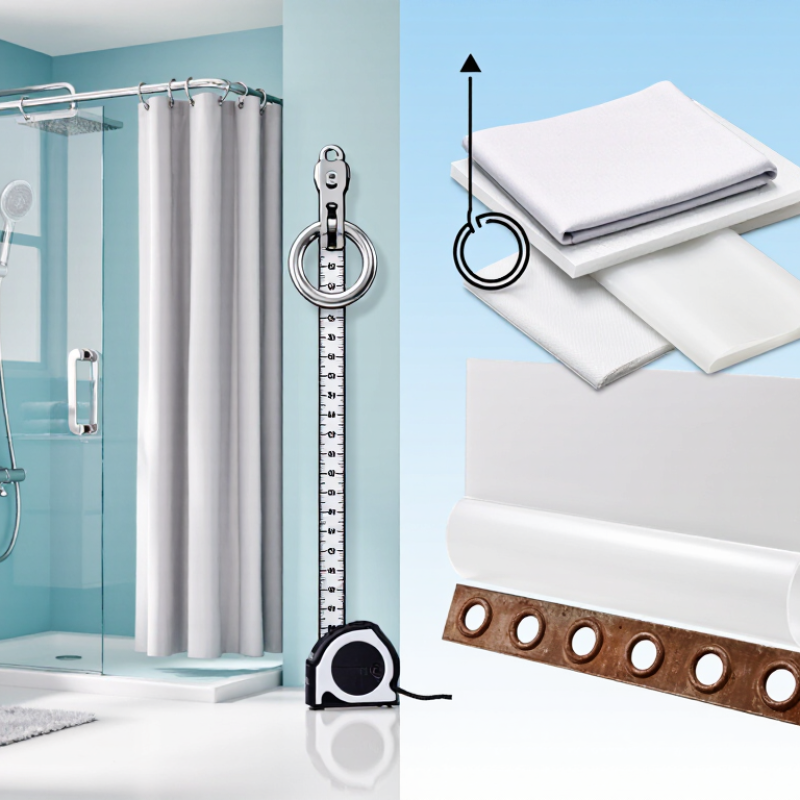
Understand Stall Shower Dimensions and Curtain Requirements
How to Choose the Best Stall Shower Curtain?
Understand Stall Shower Dimensions and Curtain Requirements
A stall shower needs a different curtain from a standard bathtub. Measure the opening at the top, middle, and bottom. Walls are not always perfectly parallel. I learned this after buying a curtain that looked suitable but left a narrow gap.
Use the widest measurement when choosing curtain width. Add extra fabric for overlap and gentle folds. A curtain usually needs several additional inches beyond the rod length. For a curved rod, measure along the curve, not straight across it. Mark the rod’s height carefully. The bottom edge should stay inside the shower base without touching the floor.
Check the shower’s height, too. Short curtains can spill water over the threshold. Long curtains may bunch on the floor and collect moisture. A weighted hem can improve stability, especially in rooms with strong airflow. A water-resistant liner is useful when the outer curtain is decorative or made from absorbent fabric.
Think about the hardware before choosing the curtain. Count the openings, inspect the rod diameter, and confirm that the hooks fit. Reinforced holes can withstand daily pulling better. Choose mildew-resistant materials when ventilation is limited, but do not rely on that feature alone. The curtain still needs regular washing and complete drying. My measurements were accurate once, yet I ignored the room’s poor airflow. That oversight mattered.
Compare Curtain Materials for Durability, Privacy, and Maintenance
How to Choose the Best Stall Shower Curtain?
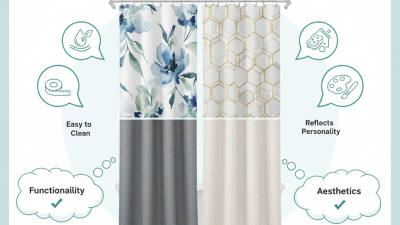
Material affects how a stall curtain handles water, light, and repeated cleaning. Polyester is often a practical choice for daily use. Its tightly woven surface dries quickly and resists stretching. A heavier weave offers better privacy under bright bathroom lighting. Check the hem and grommets carefully. Weak stitching can fail before the fabric does.
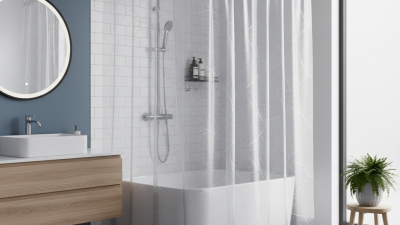
Vinyl and PEVA curtains block splashes effectively and wipe clean with a damp cloth. They also provide strong privacy because they are usually opaque. However, cheaper versions may become stiff or brittle over time. Avoid folding them while wet. That habit can trap moisture and create unpleasant odors. A washable polyester curtain needs more effort, but regular machine washing can remove soap residue and reduce buildup.
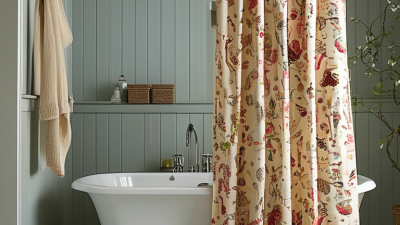
Cotton or linen curtains feel softer and look less clinical. They absorb more water, though, so they need a liner and better ventilation. This can mean extra laundry. Measure the stall before buying. A curtain should overlap the sides by several inches and hang above the floor. That small gap helps prevent soaking. In a humid bathroom, even a good material may develop mildew without airflow. I would not choose fabric based on appearance alone. A beautiful curtain that stays damp becomes a maintenance problem. A simple inspection every few weeks is worthwhile. Look for frayed seams, rusty rings, and a hem that no longer hangs straight.
How to Choose the Best Stall Shower Curtain? - Compare Curtain Materials for Durability, Privacy, and Maintenance
| Material |
Water Resistance |
Durability |
Privacy |
Mildew Resistance |
Cleaning Method |
Typical Service Life |
Best For |
| PEVA |
Excellent |
Good |
Good to excellent, depending on opacity |
Good when dried between uses |
Wipe clean with mild soap; some can be machine washed |
About 6–18 months |
Low-maintenance, water-repellent shower curtains with reduced odor compared with many vinyl curtains |
| EVA |
Excellent |
Very good |
Good to excellent |
Good |
Wipe clean; avoid high heat and harsh solvents |
About 9–24 months |
A thicker, flexible curtain that offers stronger structure and better splash control |
| Polyester |
Good; usually water-repellent rather than fully waterproof |
Very good |
Good to excellent |
Moderate to good |
Machine wash according to the care label; air-dry |
About 1–3 years |
A washable fabric curtain with a broad range of colors, patterns, and opacity levels |
| Nylon |
Good; dries quickly but may need a liner |
Very good |
Good when tightly woven |
Moderate |
Machine wash on a gentle cycle; air-dry |
About 1–3 years |
Lightweight curtains for frequent washing and quick drying |
| Cotton |
Low to moderate without a liner |
Good, but can shrink or weaken if mishandled |
Excellent when tightly woven |
Low to moderate if left damp |
Machine wash; dry thoroughly and follow the care label |
About 1–3 years with a liner |
Soft, decorative curtains where appearance and privacy are more important than splash protection |
| Linen or Linen Blend |
Low to moderate without a liner |
Good |
Good to excellent |
Low to moderate if ventilation is poor |
Gentle machine wash or professional cleaning, depending on construction |
About 1–3 years with a liner |
Natural-texture interiors that have good bathroom ventilation and regular laundering |
| PVC or Vinyl |
Excellent |
Good, but can become brittle over time |
Good to excellent |
Good when cleaned and fully spread after use |
Wipe clean with mild soap; do not machine wash |
About 6–18 months |
Budget-friendly splash protection where maximum water resistance is the priority |
Selection tip: For most stall showers, choose a washable polyester curtain for the best balance of durability, privacy, and maintenance. Choose PEVA or EVA when waterproof splash protection is the main concern, and pair cotton or linen with a water-resistant liner.
Ratings and service-life estimates are typical ranges. Actual performance depends on ventilation, cleaning frequency, water hardness, fabric weight, construction quality, and how quickly the curtain is dried after use.
Select Suitable Hardware, Care Methods, and Replacement Options
How to Choose the Best Stall Shower Curtain?
Choosing the best stall shower curtain begins with suitable hardware, not fabric. Measure the opening, rod height, and available wall depth. A tension rod suits smooth, stable walls. It may slip on damp tile. A fixed rod offers stronger support for thick curtains or frequent use. Select corrosion-resistant metal, reinforced brackets, and evenly spaced rings. Plastic can work, but brittle rings often fail first. Leave a small gap below the curtain. This limits floor contact and improves airflow.
Care should match the bathroom’s moisture level. After showering, spread the curtain fully so its folds can dry. Wipe the lower hem weekly, especially where soap collects. Wash fabric curtains according to their care label, using mild detergent and a gentle cycle. Avoid harsh bleach unless the instructions allow it. It can weaken fibers and damage color. Clean the rod and rings monthly. A soft cloth works better than abrasive pads. I once ignored a slow-draining bathroom, and mildew returned quickly. Ventilation matters more than a perfect cleaning schedule.
Replace the curtain when seams fray, holes enlarge, or the hem remains discolored after washing. A liner may need earlier replacement because it receives direct spray. Choose a washable liner when possible, but check its weight against the rod. Before installing, inspect screws, anchors, and wall surfaces. Do not reuse loose anchors. That shortcut can cause a sudden fall. Keep the old curtain only as a temporary backup. My judgment has changed: the cheapest option is not always the lowest-cost choice. Record the installation date inside a cabinet.