Leave Your Message
A tablecloth changes more than the look of a dining table. It softens the clink of plates, protects the surface, and sets the mood before dinner begins. The best choice depends on how you live: weekday meals need easy care, while celebrations may call for a finer drape. Cotton, linen, polyester, and blended fabrics each bring different strengths. Some feel crisp and breathable; others resist stains and emerge from washing with fewer wrinkles. Small details matter, too. Check the weave, hem, care label, and drop over the table edge before buying.
Textile designer William Morris once said, “Have nothing in your houses that you do not know to be useful, or believe to be beautiful.” That idea suits Fabric Tablecloths well: the right cloth can be practical and pleasing, though rarely perfect at both. Linen creases; cotton may shrink; synthetic blends can feel less natural. I have found that a swatch under kitchen light tells more than a product photo. Still, one test cannot predict every wash or spill. This guide compares the top fabric types by texture, durability, maintenance, and occasion, so readers can choose with clearer expectations—not just a pretty picture.
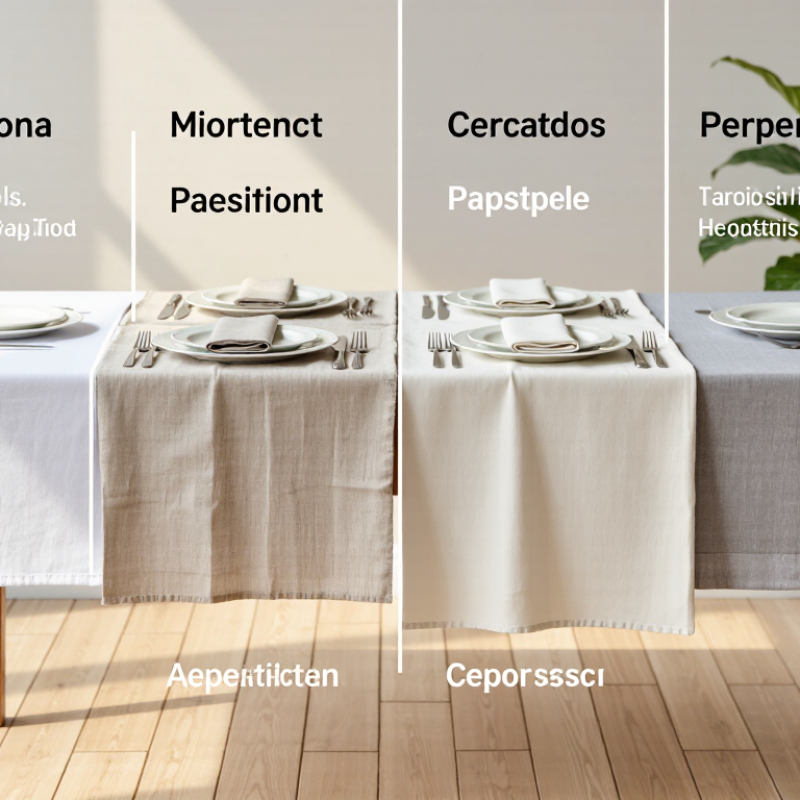
Fabric tablecloths are commonly classified by fiber, weave, and finish. Fiber is a useful starting point because it affects feel, absorbency, and care. Cotton feels soft and absorbs spills, but may wrinkle after washing. Linen has a crisp texture and visible slubs; it often softens with use. Polyester resists many wrinkles and dries quickly, while blends balance easy care with a more natural hand. Feel the edge. Labels can help, though a blend’s proportions matter.
Weave describes how the threads cross. Plain weaves are generally smooth and practical for everyday meals. Twill weaves show diagonal lines and can feel more substantial. Damask patterns are woven into the cloth, rather than simply printed on top. That matters. A printed design may fade or wear differently, depending on the fabric and washing routine. Finishes create another category: coated cloths resist moisture, while untreated fabrics usually absorb it more readily.
Tablecloths can also be grouped by construction, such as hemmed, bordered, or textured styles. A tightly finished hem is less likely to fray during repeated laundering. For a busy kitchen, check the care label and test how a corner handles a small splash. For formal dining, consider drape and texture under the room’s lighting. These categories overlap, and no single fabric suits every table; even a “washable” cloth may need prompt stain treatment.
Fabric tablecloths can be classified by their fiber content or by how the fabric is woven. The distinction matters: cotton and polyester describe fibers, while damask and satin describe weave structures.
| Type | How It Is Classified | Typical Look and Feel | Practical Characteristics | Care Considerations | Common Uses |
|---|---|---|---|---|---|
| Cotton | Natural plant-based fiber, usually woven into a plain or textured fabric. | Soft, matte, and available in a range of weights and textures. | Absorbent and comfortable to handle; can wrinkle and may shrink if washed or dried improperly. | Follow the care label. Promptly treat spills; ironing may be needed for a smooth finish. | Everyday dining, family meals, and casual gatherings. |
| Linen | Natural fiber made from the flax plant; commonly woven as a plain weave. | Distinctive natural texture, a relaxed drape, and a crisp feel that softens with use. | Absorbs moisture and is breathable; wrinkles readily, which is often part of its natural appearance. | Use the care instructions to reduce the risk of shrinkage. Iron while slightly damp if a neater look is desired. | Relaxed settings, seasonal meals, and occasions where a natural texture is preferred. |
| Polyester | Synthetic fiber, used alone or in woven and knit fabrics. | Can range from smooth and lightweight to textured; often has a consistent finish. | Generally resists creasing and dries relatively quickly compared with cotton or linen. | Check the label for washing and heat limits. High heat can damage some polyester fabrics. | Frequent use, catered events, and settings where easy maintenance is useful. |
| Cotton-Polyester Blend | A blend of natural cotton and synthetic polyester fibers; proportions vary by fabric. | Often combines a cotton-like surface with a smooth, even appearance. | Can offer a balance of absorbency, durability, and crease resistance; performance depends on the blend and weave. | Care requirements vary with fiber proportions and finishing, so follow the label. | Versatile everyday dining and occasions that need a practical, polished finish. |
| Damask | A woven pattern structure, not a fiber type; may be made from cotton, linen, polyester, or blends. | Patterned motifs appear through contrasting weave and light reflection, often with a reversible design. | Offers a decorative, structured look; durability and feel depend on the fibers and fabric weight. | Use the care instructions for the specific fiber content; avoid assuming all damask is washable in the same way. | Formal meals, celebrations, and settings that call for a woven pattern. |
| Satin-Weave Fabric | A weave structure with a smooth, lustrous face; the fiber may be polyester, silk, or another material. | Smooth surface with a noticeable sheen and fluid drape. | Creates a dressy appearance; the surface may show marks or snags more readily, depending on the fiber and construction. | Check the fabric label carefully. Use gentle handling if the surface is delicate. | Decorative table settings, receptions, and special occasions. |
Buying tip: Compare fiber content, weave, fabric weight, and care instructions together. A weave name alone does not identify the fiber or determine how a tablecloth should be cleaned.