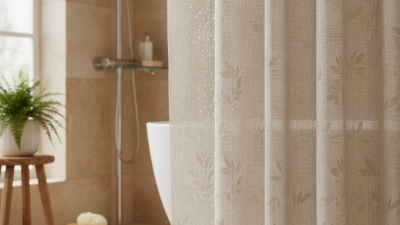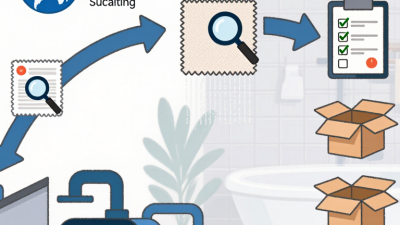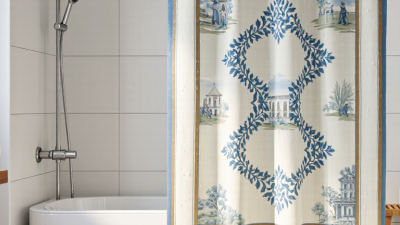
Choosing an eco-friendly shower curtain for a business is a practical decision, not just a branding exercise. In a hotel bathroom, gym changing area, or rental property, curtains face daily moisture, repeated cleaning, and frequent use. A thin fabric may look appealing on arrival, then cling to the tub or fray along its hem within months. That creates replacement costs and extra waste. Small details matter.
Start by comparing the material, care instructions, and expected service life. Recycled polyester can offer quick drying and easy maintenance, while some businesses may prefer washable cotton blends. Neither choice is automatically best. Check whether the product’s claims are specific and supported, rather than relying on a green label alone. Ask suppliers about material content, coatings, packaging, and available product documentation. A clear answer is useful. A vague one deserves a second look.
The right Shower Curtain Eco option should suit the room and the people maintaining it. Measure the shower opening, inspect the hooks and seams, and consider whether staff can wash the curtain using existing equipment. A curtain that needs special care may not stay practical during a busy week. It happens. Also consider guest comfort: a curtain that sticks to the skin or holds damp odors can undermine an otherwise clean bathroom. Sustainable purchasing involves trade-offs, and businesses may not find a perfect product. Compare realistic choices, test a sample in an actual room, and track how it performs over time. That evidence can guide a more reliable purchase.
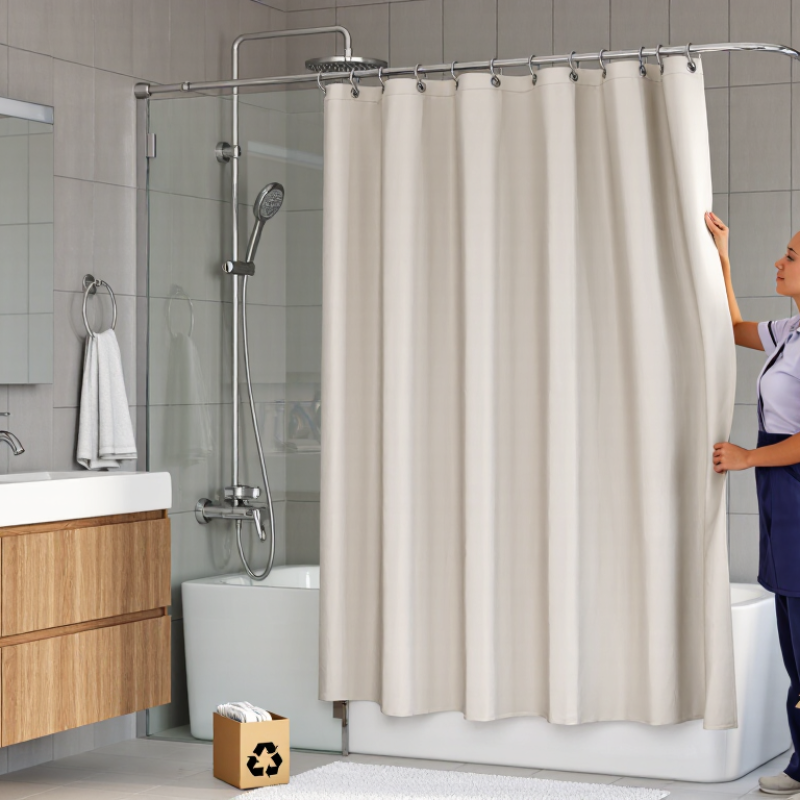
In commercial bathrooms, material selection affects waste, maintenance, and indoor comfort. Eco-friendly does not mean one material fits every business. Recycled polyester is durable, dries quickly, and often uses post-consumer plastic. It can also release synthetic fibers during washing. PVC-free is not perfect. Some alternatives may still contain additives that require careful evaluation.
Organic cotton and hemp offer a softer, natural appearance. They can suit spas, guesthouses, and wellness facilities. However, they usually absorb more moisture and need thorough drying. Damp fabric can develop odors when staff overlook ventilation. Look for responsibly sourced fibers, low-impact dyes, and credible third-party certifications. Check the certificate’s scope, not just its logo. A certified fiber does not automatically make the entire curtain sustainable.
I once treated easy cleaning as the most important purchasing factor. That decision ignored replacement frequency and washing energy. A curtain that lasts longer may create less waste, even if its production footprint is higher. Examine the stitching, reinforced eyelets, washable care instructions, and liner compatibility. Measure the whole system. A poorly fitted curtain can increase water splashing and cleaning work.
Ask suppliers for material composition, recycled content, chemical testing, and end-of-life guidance. Claims should be specific and documented. "Green" alone proves very little.
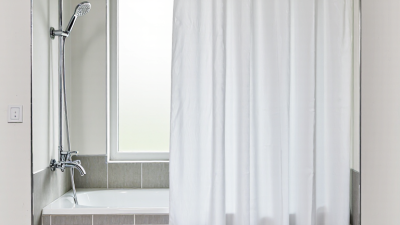
Before comparing materials, define what each curtain must withstand. A 40-room inn with daily turnover has different needs from a low-traffic office shower. Record shower widths, rod heights, splash zones, and replacement frequency. Measure twice. Decide whether staff will machine-wash curtains or wipe them in place, and check the care instructions against your actual cleaning routine. Strong disinfectants, hard water, and repeated laundering can shorten service life. That sounds obvious. It is often missed.
Set practical requirements for opacity, drying time, odor control, and repair or replacement. In wet, busy bathrooms, a curtain that stays damp may create more maintenance than its material savings justify. Textile Exchange’s 2024 Materials Market Report estimates that global fiber production reached 124 million tonnes in 2023, with polyester making up 57 percent. This scale makes material choice worth examining, but recycled content alone does not establish durability or lower impact. Ask suppliers for documented fiber content, recycled-content verification, care guidance, and product-life information. Compare expected replacements and laundry needs, not just purchase price. Keep the specification realistic; an eco claim is less useful if the curtain fails after a few months.
Example planning scores show how a business might prioritize key requirements: durability, cleaning needs, material preferences, size, and budget. Scores are illustrative, not industry research; adjust them to match your facilities and purchasing criteria.
Choosing an eco-friendly shower curtain for a business requires more than selecting a recycled fabric. Safety, durability, and environmental standards should guide the decision.
In my experience, commercial bathrooms need curtains that resist moisture, mildew, frequent handling, and repeated cleaning. A tightly woven polyester curtain may dry quickly and maintain its shape. However, recycled content alone does not prove safety. Request test documents for restricted substances, colorants, and finishing treatments. Independent certifications can provide stronger evidence than vague environmental claims. Check whether the certificate covers the exact material and production batch.
A durable curtain can reduce replacement waste, but durability depends on stitching, reinforced eyelets, and washable construction. I once focused too much on recycled content and overlooked weak seams. That was a practical mistake. Inspect the fabric closely. Consider water use, washing temperature, packaging, and end-of-life options. Environmental standards such as OEKO-TEX Standard 100 or the Global Recycled Standard may help, but certification details still require careful review.
Tips: Compare certificates, not slogans. Ask about chemical testing. Measure the curtain before ordering. Test one unit first. Record washing results after several cycles. If the material smells strongly or feels brittle, pause the purchase and investigate further.
How to Choose an Eco Friendly Shower Curtain for Your Business
Choosing an eco friendly shower curtain starts with examining the supplier, not the product photograph. Ask where the fabric is made, how it is dyed, and whether factory records support these claims. A reliable supplier should provide material specifications, test reports, and production samples. Request a sample before placing a large order. Check its stitching, odor, water resistance, and packaging. Small defects become expensive when hundreds of units arrive.
Compare the full cost, not only the quoted unit price. Include sampling, freight, customs, storage, packaging, and possible inspection fees. My first estimate was wrong because I ignored replacement costs. A cheaper curtain may also use weak grommets or shrink after washing. Ask about minimum order quantities and payment terms. Flexible quantities can protect cash flow for smaller businesses. Delivery reliability matters too.
Certifications can strengthen supplier evaluation, but they need careful checking. Request the certificate number, issuing organization, covered material, and expiration date. Some certificates apply only to the fabric, not the finished curtain. Look for evidence related to recycled content, chemical safety, or organic fibers. Verify documents through the issuing organization when possible. Do not accept a logo alone. It is not proof. Keep copies with purchase records and review them annually. The process may feel slow, yet unclear paperwork creates greater risk than a higher initial price.
Choosing an eco-friendly shower curtain for a business requires more than selecting a natural-looking fabric. Measure each shower area carefully, including the rod height and floor clearance. A curtain that drags on wet flooring collects dirt quickly. One that is too short can leave water around the shower entrance.
For busy facilities, choose durable materials with clear fiber information and verified environmental certifications. Recycled polyester can resist frequent washing, while hemp or organic cotton may offer a softer appearance. Check the grommets, stitching, and liner design before purchasing. These small details often determine how long the curtain remains useful. I once selected a lightweight curtain that looked excellent in a sample room. It failed in a high-use bathroom within weeks. Appearance was not enough.
Maintenance should be simple and consistent. Follow the care label, wash curtains regularly, and dry them fully before rehanging. Keep the bottom edge spread out instead of pressed against the wall. Inspect seams and hooks during routine cleaning. Replace damaged parts when possible, rather than discarding the entire curtain. This reduces waste, although repairs can take staff time. Keep a basic replacement schedule based on stains, odor, fabric wear, and cleaning performance. If a curtain still looks clean but holds moisture for hours, it may already need reconsideration. Practical testing matters more than attractive product descriptions.